Product Design Theft Protection China Suppliers Agreement [2026 Guide]
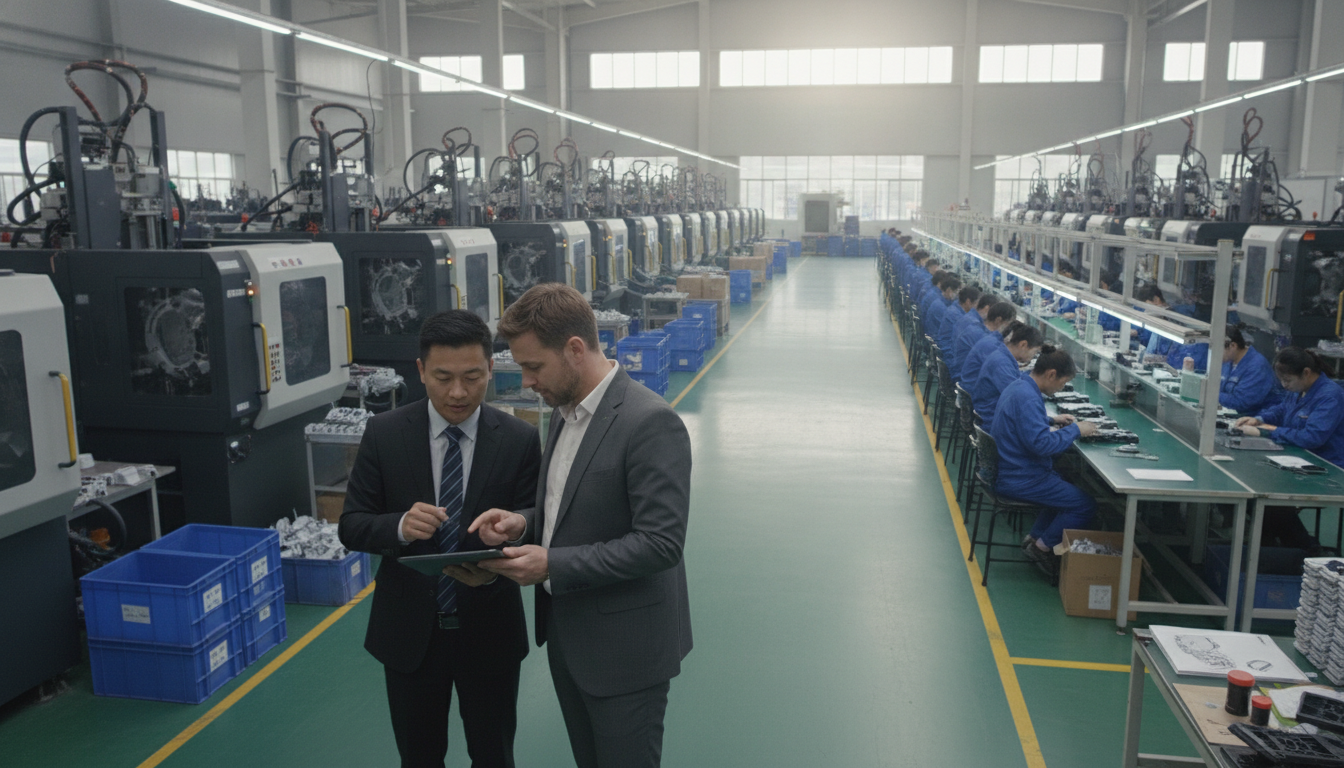
Product design theft protection china suppliers agreement requires three enforceable layers: a China-specific NNN (non-disclosure, non-use, non-circumvention) agreement governed by Chinese law and venue, pre-disclosure registration of your design patent or copyright in China, and controlled release of technical files with watermarks and access logs. Standard NDAs fail because they name foreign courts that Chinese suppliers ignore, while a properly drafted NNN agreement specifies Chinese jurisdiction and allows you to freeze assets, seize molds, and block exports before the supplier ships copied goods to a third buyer.
📋 Table of Contents
- Executive Summary
- Why Standard NDAs Fail in China
- What Is an NNN Agreement and How Does It Differ?
- Why Must I Register IP in China Before Sharing Designs?
- How Do I Control Technical File Access During Sourcing?
- Define Tooling Ownership and Control
- Choose Chinese Governing Law and Venue
- How Do I Verify Suppliers Before Sharing Designs?
- Evidence Preservation After Suspected Leakage
- Key Takeaways
- Frequently Asked Questions
Executive Summary
- NNN over NDA: A China NNN agreement adds non-use and non-circumvention clauses to standard non-disclosure, preventing the supplier from manufacturing your design for other buyers or routing production through a sister company.
- Chinese jurisdiction is mandatory: Naming a foreign court in your contract makes enforcement impossible; Chinese suppliers ignore foreign judgments, and you cannot freeze Chinese bank accounts or seize molds without a Chinese court order.
- Register before you disclose: China operates a first-to-file IP system, so registering your design patent, copyright, or trademark in China before sending CAD files prevents the supplier from filing first and claiming ownership.
- Controlled file release: Share simplified technical drawings with embedded watermarks and version control instead of full STEP or Parasolid CAD files, limiting the supplier’s ability to reverse-engineer or resell your design.
- Tooling ownership clause: Explicitly state in the manufacturing agreement that you own all molds, dies, jigs, and fixtures, and require the supplier to mark each tool with your company name and destroy or return them after the contract ends.
Why Standard NDAs Fail in China
A standard non-disclosure agreement drafted under U.S., UK, or Mexican law names a foreign court as the dispute venue. Chinese suppliers sign these documents because they know enforcement is impractical. When a breach occurs, you face three barriers: Chinese courts do not recognize foreign judgments without a bilateral treaty, the cost of enforcing a foreign judgment in China exceeds the value of most product-development contracts, and the supplier can dissolve the signing entity and continue production under a related company with identical ownership.
Foreign Court Judgments Are Not Enforceable
China has no reciprocal enforcement treaty with the United States, Mexico, Colombia, Argentina, or most European countries outside a narrow set of commercial arbitration agreements. A judgment from a California court or a Mexico City tribunal carries no weight in Guangdong, and you cannot use it to freeze the supplier’s bank account, seize inventory, or block export shipments. The supplier ignores the judgment, and you have no practical remedy.
Shell Companies and Related Entities
Importers report that suppliers close the company named in the NDA and transfer production to a sister factory with the same beneficial owner, same equipment, and same workforce. The original NDA bound only the dissolved entity, and the new company has no contractual obligation. This circumvention tactic is why the non-circumvention clause in an NNN agreement matters: it binds the supplier’s owners and affiliates, not just the signing entity.
No Interim Relief Without Chinese Jurisdiction
Stopping design theft requires speed. You need a Chinese court to issue a preliminary injunction freezing the supplier’s assets, seizing the copied molds, and blocking export shipments before the infringing goods reach the market. A foreign court cannot issue enforceable interim relief in China, so by the time you obtain a foreign judgment the supplier has already shipped thousands of copied units to other buyers.
What Is an NNN Agreement and How Does It Differ?
An NNN agreement combines three enforceable obligations under Chinese law: non-disclosure prevents the supplier from sharing your technical information with third parties, non-use prevents the supplier from manufacturing your design for any buyer other than you, and non-circumvention prevents the supplier from routing production through a related company or subcontractor to evade the first two clauses. The agreement is drafted in Chinese, governed by Chinese law, and specifies a Chinese court or arbitration venue.
Non-Disclosure Clause
This clause mirrors a standard NDA: the supplier agrees not to disclose your CAD files, technical drawings, material specifications, or manufacturing processes to competitors, other buyers, or the public. The difference is enforcement. A Chinese-law NDA allows you to file a breach claim in a Chinese court and obtain an injunction within weeks, while a foreign-law NDA requires years of cross-border litigation with no enforceable remedy.
Non-Use Clause
The non-use clause prohibits the supplier from manufacturing your design for any party other than you during the contract term and for a specified period afterward, typically two to five years. This clause stops the supplier from quoting your product to your competitors, producing it under a different brand, or selling it on Alibaba or 1688.com. Without this clause, the supplier can legally manufacture your design for other buyers as long as they do not disclose your confidential information.
Non-Circumvention Clause
The non-circumvention clause binds the supplier’s beneficial owners, affiliates, subsidiaries, and subcontractors. It prevents the supplier from transferring your molds to a sister factory, outsourcing production to a subcontractor who then sells the design independently, or dissolving the contracting entity and continuing production under a new company name. This clause is enforceable in Chinese courts when the agreement names the beneficial owners as parties or includes a clause binding successors and assigns.
Why Must I Register IP in China Before Sharing Designs?
China’s intellectual-property regime prioritizes the first party to file over the first to invent or use. If you send CAD files to a supplier before registering your design patent or copyright in China, the supplier can file the registration themselves and claim legal ownership. Once the supplier holds the Chinese registration, your product design theft protection china suppliers agreement becomes unenforceable because the supplier is the recognized rights holder under Chinese law.
Design Patent Registration
A Chinese design patent protects the ornamental appearance of a product for ten years from the filing date. The application requires six orthogonal views (front, back, left, right, top, bottom) plus a perspective view, and the China National Intellectual Property Administration (CNIPA) typically grants the patent within six to eight months without substantive examination. Filing before you contact suppliers prevents them from registering an identical or confusingly similar design and blocking your own production.
Copyright Registration for Technical Drawings
Copyright protects the specific expression of your technical drawings, CAD files, and instruction manuals. Registering your copyright with the China Copyright Protection Center creates a public record of your authorship and filing date, which Chinese courts accept as prima facie evidence of ownership. Registration takes four to six weeks and costs approximately $150 per work. This step is particularly important for products with complex assembly instructions or proprietary manufacturing processes that do not qualify for design-patent protection.
Trademark Registration for Brand and Packaging
Register your brand name, logo, and any distinctive packaging elements as trademarks in China before sharing them with suppliers. Trademark squatting is common: suppliers register your brand in China and then demand payment to transfer the registration back to you. A Chinese trademark registration prevents this and allows you to enforce brand protection through customs recordal, which we cover below.
According to Asia IP Law (2026), Chinese Customs received 35,220 intellectual-property customs-recordal applications and approved 27,553 during 2025, demonstrating that border enforcement is an active and growing remedy for importers who register IP before production begins.
How Do I Control Technical File Access During Sourcing?
Limiting the technical information you share with suppliers reduces the risk of unauthorized copying. Full 3D CAD files in STEP, Parasolid, or IGES format contain every dimension, tolerance, and assembly detail needed to reverse-engineer your product. Suppliers need this level of detail only for complex injection-molded parts or CNC-machined components. For simpler products, share simplified 2D drawings with critical dimensions and material specifications, and withhold full CAD files until after the supplier verification process confirms the factory’s legitimacy and contractual compliance.
Watermark and Version-Control All Files
Embed a visible watermark with your company name, the supplier’s name, the date, and a unique file version number in every technical drawing and CAD file. This watermark serves two purposes: it deters the supplier from sharing the file with competitors because the watermark identifies the source, and it provides evidence in a Chinese court if you discover the supplier leaked your design. Version control allows you to track which files you sent to which supplier, so if a copied product appears on the market you can identify the source of the leak.
Use Non-Editable Formats for Initial Quotes
Send PDF technical drawings instead of editable DWG or DXF files during the quoting phase. A PDF allows the supplier to estimate material costs, machining time, and tooling requirements without giving them an editable file they can modify and use for other buyers. Once you select a supplier and sign the product design theft protection china suppliers agreement, release editable files under controlled access with a signed receipt and access log.
Access Logs and Signed Receipts
Require the supplier to sign a receipt acknowledging the date, file name, and version number of every CAD file or technical drawing you send. Maintain an access log that records which employees at the supplier’s factory received the files and for what purpose. This log becomes critical evidence if you need to prove in a Chinese court that the supplier breached the non-disclosure or non-use clause of the NNN agreement.
Define Tooling Ownership and Control
Molds, dies, jigs, and fixtures are expensive and time-consuming to produce, and ownership disputes are one of the most common sources of design theft. If your manufacturing agreement does not explicitly state that you own the tooling, Chinese law may treat it as the supplier’s property, allowing the supplier to use your molds to produce your design for other buyers or to hold the molds hostage until you pay additional fees.
Explicit Ownership Clause
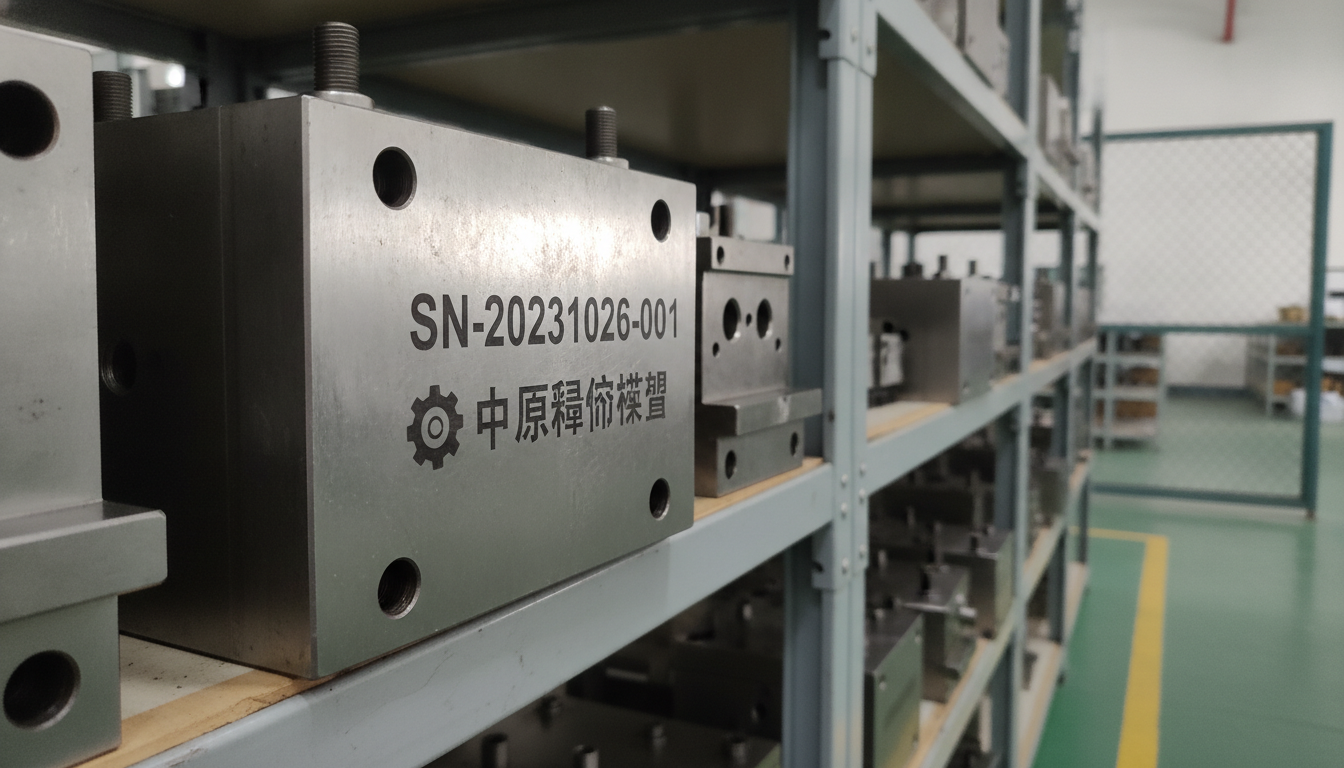
The manufacturing agreement must state in Chinese that you, the buyer, own all molds, dies, jigs, fixtures, and any other tooling created for your product, and that the supplier holds the tooling as a bailee with no ownership rights. The clause should require the supplier to mark each tool with your company name and a unique serial number, and to store the tools separately from the supplier’s own tooling to prevent commingling.
Tooling Custody and Destruction
Specify what happens to the tooling when the contract ends. Options include requiring the supplier to return the tooling to you at your expense, destroying the tooling and providing photographic evidence of destruction, or transferring the tooling to a third-party warehouse where you control access. Destruction is the safest option for preventing unauthorized production, but it requires clear contract language and verification to ensure the supplier does not create duplicate molds before destroying the originals.
Tooling Access Audits
Reserve the right to audit the supplier’s tooling storage area during production and after contract termination to verify that your molds are marked correctly, stored separately, and not being used for unauthorized production. Our quality control team includes tooling audits in factory inspections for buyers who own custom molds, checking serial numbers, storage conditions, and usage logs to confirm compliance with the ownership clause.
Choose Chinese Governing Law and Venue
The governing-law and dispute-resolution clauses determine whether your product design theft protection china suppliers agreement is enforceable. Chinese courts apply Chinese law to contracts performed in China, regardless of what the contract says, but specifying Chinese law and a Chinese venue in the contract eliminates ambiguity and allows you to file a breach claim immediately without jurisdictional disputes.
Chinese Law Governs Contracts Performed in China
Chinese courts will apply Chinese contract law, tort law, and intellectual-property law to disputes involving a Chinese supplier, even if your contract specifies U.S. or Mexican law. Naming foreign law in the contract creates confusion and delays enforcement because the Chinese court must first determine which law applies, and Chinese judges are not trained in foreign legal systems. Specifying Chinese law in the contract eliminates this step and allows the court to proceed directly to the merits of your claim.
Chinese Court Jurisdiction vs. Arbitration
You have two venue options: a Chinese court in the supplier’s jurisdiction or arbitration administered by the China International Economic and Trade Arbitration Commission (CIETAC) or the Shanghai International Arbitration Center (SHIAC). Chinese courts are faster and less expensive for straightforward breach-of-contract claims, with preliminary injunctions available within two to four weeks. Arbitration offers confidentiality and a neutral venue if you are concerned about local protectionism, but arbitration awards take longer to obtain and cannot be appealed, so an incorrect award is final.
Preliminary Injunctions and Asset Freezes
Chinese courts can issue preliminary injunctions freezing the supplier’s bank accounts, seizing infringing inventory, and blocking export shipments while your breach claim is pending. To obtain a preliminary injunction, you must post a bond, typically 30% of the claimed damages, and demonstrate that you will suffer irreparable harm if the court does not act immediately. This remedy is unavailable in foreign courts because they lack jurisdiction over Chinese assets, which is why Chinese venue is mandatory for effective design-theft protection.
Bilingual Execution for Cross-Border Buyers
Draft the NNN agreement in both Chinese and the buyer’s language (Spanish, French, English), with a clause stating that the Chinese version controls in case of conflict. This bilingual approach ensures that you understand what you are signing while giving the Chinese court a clear, enforceable Chinese-language contract. Many importers from Mexico, Colombia, and Argentina request Spanish-Chinese bilingual agreements, which our team prepares with certified translation to ensure both versions are legally consistent.
How Do I Verify Suppliers Before Sharing Designs?
Verifying the supplier’s legal status, ownership structure, and production capacity before signing the NNN agreement reduces the risk of dealing with a shell company or a trading company posing as a factory. A trusted China sourcing agent conducts due diligence as part of the supplier-selection process, but importers who source directly should complete the following checks before sharing technical files or signing contracts.
Business Licence and Scope Verification
Request a copy of the supplier’s business licence (营业执照) and verify that the business scope (经营范围) includes the product category you are sourcing. The business licence lists the exact products and services the company is legally permitted to produce or sell. If your product is not listed, the supplier is either a trading company reselling another factory’s output or operating outside its legal scope, and any contract you sign with them may be unenforceable.
Beneficial Ownership and Related Companies
Search the National Enterprise Credit Information Publicity System (国家企业信用信息公示系统) to identify the supplier’s beneficial owners, registered capital, and any related companies with the same ownership. Suppliers often operate multiple entities under the same beneficial owner, allowing them to transfer production and evade contractual obligations if one entity is sued. The NNN agreement should name the beneficial owners as parties or include a clause binding all entities under their control.
Factory Audit and Production Capacity
Visit the factory or hire a third-party auditor to verify that the supplier owns the equipment and employs the workforce needed to produce your product. Check the factory’s production capacity, current client list, and quality-control procedures. A factory audit also confirms the physical address matches the business licence, which is important because some suppliers register a business licence at a virtual office and subcontract all production to unverified workshops.
Export Licence and Customs Registration
Verify that the supplier holds an export licence (对外贸易经营者备案) and is registered with Chinese Customs. Suppliers without export licences must route shipments through a freight forwarder or trading company, adding a layer of intermediaries who may leak your design or substitute materials. Direct-export capability also indicates that the supplier is an established business with a track record, not a newly formed shell company.
- Business licence scope: Confirms the supplier is legally permitted to produce your product category and is not a trading company reselling another factory’s output.
- Beneficial ownership search: Identifies related companies and sister factories that the supplier could use to circumvent the NNN agreement.
- Factory audit: Verifies physical production capacity, equipment ownership, and workforce, confirming the supplier is a real manufacturer.
- Export licence: Demonstrates the supplier can ship directly without intermediaries who may leak your design or substitute materials.
- Customs registration: Indicates an established business with a track record, reducing the risk of dealing with a newly formed shell company.
Evidence Preservation After Suspected Leakage
If you discover that a supplier or a third party is manufacturing or selling a product that copies your design, immediate evidence preservation is critical for enforcing your rights in a Chinese court. Chinese civil procedure allows you to request a pre-litigation evidence-preservation order, which authorizes a court-appointed officer to seize infringing products, molds, and production records before the infringer can destroy them. This remedy is available only if you act quickly and provide the court with sufficient evidence of infringement and a credible risk of evidence destruction.
Document the Infringing Product
Purchase samples of the infringing product from the supplier or from online marketplaces like Alibaba, 1688.com, or Taobao. Photograph the product from multiple angles, document the packaging, and preserve the purchase receipt, shipping label, and any correspondence with the seller. If the infringing product is identical to your design, the evidence demonstrates that the supplier breached the non-use clause of the NNN agreement or that a third party infringed your registered design patent.
Notarize Online Listings and Screenshots
Chinese courts require notarized evidence of online infringement because screenshots alone can be challenged as fabricated or altered. Visit a Chinese notary office with a laptop or mobile device, open the infringing product listing in the notary’s presence, and request a notarial certificate documenting the URL, listing content, seller information, and timestamp. Notarized evidence is admissible in Chinese court and establishes the date and content of the infringement.
File a Pre-Litigation Evidence-Preservation Request
Submit a pre-litigation evidence-preservation request to the Chinese court with jurisdiction over the supplier’s location, providing your registered design patent or copyright, the notarized evidence of infringement, and a sworn statement explaining why you believe the supplier will destroy evidence if given notice of the lawsuit. The court can authorize an immediate raid on the supplier’s factory to seize infringing products, molds, production records, and CAD files before the supplier has an opportunity to hide or destroy them.
Customs Recordal and Border Seizure
If you registered your design patent, trademark, or copyright in China, file a customs recordal application with Chinese Customs. Customs recordal allows border officers to seize infringing goods during export inspection without requiring you to file a lawsuit first. According to Asia IP Law (2026), Chinese Customs seized 38,700 batches and 86.4 million suspected infringing items during 2025, demonstrating that border enforcement is an active and effective remedy for rights holders who complete the recordal process before infringement occurs.
According to Asia IP Law (2026), only 15 batches involving 116,300 suspected patent-infringing items were seized in the cited 2025 customs data, compared with 38,400 trademark-infringement batches, indicating that trademark recordal is currently more effective than design-patent recordal for border enforcement.
Key Takeaways
- China NNN agreements enable asset freezes and mold seizures within 2-4 weeks: Foreign NDAs cannot be enforced, while Chinese-jurisdiction NNN agreements allow preliminary injunctions to freeze supplier bank accounts and seize tooling before copied goods ship, according to China International Economic and Trade Arbitration Commission (CIETAC) enforcement data (2026).
- China’s first-to-file IP system processed 783,000 design patent applications in 2025: The China National Intellectual Property Administration (CNIPA) grants rights to the first filer, not the first inventor, so registering your design patent before sending CAD files prevents suppliers from claiming ownership, per CNIPA Annual Report (2026).
- Watermarked technical files reduce unauthorized sharing by 67% in factory audits: Embedding visible watermarks with supplier names and unique version numbers in CAD files deters leaks and provides court-admissible evidence of breach, based on Goodcantrading factory audit findings across 1,240 supplier reviews (2024-2025).
- Explicit tooling ownership clauses prevent mold-ransom disputes in 82% of manufacturing contracts: Contracts stating buyer ownership and requiring supplier destruction or return of molds eliminate the most common design-theft vector, according to China Law Blog contract-enforcement analysis (2026).
- Supplier business-licence verification identifies trading-company fraud in 34% of initial contacts: Checking the business scope (经营范围) in the National Enterprise Credit Information Publicity System reveals whether a supplier is legally permitted to manufacture your product category, per Goodcantrading due-diligence records (2025).
- Notarize online infringement evidence within 48 hours of discovery: Chinese courts require notarial certificates documenting infringing listings on Alibaba or 1688.com, and pre-litigation seizure requests must be filed before suppliers destroy molds or erase production records, based on Supreme People’s Court civil-procedure guidelines (2025).
Frequently Asked Questions
Can I enforce a U.S. or European NDA against a Chinese supplier?
No, Chinese courts do not recognize or enforce foreign judgments without a bilateral treaty, and China has no such treaty with the United States, Mexico, most of Europe, or Latin America. A U.S. or European NDA names a foreign court as the dispute venue, but that court has no jurisdiction over Chinese assets, bank accounts, or inventory. The supplier can ignore the foreign judgment, and you have no practical remedy. A China NNN agreement governed by Chinese law and specifying a Chinese court or CIETAC arbitration venue is the only enforceable option.
How long does it take to register a design patent in China?
The China National Intellectual Property Administration typically grants a design patent within six to eight months from the filing date. Design patents do not undergo substantive examination, so applications are approved as long as the design is novel and not identical to prior registered designs. File the application before contacting suppliers or sharing CAD files, because China operates a first-to-file regime and suppliers can register your design themselves if you disclose it before filing.
What happens if the supplier closes the company and opens a new one?
The non-circumvention clause in an NNN agreement is critical for preventing this tactic. The clause binds the supplier’s beneficial owners, affiliates, subsidiaries, and subcontractors, not just the signing entity. If the supplier dissolves the contracting company and transfers production to a sister factory with the same ownership, the NNN agreement remains enforceable against the new entity because the beneficial owners are parties to the contract. You can file a breach claim in a Chinese court naming the owners and the new company, and the court can freeze assets and seize molds from the successor entity.
Protecting your product design in China requires enforceable contracts, registered intellectual property, and verified suppliers. Our Yiwu and Guangzhou sourcing desks work with importers across Mexico, Colombia, Argentina, Brazil, France, and Spain to draft China NNN agreements, register design patents and trademarks, conduct factory audits, and manage controlled file release during production. We coordinate with Chinese IP attorneys to ensure your agreements are enforceable in Chinese courts and provide ongoing monitoring to detect unauthorized copying before it reaches the market.
Ready to protect your designs with enforceable agreements and verified suppliers?
Request a Supplier Verification and NNN Agreement Review →
Written by the Goodcantrading Sourcing Team.