Chinese New Year 2028 Freight Booking Strategy [Complete Guide]
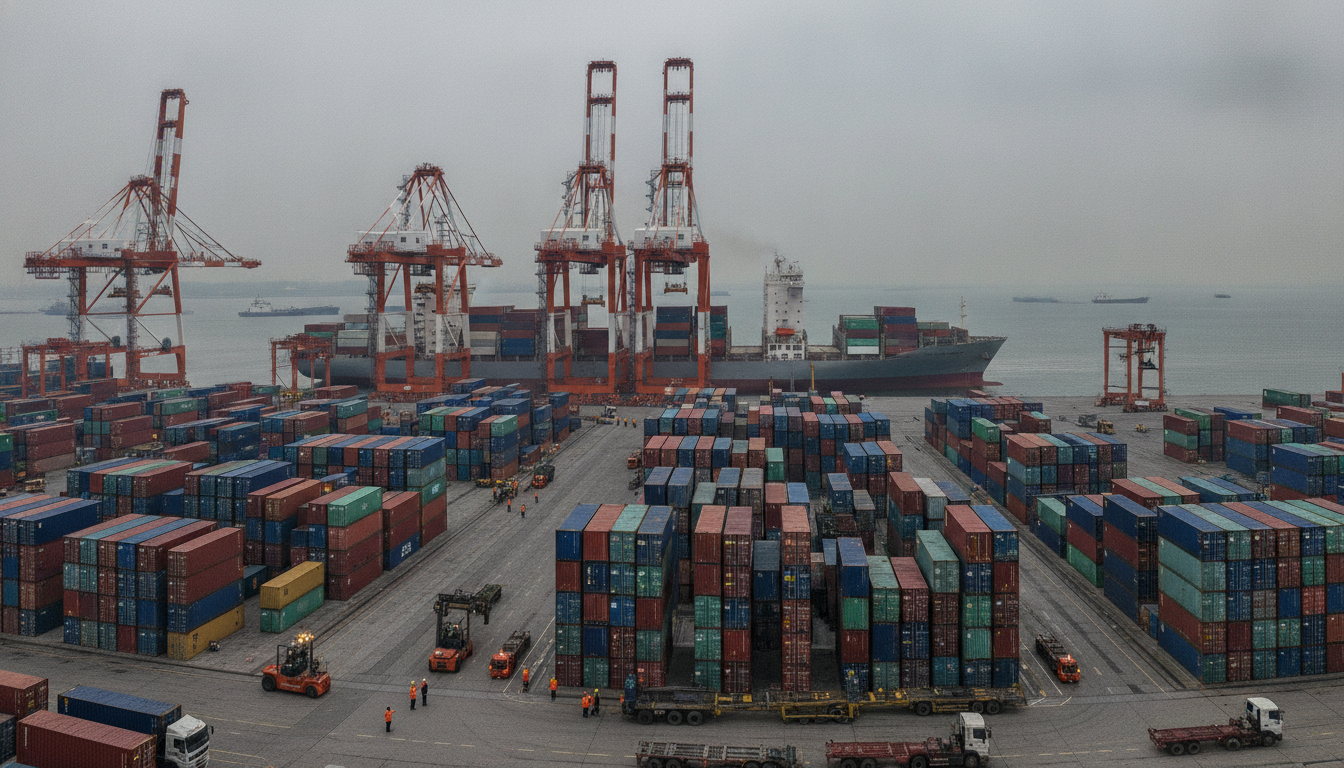
A successful Chinese New Year 2028 freight booking strategy requires booking ocean freight by December 15, 2027, air freight by January 5, 2028, and confirming every supplier’s final production date, cargo-ready date, and factory restart date in writing before any deposit moves. Chinese New Year 2028 falls on January 29, creating a six-to-eight-week disruption window when factories, trucking, warehouses, customs brokers, and forwarders operate with minimal staff or close entirely.
📋 Table of Contents
Executive Summary
- Holiday date: Chinese New Year 2028 falls on January 29, with factory closures beginning as early as January 20 and extending through February 10 in many regions.
- Ocean booking window: Book FCL and LCL consolidation four to five weeks before vessel departure to secure allocation during the pre-holiday cargo rush.
- Air freight cutoff: Reserve air capacity by early January 2028 for time-sensitive or high-value shipments, as rates climb and space tightens in the final two weeks before the holiday.
- Supplier verification: Confirm each supplier’s final production date, cargo-ready date, and factory restart date in writing, as verbal promises often shift without notice.
- Disruption duration: The effective disruption period spans six to eight weeks because factory closures, reduced logistics staffing, backlog, and recovery extend beyond the official holiday.
When Does Chinese New Year 2028 Affect Freight?
Chinese New Year 2028 falls on January 29, but the freight impact begins in early January and continues through mid-March. Factories in Guangdong, Zhejiang, and Fujian provinces typically close between January 20 and January 25, while smaller workshops and family-run suppliers may shut down even earlier to allow migrant workers time to travel home. Trucking companies, consolidation warehouses, and customs brokers reduce staff or suspend operations entirely during the official holiday week, creating bottlenecks that ripple forward and backward.
Pre-Holiday Cargo Rush
The two weeks before factory closures see the highest freight volumes of the year. Exporters and importers race to move inventory before the shutdown, driving ocean container allocation tighter and air freight rates higher. Buyers who wait until mid-January to book often face rollovers, where their cargo is bumped from the scheduled vessel and delayed by one or two sailings. Building your Chinese New Year 2028 freight booking strategy around early December commitments eliminates this rollover risk.
Holiday Week Operations
From January 29 through February 5, 2028, most factories, forwarders, trucking companies, warehouses, and customs brokers operate with minimal teams or close entirely. Shipments already in transit continue moving, but new bookings, cargo pickups, and customs clearances stall. Port operations in Shanghai, Ningbo, and Shenzhen run at reduced capacity, and vessel schedules may shift without advance notice.
Post-Holiday Recovery Period
Production facilities resume operations between February 6 and February 20, yet full capacity may not return until late February or early March. Workers trickle back over several days, and many suppliers prioritize clearing backlog orders before accepting new production. Guangdong electronics factories typically reach 60% capacity by February 10, 80% by February 15, and full capacity by February 20 according to Flexport (2024). According to SendFromChina (2026), factories in the cited 2027 planning example were expected to restart after February 20, illustrating that commercial recovery may continue well after the official holiday period. Blank sailings, where carriers cancel scheduled voyages to rebalance capacity, further constrain space allocation through mid-March.
Ocean Freight Booking Deadlines
Ocean freight is commonly recommended to be booked four to five weeks before departure during the pre-holiday rush, according to SendFromChina (2026). For Chinese New Year 2028, that translates to booking FCL containers and LCL consolidation slots no later than December 15, 2027, for shipments departing in mid-to-late January. Buyers who miss this window face tighter allocation, higher rates, and increased rollover risk.
FCL Container Allocation
Full container load bookings require confirmed space with the carrier and a guaranteed equipment release from the depot. During the pre-holiday surge, carriers prioritize long-term contract customers and high-volume shippers, leaving ad-hoc buyers competing for remaining slots. Our freight and shipping team coordinates with multiple carriers to secure backup allocations when primary routing faces delays.
LCL Consolidation Cutoffs
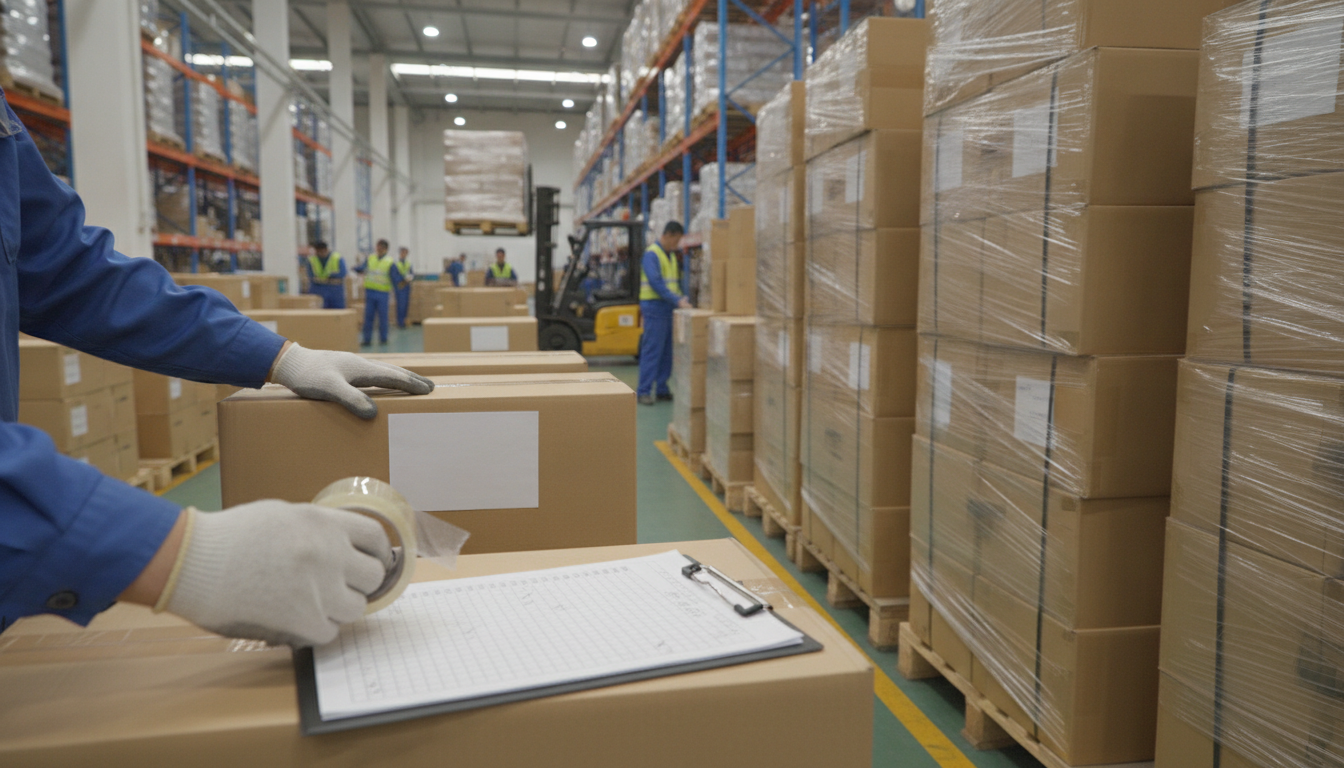
Less-than-container-load shipments depend on consolidation warehouses filling shared containers. These warehouses impose earlier cutoff dates during the holiday period to allow time for sorting, palletizing, and customs documentation. A typical LCL cutoff for a late-January sailing falls around January 10, meaning cargo must arrive at the consolidation warehouse by that date, not merely be ready at the supplier’s factory.
Vessel Cutoff Versus Cargo-Ready Date
Carriers impose a final port acceptance deadline, typically two to three days before departure. Meanwhile, your supplier confirms the shipment is packed, labeled, and available for pickup on a separate timeline. Buyers often confuse the two, assuming that if the vessel sails January 25, cargo can leave the factory January 23. In reality, cargo must be factory-ready by January 18 to allow time for inland trucking, warehouse handling, customs clearance, and port drayage.
Air Freight Versus Sea Freight Decision
Choosing between air freight and sea freight for your Chinese New Year 2028 freight booking strategy depends on product value, margin, destination delivery deadline, and the cost difference between modes. Air freight rates typically climb by 30 to 50 percent in the two weeks before the holiday, while ocean rates remain more stable but offer no flexibility if a vessel is fully booked or canceled.
When Air Freight Makes Sense
Air freight is the right choice when the product’s landed value per kilogram exceeds the air freight premium, when the buyer has a hard deadline that ocean transit cannot meet, or when inventory stockouts would cost more than the higher freight rate. Electronics, fashion samples, replacement parts, and Amazon FBA restocks with tight delivery windows are common air freight candidates during the holiday period.
When Ocean Freight Remains Viable
Ocean freight works for bulk orders, low-margin products, and shipments where the buyer can absorb a two-to-three-week buffer beyond the standard transit time. Furniture, home goods, and general consumer products with stable demand and no seasonal deadline pressure are better suited to ocean routing, even if the vessel departs after the holiday and arrives in late February or early March.
Air-Sea Split Strategy
Splitting a single order across air and sea modes allows buyers to balance cost and speed. High-priority SKUs or fast-moving inventory ship by air to meet immediate demand, while the bulk of the order moves by ocean to minimize total freight cost. A typical split allocates 60% of order volume by ocean and 40% of high-priority SKUs by air, allowing buyers to meet restocking deadlines without paying premium rates on the entire shipment. Our warehouse and consolidation service coordinates split shipments, ensuring both portions clear customs and arrive at the final destination without duplication or missing cartons.
Supplier Coordination Checklist
Effective Chinese New Year 2028 freight booking strategy execution depends on obtaining precise, written commitments from every supplier in your order pipeline. Verbal promises shift without notice, and assumptions about production timelines or factory restart dates lead to missed vessel cutoffs and costly air freight upgrades.
Final Production Date
The final production date is the last day the factory will complete manufacturing before shutting down for the holiday. Finished goods still require packing, labeling, palletizing, and quality inspection after production wraps. Request the final production date in writing, and confirm that it allows at least three days for post-production tasks before the cargo-ready deadline.
Cargo-Ready Date
Suppliers must confirm when the shipment is packed, labeled, and available for pickup at the factory or at a designated consolidation warehouse. This date must align with your forwarder’s pickup schedule and the LCL consolidation cutoff or vessel cutoff. A trusted China sourcing agent verifies cargo-ready status with on-site inspection before authorizing the forwarder to collect the shipment.
Factory Closure and Restart Dates
Factory closure dates vary by region, ownership structure, and workforce composition. State-owned enterprises and large manufacturers in Guangdong often close January 25 and restart February 8, while smaller family-run workshops in Zhejiang may close January 20 and remain shut until February 15. Obtain both the closure date and the confirmed restart date in writing, and ask when the factory expects to return to full production capacity, not merely when the doors reopen.
Pre-Shipment Inspection Timing
Pre-shipment inspection must occur after production is complete but before the factory closes for the holiday. Scheduling inspection for January 15 when the factory plans to shut down January 18 leaves no time to address defects or missing quantities. Our quality control team schedules inspections at least five days before the factory closure date to allow time for corrective action if issues are found.
In practice: A supplier’s business licence lists the exact production scope it is allowed to quote on, which is what separates a real factory from a trading company posing as the factory before any deposit moves, and why verifying that scope against the product being ordered catches misrepresentation before the holiday disruption begins.
- Final production date: Confirm in writing, allowing three days post-production for packing and inspection.
- Cargo-ready date: Align with forwarder pickup schedule and consolidation cutoff, verified by on-site check.
- Factory closure date: Obtain specific date, not a range, and confirm whether partial operations continue.
- Factory restart date: Ask when full production capacity returns, not merely when the facility reopens.
- Pre-shipment inspection: Schedule at least five days before closure to allow time for corrective action.
Post-Holiday Capacity and Blank Sailings
The weeks immediately following Chinese New Year see reduced vessel capacity as carriers implement blank sailings to rebalance supply and demand. Blank sailings are scheduled voyage cancellations where the carrier skips a port call or an entire sailing to avoid operating half-empty ships during the post-holiday lull. According to Shipping Gazette (2026), Asian container congestion could take up to 10 months to clear, increasing the risk of tighter space allocation and higher rates during the pre-Chinese New Year cargo rush.
Blank Sailing Impact on Booking
Blank sailings reduce the number of available vessels on a given trade lane, compressing remaining capacity and forcing buyers to compete for fewer slots. A route that normally offers weekly sailings may drop to biweekly or even monthly service in early February, pushing shipments originally scheduled for February 5 back to February 15 or later. Buyers who planned to ship after the holiday to avoid the pre-holiday rush often find themselves caught in a capacity squeeze with fewer options and higher rates.
Rollover Risk
Rollover occurs when a carrier bumps confirmed cargo from the scheduled vessel to a later sailing due to overbooking or equipment shortages. Rollover risk peaks in the two weeks before Chinese New Year and again in the two weeks after, when returning cargo volumes exceed available capacity. Buyers without long-term contracts or high-volume commitments face the highest rollover probability, as carriers prioritize contract customers when allocating scarce space.
Contingency Routing
Contingency routing involves booking backup options on alternative trade lanes, transshipment hubs, or secondary carriers to mitigate rollover and blank sailing risk. A shipment originally routed Shanghai to Los Angeles via direct service might have a backup routing through Busan or Hong Kong, adding three to five days of transit time but ensuring the cargo moves even if the primary vessel is canceled or fully booked. Our Yiwu and Guangzhou sourcing desks coordinate multi-carrier allocations to maintain routing flexibility during peak disruption periods. Integrating contingency routes into your CNY 2028 freight strategy reduces the probability of missed delivery windows.
Key Takeaways
- Book ocean freight by December 15, 2027: Securing FCL and LCL allocation four to five weeks before departure avoids the pre-holiday capacity crunch and rollover risk.
- Confirm supplier dates in writing: Obtain final production date, cargo-ready date, factory closure date, and restart date as written commitments, not verbal estimates.
- Pre-shipment inspection at least five days before factory closure: Allows time for corrective action if defects or shortages are found, according to QIMA (2023) which reports a 12% increase in failed inspections during pre-holiday production.
- Use air freight selectively: Reserve air capacity for high-value, time-sensitive, or low-weight shipments where the freight premium is justified by margin or deadline pressure.
- Post-holiday blank sailings reduce vessel frequency by 30-50% in early February: Tightening allocation and forcing buyers to compete for fewer slots, according to Drewry Maritime Research (2024).
- On-site inspection by sourcing agent confirms cargo is packed and labeled before forwarder pickup: Physical verification prevents discrepancies that delay loading and risk rollover to a later sailing.
Frequently Asked Questions
When should I book freight before Chinese New Year 2028?
Book ocean freight by December 15, 2027, to secure container allocation four to five weeks before departure. Air freight should be reserved by January 5, 2028, as rates climb and space tightens in the final two weeks before the holiday. Waiting until mid-January increases rollover risk and forces buyers to accept higher rates or later sailing dates.
How long do Chinese New Year shipping delays last?
The effective disruption period spans six to eight weeks, beginning in early January when factories start closing and extending through mid-March when post-holiday blank sailings and backlog recovery constrain capacity. Production facilities resume operations between February 6 and February 20, yet many suppliers prioritize clearing backlog orders before accepting new work.
What is the difference between cargo-ready date and vessel cutoff?
Cargo-ready date is when your supplier confirms the shipment is packed, labeled, and available for pickup at the factory or consolidation warehouse. Vessel cutoff is the carrier’s final port acceptance deadline, occurring two to three days before departure. Cargo must be factory-ready at least five to seven days before vessel cutoff to allow for inland transport, warehouse handling, customs clearance, and port drayage.
Secure your freight allocation and avoid Chinese New Year 2028 delays with verified supplier coordination and multi-carrier routing.
Request Your Freight Plan →
Written by the Goodcantrading Sourcing Team.