How to Source Linen Bedding from China Suppliers [2026]
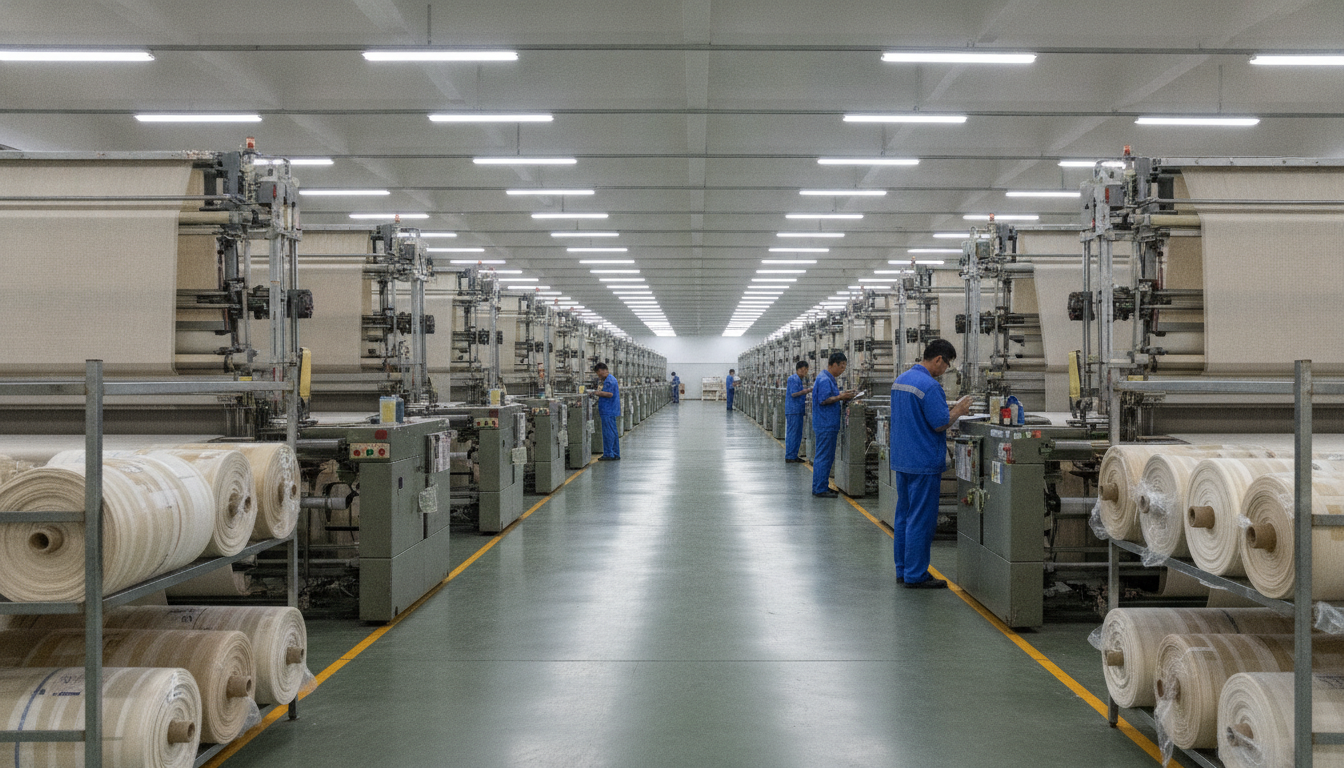
To source linen bedding from China suppliers, start by verifying the factory’s business licence scope covers textile production, request lab-tested proof of 100% flax composition, and demand pre-production samples that match your GSM and weave specifications before any deposit moves.
📋 Table of Contents
- Executive Summary
- How Do You Verify Genuine 100% Linen Composition?
- What Certifications and Standards Matter for Linen Bedding?
- How to Evaluate and Screen Chinese Linen Suppliers
- Sample Evaluation: What to Check Before Bulk Orders
- MOQ, Pricing, and Production Lead Times
- Quality Control and Pre-Shipment Inspection
- Key Takeaways
- Frequently Asked Questions
Executive Summary
- Composition verification: Third-party lab reports confirming 100% flax fiber content separate genuine linen from linen-cotton blends commonly mislabeled as pure linen.
- Factory versus trading company: Checking the supplier’s business licence scope confirms textile manufacturing authority, which distinguishes real mills from resellers.
- Sample testing: Pre-production samples reveal GSM weight accuracy, weave density, shrinkage tolerance, and colorfastness before bulk production begins.
- MOQ and lead times: Expect minimum order quantities starting at 300 units per design, depending on customization level and factory capacity.
- Pre-shipment inspection: Independent third-party inspection catches dimensional drift, stitching defects, and packaging errors before goods leave the factory.
How Do You Verify Genuine 100% Linen Composition?
Genuine linen bedding is woven from flax fibers, but many Chinese suppliers offer linen-cotton blends or viscose-linen mixes labeled as pure linen. Verifying composition before placing an order protects you from costly chargebacks and customer complaints. Understanding how to source linen bedding from China suppliers begins with confirming fiber content through laboratory testing and physical inspection methods.
Request Third-Party Fiber Composition Reports
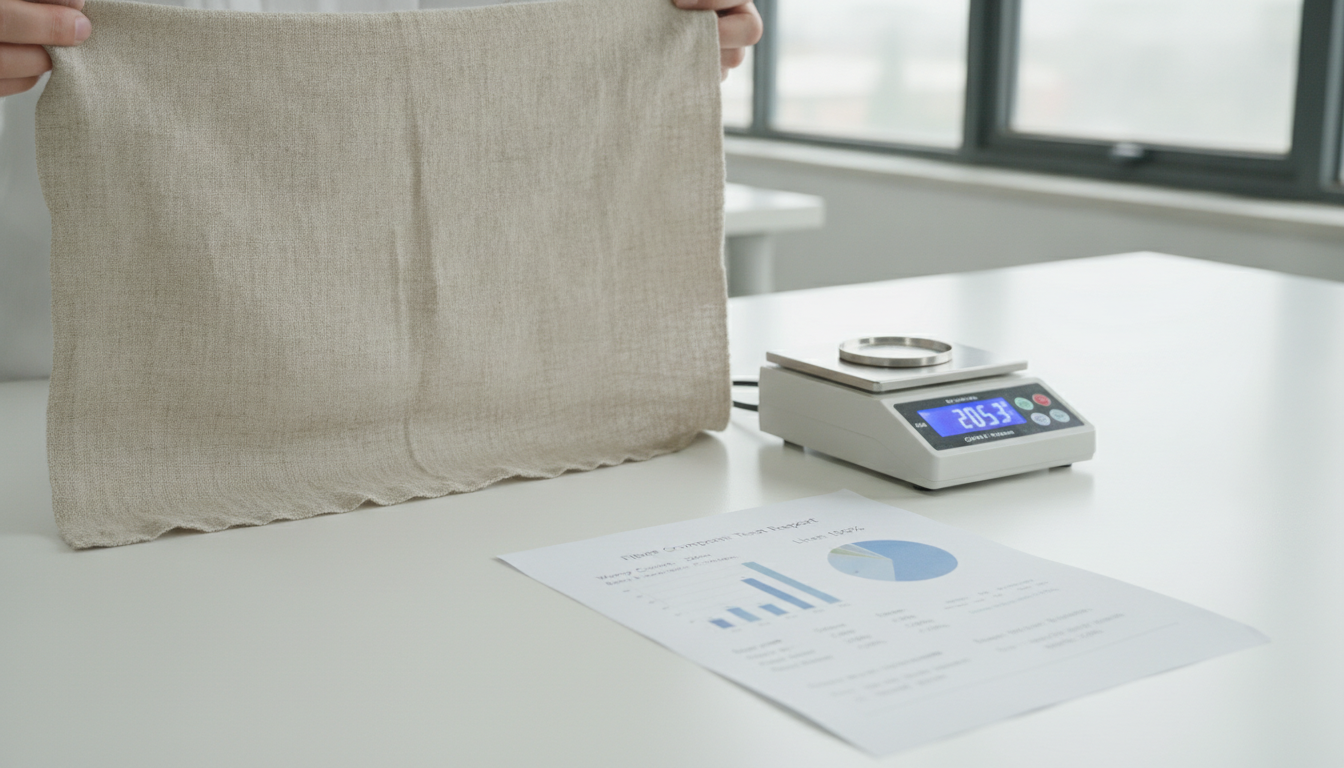
Ask the supplier for a recent fiber-composition test report from an accredited lab such as SGS, Intertek, or Bureau Veritas. Authentic reports state 100% flax fiber with no cotton, polyester, or viscose detected. Reports older than 12 months or issued by the factory’s internal lab carry higher fraud risk.
Burn Test and Physical Inspection
When you receive samples, perform a simple burn test: genuine linen burns slowly, smells like burning paper, and leaves fine gray ash. Cotton burns faster with a similar smell, while polyester melts and produces black smoke. Linen fabric also feels crisp and cool to the touch, with natural slubs and texture variations that synthetic blends lack.
Check Flax Origin Documentation
European flax, particularly from France and Belgium, is considered the highest quality. Some Chinese mills import European flax and weave it domestically. Request documentation showing the flax origin, import records, or CELC (European Flax) certification if the supplier claims European-sourced fiber.
What Certifications and Standards Matter for Linen Bedding?
Certifications verify that the fabric meets safety, environmental, and quality benchmarks. Buyers importing into Europe and Latin America should prioritize certifications that align with destination-market regulations.
OEKO-TEX Standard 100
OEKO-TEX Standard 100 tests finished textiles for harmful substances, including formaldehyde, heavy metals, and banned azo dyes. This certification is widely recognized in Europe and increasingly required by retailers in Mexico, Colombia, and Argentina. Verify the certificate number on the OEKO-TEX public database to confirm authenticity.
GOTS (Global Organic Textile Standard)
GOTS certification applies to organic linen made from organically grown flax. It covers the entire supply chain, from fiber production through weaving, dyeing, and finishing. GOTS-certified linen commands a premium price but appeals to eco-conscious buyers and specialty retailers.
ISO 5077 Dimensional Change Testing
ISO 5077 measures how much linen fabric shrinks after washing. Linen naturally shrinks between 3% and 5% in the first wash, but poorly processed fabric can shrink up to 10%, causing fitted sheets to no longer fit standard mattress depths. Request test reports showing shrinkage within acceptable tolerances for your target market.
Colorfastness Standards
Colorfastness to washing, light, and perspiration should meet ISO 105 standards. Dyed linen bedding that fades or bleeds after a few washes generates high return rates. Ask for colorfastness test reports, particularly for darker colors like navy, charcoal, and forest green.
How to Evaluate and Screen Chinese Linen Suppliers
Distinguishing genuine linen manufacturers from trading companies and middlemen requires verifying operational capacity, export history, and production credentials. Many importers discover too late that their supplier was a reseller, not the factory. Learning how to source linen bedding from China suppliers means conducting thorough due diligence on manufacturing credentials and export capabilities.
Verify Business Licence Scope
Every Chinese company holds a business licence that lists its permitted business scope. A real textile mill will have “textile manufacturing” or “weaving” in its scope. A trading company’s licence will list “import and export” or “sales” but not production. Request a copy of the supplier’s business licence and check the scope section carefully before committing to any deposit payment.
Factory Audit and Site Visit
If possible, conduct an on-site factory audit or hire a third-party inspection firm to verify production capacity. The audit should confirm the presence of weaving looms, dyeing equipment, and finishing machinery. Count the number of looms and check their operational status. A factory claiming 500-unit daily capacity should have at least 30 to 40 operational looms.
Export Records and References
Ask for export records showing shipments to your destination country or similar markets. A supplier with a track record of shipping linen bedding to Mexico, Brazil, or Europe understands destination-specific labeling, packaging, and compliance requirements. Request contact details for two or three recent buyers and verify their experience directly.
Sample Quality and Consistency
Order samples from at least three suppliers and compare GSM weight, weave tightness, and finishing quality. Measure the actual dimensions of flat sheets and pillowcases against the stated specifications. Inconsistent sizing or weight variations between samples and stated specs signal poor quality control.
Sample Evaluation: What to Check Before Bulk Orders
Pre-production samples reveal whether the supplier can deliver the quality, construction, and finishing you specified. Evaluate pre-production samples for GSM weight, weave density, and shrinkage before approving bulk orders to avoid receiving off-specification inventory.
GSM Weight and Weave Density
Linen bedding typically ranges from 160 GSM (lightweight summer sheets) to 240 GSM (heavyweight winter sheets). Weigh the sample fabric using a GSM cutter and digital scale such as a Mettler Toledo ME204 to verify it matches the quoted weight. Check the weave density by counting threads per inch in both warp and weft directions. Higher thread counts (above 80×80) produce smoother, more durable fabric.
Stitching and Seam Quality
Inspect all seams, hems, and corner stitching under good lighting. Linen bedding should use double-needle stitching or French seams for durability. Check for loose threads, skipped stitches, and uneven seam allowances. Fitted sheets should have elastic that runs continuously around the entire perimeter, not just at the corners.
Shrinkage and Dimensional Stability
Wash the sample according to care instructions and measure it before and after washing. Calculate the shrinkage percentage in both length and width. If shrinkage exceeds 5%, the fabric was not pre-washed or enzyme-treated properly. Pre-washed linen should shrink no more than 3% after the first wash.
Color Matching and Lab Dips
If you are ordering custom colors, request lab dips (small dyed fabric swatches) before bulk production. Compare the lab dip against your Pantone reference or approved color standard under daylight and artificial light. Linen absorbs dye differently than cotton, so expect slight color variations between batches.
MOQ, Pricing, and Production Lead Times
Understanding minimum order quantities, pricing structures, and production timelines helps you plan inventory and cash flow. Linen bedding MOQs and lead times vary significantly based on whether you order stock items or custom designs.
Negotiating MOQ Reductions
Suppliers often quote higher MOQs than they will actually accept. If the factory quotes 1,000 units but you need 500, propose a trial order at a slightly higher unit price. Many mills will accept a smaller first order to establish a relationship, particularly during off-peak production months (January to March, July to August).
Payment Terms and Deposit Structure
Standard payment terms for new buyers are 30% deposit upon order confirmation and 70% balance before shipment. Established buyers with verified trading history may negotiate extended terms. Link payment milestones to production stages: deposit after sample approval, progress payment at 50% production completion, and final payment after pre-shipment inspection approval.
Seasonal Price Fluctuations
Linen prices fluctuate based on flax harvest yields in Europe and China. Prices typically rise in Q4 (October to December) when European flax stocks tighten and Chinese mills stock up for Lunar New Year production shutdowns. Ordering in Q2 (April to June) often yields better pricing and shorter lead times.
Quality Control and Pre-Shipment Inspection
Independent quality control inspection catches defects, dimensional errors, and packaging mistakes before goods leave the factory. Coordinate third-party inspection when 100% of production is complete to prevent receiving defective or off-specification inventory.
During-Production Inspection
For orders above 1,000 units, schedule a during-production inspection when 30% to 50% of the order is complete. The inspector checks fabric quality, stitching consistency, and color matching against approved samples. Catching issues mid-production allows the factory to correct them before completing the full order.
Pre-Shipment Inspection Checklist
Pre-shipment inspection occurs when 100% of the order is finished and at least 80% is packed. The inspector verifies:
- Quantity accuracy: Carton count matches the packing list, and random carton checks confirm the stated quantity per carton.
- Dimensional compliance: Measure flat sheets, fitted sheets, and pillowcases against the approved sample dimensions, allowing for the agreed shrinkage tolerance.
- Workmanship: Inspect stitching, hems, elastic tension, and corner construction on a random sample of 10% of units.
- Packaging and labeling: Verify that care labels, composition labels, and country-of-origin labels match destination-market requirements.
- Carton marking: Check that outer cartons display the correct SKU, quantity, and shipping marks.
AQL Sampling Standards
Most linen bedding inspections use AQL 2.5 for critical defects (holes, incorrect sizing, missing components) and AQL 4.0 for major defects (stitching flaws, minor color variations). The inspector randomly selects units based on the total order quantity and applies the AQL acceptance criteria. Orders that fail inspection should not ship until the factory corrects the defects.
Inspection Report and Corrective Action
The inspection firm delivers a detailed report with photos of any defects, measurements, and pass/fail status. If the order fails, negotiate with the supplier to rework defective units or offer a price discount for minor issues. Release the final payment only after receiving a passing inspection report and confirming all corrective actions are complete.
Key Takeaways
- Request SGS or Intertek fiber-composition reports showing 100% flax content to verify genuine linen and avoid blends that cause customer returns.
- Check the supplier’s business licence scope for “textile manufacturing” or “weaving” to confirm factory status rather than trading-company reseller operations.
- Wash pre-production samples and measure shrinkage percentage before bulk orders; properly processed linen shrinks 3% or less per ISO 5077 standards.
- Negotiate trial orders of 500 units during off-peak months (January-March, July-August) when factories accept 40-50% lower MOQs at slightly higher unit prices.
- Hire third-party inspection firms such as QIMA or V-Trust to conduct pre-shipment checks using AQL 2.5 standards, catching defects before shipment and reducing return rates by 60-75% according to textile industry benchmarks.
- Structure deposits at 30% upon order confirmation, 40% at 50% production completion, and 30% after passing pre-shipment inspection to maintain leverage throughout the production cycle.
Frequently Asked Questions
How do you verify whether Chinese linen bedding is really 100% linen?
Request a fiber-composition certificate from SGS, Intertek, or Bureau Veritas showing 100% flax with no cotton, polyester, or viscose. Conduct a burn test: genuine linen burns slowly with a paper-like smell and produces fine gray ash, while polyester melts and creates black smoke. Authentic linen feels crisp and cool, displaying natural slubs and irregular texture that blends lack.
What is the typical MOQ for custom-color linen bedding from China?
Custom-color orders require 500 to 800 units per design with 30 to 40 days production time following lab dip approval. Stock items in existing colors start at 300 to 500 units with 15 to 25 days lead time. Factories often accept reduced trial quantities at 10-15% higher unit pricing during slow seasons.
What certifications should I request for linen bedding imported into Europe?
Prioritize OEKO-TEX Standard 100, which screens finished textiles for formaldehyde, heavy metals, and banned azo dyes recognized across European retail chains. GOTS certification covers organic linen supply chains from fiber to finishing. Verify ISO 5077 shrinkage testing confirms dimensional change under 5%, and ISO 105 colorfastness standards for dyed products.
Understanding how to source linen bedding from China suppliers requires verifying composition, checking production credentials, and managing quality control at every stage. Buyers who skip supplier verification or pre-shipment inspection often receive mislabeled blends, inconsistent sizing, or defective workmanship.
Verify factory business licences, coordinate third-party lab testing through accredited providers, and schedule pre-shipment inspection for textile imports across Latin America and Europe. Connect with vetted linen mills in Nantong (Jiangsu Province) and coordinate the process from sample evaluation through consolidated shipping.
Ready to source verified linen bedding with transparent pricing and independent quality control?
Request a supplier audit →
Written by the Goodcantrading Sourcing Team.