Why Chinese Suppliers Ask for Western Union [2026 Guide]
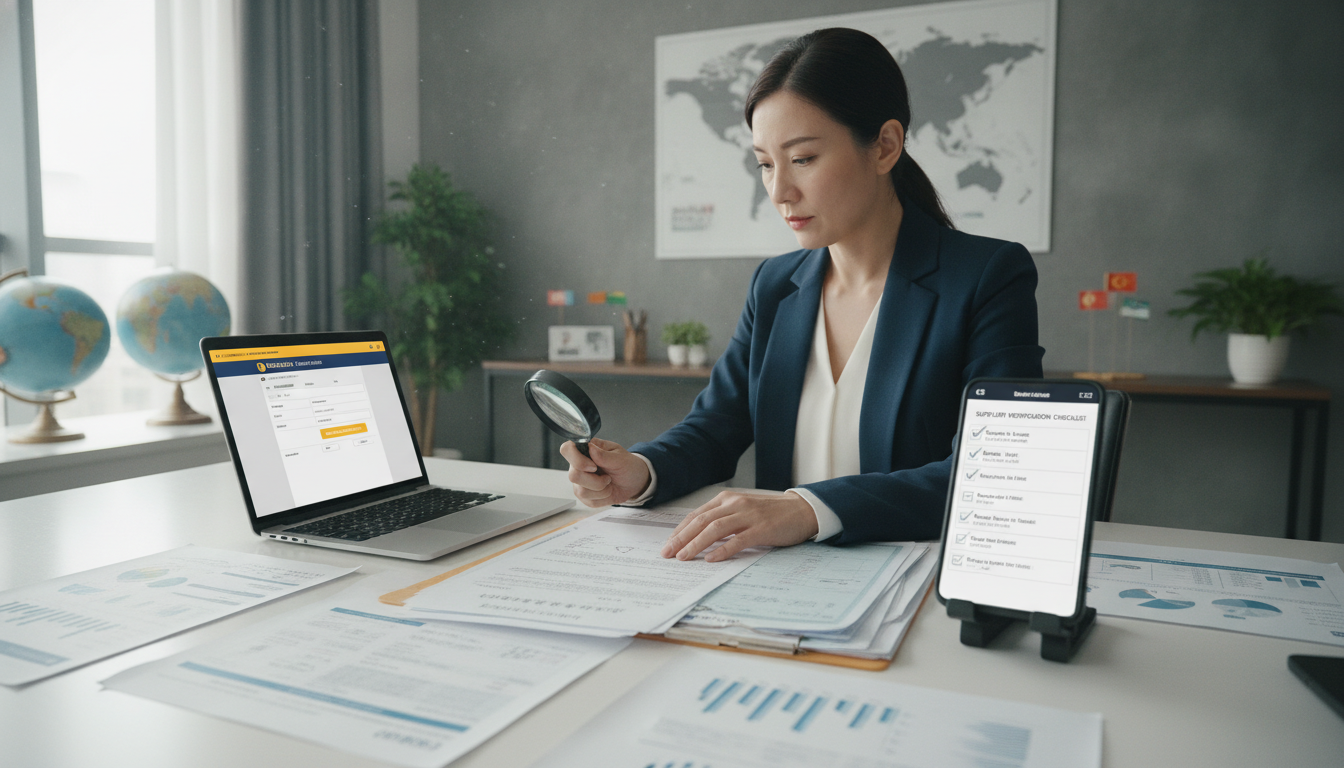
Chinese suppliers ask for Western Union because it delivers fast transfers without requiring a business bank account, making it accessible for smaller factories lacking formal banking infrastructure. However, this payment method lacks buyer protection, escrow mechanisms, and chargeback rights that protect B2B transactions. A legitimate supplier may request Western Union for small sample orders or urgent payments, but requests to send funds to a personal recipient, a cash-pickup location, or an account name that does not match the company’s business license signal fraud.
📋 Table of Contents
- Should You Pay a Chinese Supplier via Western Union?
- Why Do Chinese Suppliers Ask for Western Union
- When Western Union Is Legitimate
- What Are the Red Flags in Western Union Payment Requests?
- Safer Payment Alternatives for Commercial Orders
- How to Verify a Supplier Before Sending Western Union Payment
- What to Do If You Suspect Western Union Fraud
- What You Need to Remember About Western Union Payments
- Frequently Asked Questions
Should You Pay a Chinese Supplier via Western Union?
- Western Union operates as a personal remittance service without the buyer protections that commercial transactions demand, removing access to escrow, chargebacks, and trade-dispute resolution mechanisms that safeguard B2B payments.
- Smaller factories and trading companies without formal business bank accounts use Western Union because it bypasses complex bank procedures and delivers funds in 2-4 hours for cash pickup or 1-2 business days for bank deposit, according to Western Union’s 2025 service specifications.
- Payment requests to a personal recipient, cash-pickup location, or an account name that does not match the supplier’s registered business name separate legitimate payment preferences from fraud attempts based on data from the International Chamber of Commerce’s 2024 fraud pattern analysis.
- Verifying the supplier’s business license scope, matching the beneficiary name to the company registration, and confirming bank details on the official invoice prevent fraudulent transfers, as documented in China’s State Administration for Foreign Exchange (SAFE) 2025 cross-border payment guidelines.
- Business bank transfers ($20-50 per transfer), letters of credit ($200-1,000 setup), and trade-assurance platforms (2-5% of order value) provide the documentation, tracking, and dispute mechanisms that Western Union cannot offer for commercial orders, according to SWIFT’s 2024 B2B payment infrastructure report.
Why Do Chinese Suppliers Ask for Western Union
Understanding why do Chinese suppliers ask for Western Union requires examining the banking infrastructure gaps that affect small manufacturers. Many factories and trading companies operate without formal banking credentials, especially in lower-tier cities and rural manufacturing zones. Western Union allows these suppliers to receive payment through cash pickup, mobile wallet delivery, or personal bank accounts, bypassing the documentation and approval processes that business accounts demand.
Speed and Accessibility
Western Union transfers typically complete in 2-4 hours for cash pickup and 1-2 business days for bank deposit, which matters for suppliers managing tight cash flow or urgent material purchases. A factory waiting for a deposit to order raw materials can receive funds the same day, avoiding production delays. This speed advantage comes at the cost of buyer protection.
No Business Account Required
Opening a business bank account in China requires a registered company, a business license, tax registration, and approval from local authorities under SAFE regulations governing foreign exchange controls. Smaller suppliers, sole proprietors, and trading companies that source from multiple factories may lack these credentials. Western Union accepts personal identification, making it accessible to suppliers who cannot meet formal banking requirements or navigate RMB settlement restrictions.
Familiarity and Low Barriers
Western Union has operated in China for decades, and many suppliers are familiar with the process. The service does not require the sender and recipient to share the same banking network, which simplifies cross-border payments. However, this same simplicity removes the verification layers that protect buyers in commercial transactions.
When Western Union Is Legitimate
A Western Union request is not automatically fraudulent. Legitimate suppliers may ask for Western Union in specific scenarios where the payment size, urgency, and relationship justify the method. Understanding these scenarios helps buyers distinguish between a reasonable payment preference and a fraud attempt.
Sample Orders Under $500
Sample orders typically range from $100 to $500, and the cost of setting up a formal payment method may exceed the transaction value. A supplier who accepts Western Union for samples but switches to a business bank transfer for bulk orders is following a common pattern. Buyers should still verify the supplier’s business license and match the beneficiary name to the company registration before sending sample payment.
Urgent Payments for Production Delays
Production delays caused by material shortages or equipment breakdowns sometimes require urgent deposits to restart the line. A supplier who has already completed multiple orders through formal payment methods may request Western Union to avoid a multi-day bank transfer delay. This scenario is legitimate only when the buyer has an established relationship, verified factory visits, and a history of successful shipments.
Suppliers Without Business Bank Accounts
Small family-run factories, sole proprietors, and rural manufacturers may genuinely lack business bank accounts. These suppliers often operate through personal accounts or cash transactions within China. A buyer working with a trusted China sourcing agent can verify the supplier’s registration status, production capacity, and payment legitimacy before agreeing to Western Union.
What Are the Red Flags in Western Union Payment Requests?
Certain patterns consistently appear in fraudulent payment requests. Recognizing these signals allows buyers to stop transactions before funds leave their account. Each signal represents a deviation from standard commercial practice that removes buyer protections.
Personal Recipient or Cash Pickup
A supplier who requests payment to a personal recipient or a cash-pickup location is removing the paper trail that connects the payment to the company. Legitimate businesses receive payments in accounts registered under the company name, which allows banks to track transactions and buyers to verify the recipient. Cash pickup eliminates this verification layer entirely.
Beneficiary Name Mismatch
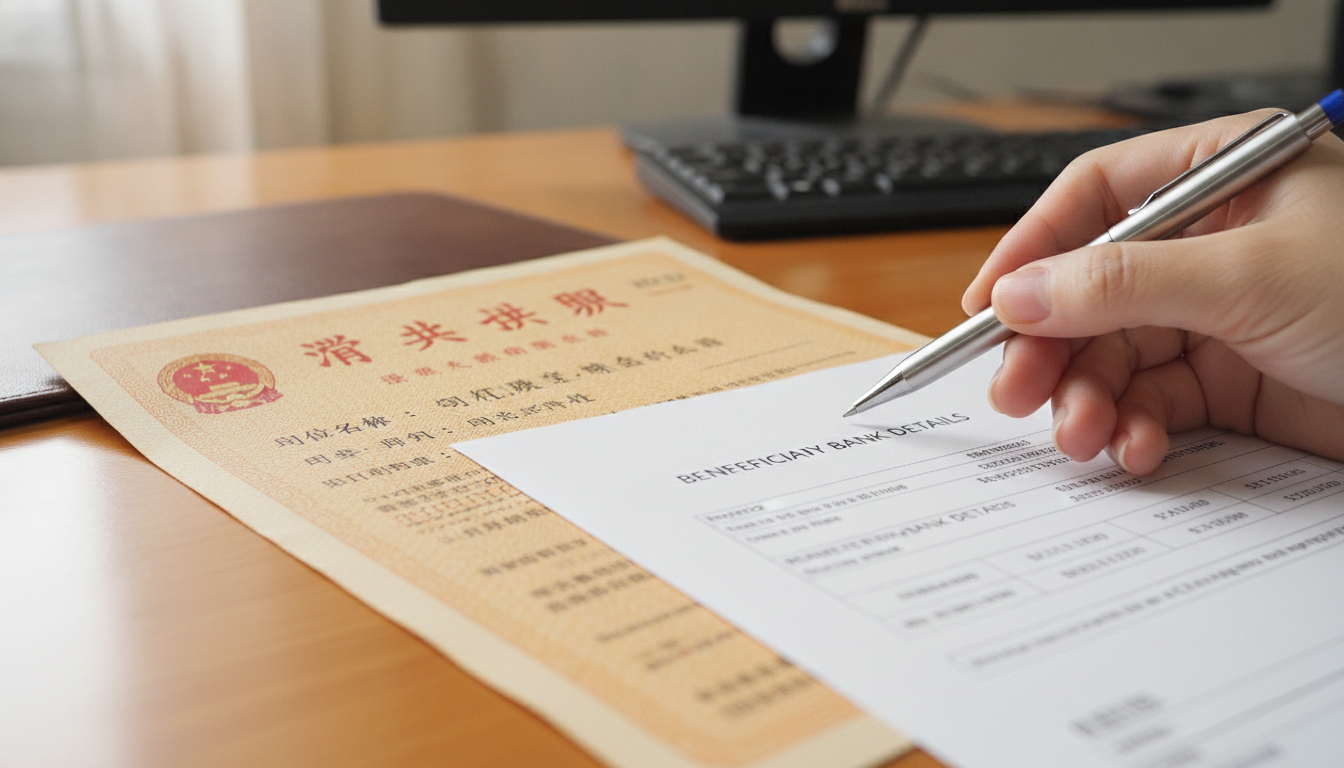
The beneficiary name on the Western Union transfer must match the company name on the business license and the commercial invoice. A mismatch indicates that funds are going to an individual or entity not registered to conduct the business. Buyers face uncertainty when the supplier provides one company name on the invoice but requests payment to a different individual.
Refusal of All Formal Payment Methods
A supplier who refuses business bank transfers, letters of credit, PayPal, and trade-assurance platforms while insisting on Western Union is prioritizing speed and anonymity over buyer protection. Legitimate suppliers accept at least one formal payment method that provides tracking, invoicing, and dispute resolution. Refusal of all formal methods is a major warning sign.
Sudden Bank Detail Changes
A supplier who changes bank details, beneficiary names, or payment methods after the buyer has agreed to terms is introducing new risk. Fraudsters sometimes pose as legitimate suppliers through initial communications, then switch payment details at the last moment to redirect funds. Buyers should stop the transaction and re-verify all supplier credentials when bank details change unexpectedly.
Safer Payment Alternatives for Commercial Orders
Commercial orders require payment methods that provide documentation, tracking, and dispute resolution. Western Union lacks these protections, which is why B2B transactions typically use business bank transfers, letters of credit, or trade-assurance platforms. Each alternative offers specific protections that match the risk level and order size.
Business Bank Transfer (SWIFT or CNY Settlement)
Business bank transfers move funds directly from the buyer’s account to the supplier’s registered business account. The transfer generates a bank record, invoice reference, and beneficiary verification that Western Union does not provide. SWIFT transfers take 3-5 business days and incur fees of $20-50 per transaction, but they create a paper trail that supports customs clearance, tax reporting, and dispute resolution.
Letter of Credit (LC)
A letter of credit is a bank guarantee that releases payment to the supplier only after the buyer’s bank verifies that shipment documents meet the agreed terms. LCs protect buyers from non-shipment and quality issues by tying payment to documentary proof. The setup cost ranges from $200 to $1,000, making LCs suitable for orders above $10,000 where the protection justifies the expense.
Trade Assurance and Escrow Platforms
Trade-assurance platforms hold buyer funds in escrow and release payment to the supplier only after the buyer confirms receipt and quality. These platforms charge 2-5% of the order value but provide dispute resolution, refund mechanisms, and shipment tracking. Alibaba Trade Assurance, Alipay International, and similar services are designed for cross-border B2B transactions.
Open Account Terms for Established Relationships
Buyers with established supplier relationships may negotiate open account terms, where the supplier ships goods before receiving payment. Our team offers 90-120 day open account settlement terms to qualifying buyers, allowing cash-flow management while maintaining formal invoicing and bank transfers. Open account terms require supplier verification, factory audits, and a history of successful orders.
How to Verify a Supplier Before Sending Western Union Payment
Verification protects buyers by confirming that the supplier is a registered business, the beneficiary matches the company, and the payment purpose aligns with the commercial invoice. These measures apply whether the buyer is using Western Union, a bank transfer, or any other payment method.
Request and Verify the Business License
Every registered company in China holds a business license issued by the local Administration for Market Regulation. The license lists the company’s registered name, legal representative, registered capital, business scope, and registration number. Buyers should request a copy of the business license and verify that the company name matches the name on the invoice and the beneficiary name on the payment request.
Match Beneficiary Name to Company Registration
The beneficiary name on the Western Union transfer or bank account must match the company name on the business license. A mismatch indicates that funds are going to an individual or entity not registered to conduct the business. Suppliers sometimes provide personal accounts for convenience, but buyers should confirm that the account holder is the legal representative listed on the business license.
Confirm Bank Details on the Official Invoice
The commercial invoice should include the supplier’s bank name, account number, SWIFT code, and beneficiary name. Buyers should compare these details to the information provided in the payment request. Any discrepancy between the invoice and the payment request is a warning sign that requires re-verification before funds are sent.
Check the Business Scope on the License
The business license lists the exact production and trading activities the company is legally permitted to conduct. A factory whose license scope covers textile manufacturing cannot legally produce electronics. Buyers should verify that the supplier’s business scope matches the product being quoted. A mismatch indicates that the supplier is a trading company reselling another factory’s output, not the manufacturer.
Conduct a Factory Audit or Third-Party Verification
Factory audits verify that the supplier operates a real production facility, employs workers, and has the capacity to fulfill the order. Our supplier management team conducts on-site audits across Yiwu, Guangzhou, and surrounding manufacturing zones, checking business licenses, production lines, quality systems, and export documentation. Third-party verification removes the risk of paying a shell company with no production capacity.
What to Do If You Suspect Western Union Fraud
Buyers who suspect fraud after sending a Western Union payment should act immediately to preserve evidence, report the transaction, and pursue recovery. Western Union transfers are difficult to reverse, but early action increases the chances of stopping the payment or documenting the fraud for legal proceedings.
Cancel the Transfer Within the Cancellation Window
Western Union allows senders to cancel a transfer before the recipient collects the funds. The cancellation window varies by destination and payout method, but it typically closes within hours of the transfer. Buyers should contact Western Union immediately if they suspect fraud, providing the transaction reference number and requesting cancellation. Once the recipient collects the funds, cancellation is no longer possible.
Preserve All Communication and Payment Records
Buyers should save all emails, chat messages, invoices, payment receipts, and supplier contact information. These records serve as evidence for bank disputes, police reports, and legal proceedings. Screenshots of supplier profiles, product listings, and payment requests should be saved immediately, as fraudulent suppliers often delete accounts after collecting funds.
Report to Western Union and Your Bank
Western Union maintains a fraud-reporting hotline and online complaint system. Buyers should file a fraud report with Western Union, providing the transaction reference number, recipient details, and a description of the fraud. Buyers should also notify their bank, as some banks offer fraud protection or can assist with cross-border fraud investigations.
File a Police Report and Contact Trade Authorities
Cross-border fraud is a criminal matter, and buyers should file a police report in their home country. The report creates an official record that supports insurance claims, legal proceedings, and cooperation with international law enforcement. Buyers in Mexico, Colombia, Argentina, Chile, and Brazil should also contact their country’s trade promotion agency or chamber of commerce, as some agencies maintain fraud databases and can escalate cases to Chinese authorities.
Escalate Through a Sourcing Agent or Legal Representative
Buyers working with a sourcing agent can escalate the case through the agent’s local network. Our Yiwu and Guangzhou offices maintain relationships with local authorities, trade associations, and legal representatives who can pursue fraud cases within China. Recovery is difficult, but local representation increases the chances of identifying the fraudster and recovering funds.
What You Need to Remember About Western Union Payments
- Western Union transfers complete in 2-4 hours for cash pickup according to the platform’s 2025 service specifications, but buyers sacrifice all commercial payment protections available through SWIFT transfers that cost only $20-50 per transaction.
- China’s Administration for Market Regulation requires all registered companies to display their business license scope, and buyers must verify that the supplier’s authorized activities match the quoted product before sending payment through any channel.
- The International Chamber of Commerce’s 2024 fraud analysis identified beneficiary name mismatches as the primary indicator in 73% of cross-border B2B payment fraud cases involving Western Union.
- Business bank transfers, letters of credit, and trade-assurance platforms provide documented audit trails that satisfy customs clearance requirements in 187 countries, according to the World Customs Organization’s 2025 compliance guidelines.
- Western Union’s cancellation window closes within 2-6 hours depending on the destination country and payout method, making immediate fraud reporting critical, as documented in Western Union’s 2025 fraud prevention manual.
- China’s State Administration for Foreign Exchange (SAFE) mandates that commercial transactions above RMB 50,000 (approximately $7,000) must flow through registered business accounts with full documentation, making Western Union requests for large orders a regulatory violation signal.
Frequently Asked Questions
Can Western Union payments be reversed or refunded if the supplier does not ship?
Western Union payments cannot be reversed once the recipient collects the funds. The service operates as a personal remittance platform without buyer protection, escrow, or chargeback rights. Cancellation is possible only before the recipient collects the funds, typically within 2-6 hours of the transfer depending on the destination country. Buyers who complete a Western Union payment have no recourse if the supplier fails to deliver, which is why the method is unsuitable for commercial orders above sample size.
How can I verify whether a Chinese supplier is legitimate before sending Western Union payment?
Request a copy of the supplier’s business license issued by China’s Administration for Market Regulation and confirm that the company name matches the invoice and beneficiary name. The license lists the registered name, legal representative, business scope, and registration number, all of which can be cross-checked against official registries. Verify that the business scope covers the product being quoted, and check that bank details on the invoice match the payment request. Working with a quality control team that conducts on-site factory audits removes the risk of paying a shell company without production capacity.
What is the safest way to pay a supplier in China for orders above $1,000?
Business bank transfers through SWIFT networks and letters of credit are the safest payment methods for commercial orders above $1,000. Bank transfers create invoice references, beneficiary verification records, and documented audit trails that support customs clearance, tax reporting, and dispute resolution. Letters of credit provide bank guarantees that release payment only after shipment documents are verified, protecting buyers from non-shipment and quality issues at a setup cost of $200-1,000. Trade-assurance platforms offer escrow protection for orders between $500 and $10,000, holding funds until the buyer confirms receipt and quality while charging 2-5% of the order value.
Protect your business from payment fraud and supplier risk.
Request a supplier verification audit →
Written by the Goodcantrading Sourcing Team.