What Is the Minimum Deposit Chinese Suppliers Require? [2026 Guide]
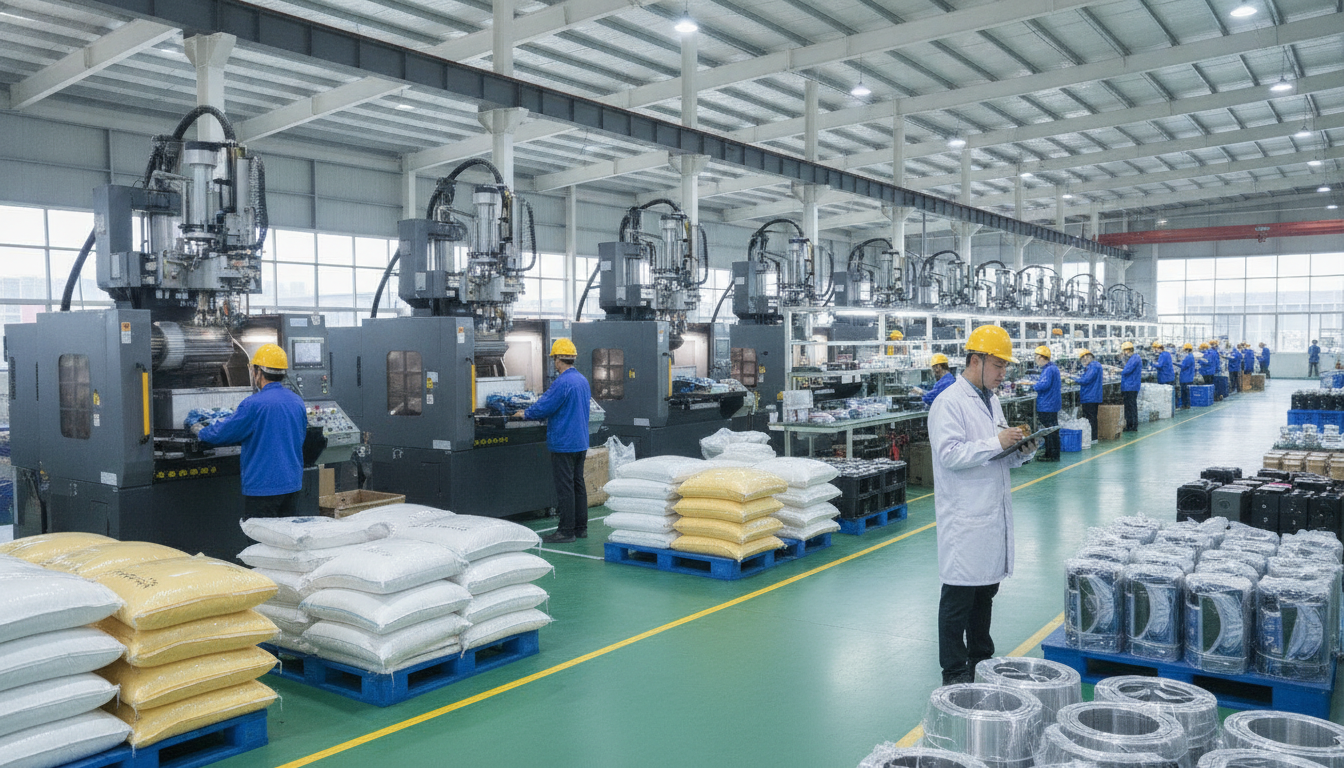
Most Chinese suppliers require a 30% deposit before production begins, with the remaining 70% due before shipment or against a copy of the bill of lading. This 30/70 split is commercial practice, not a legal mandate, and the exact percentage is negotiated based on order value, product type, supplier category, and buyer history. Sample orders often require 100% payment upfront, while tooling or mould charges may demand 40-50% before fabrication starts.
📋 Table of Contents
Executive Summary
- Standard deposit structure: 30% telegraphic transfer before production, 70% balance before shipment or against shipping documents, negotiated per order rather than legally fixed.
- Sample and small-order exceptions: Suppliers typically require 100% payment upfront for samples and trial orders below the minimum order quantity threshold.
- Tooling and mould charges: Custom production often demands 40-50% of tooling costs before fabrication begins, with the balance due upon mould approval.
- Negotiation leverage: Larger order values, repeat business, and third-party inspection milestones create room to reduce the initial deposit percentage or stage payments.
- Payment-method safeguards: Letters of credit, Alibaba Trade Assurance, and escrow services reduce exposure compared to direct bank wire transfers.
What Is the Standard Deposit Percentage?
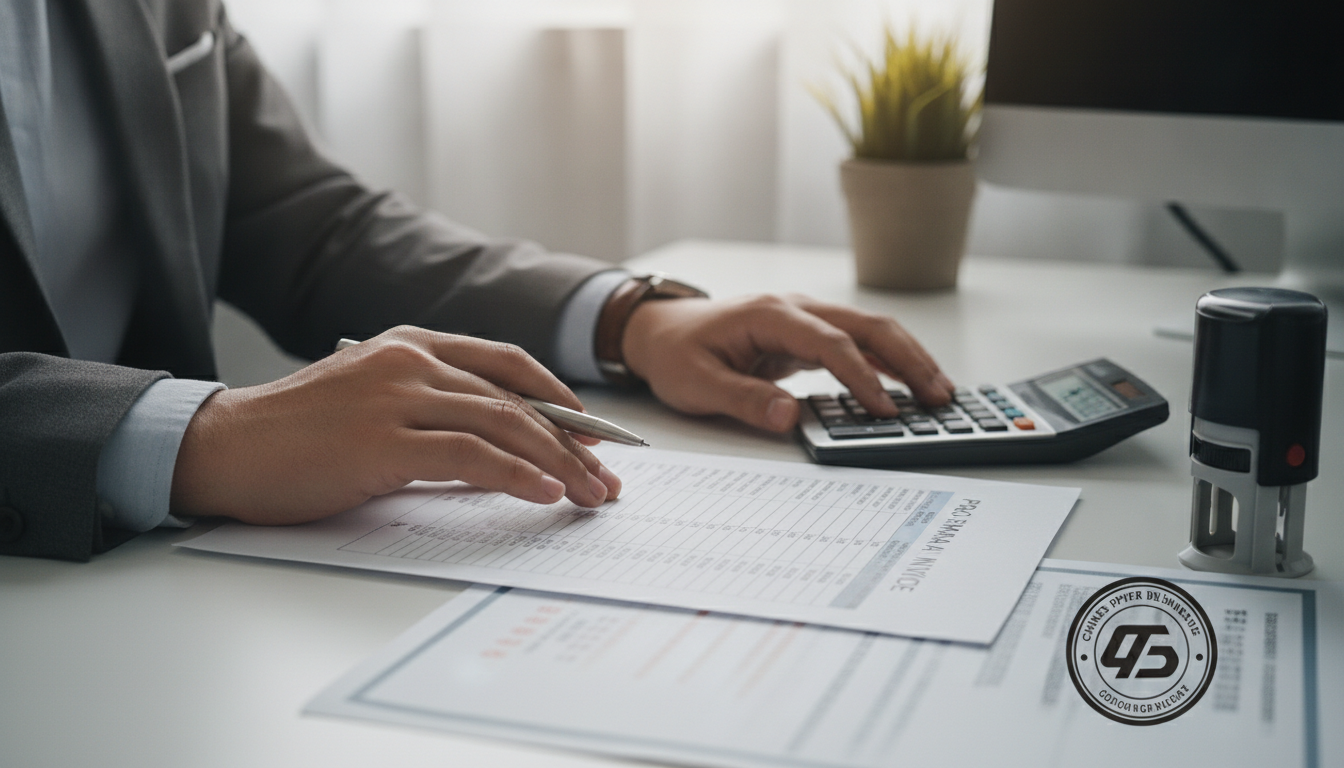
The 30% deposit and 70% balance structure is the most quoted payment term across Chinese manufacturing, particularly for orders between USD 5,000 and USD 100,000. The deposit is paid via telegraphic transfer after the buyer approves the pro forma invoice, and the balance is released once the supplier provides a copy of the bill of lading or before the goods leave the factory.
Why 30% Became the Market Default
Suppliers use the deposit to purchase raw materials, reserve production capacity, and cover initial labour costs. A 30% deposit typically aligns with the material and setup expenses for consumer goods, apparel, and home products. The remaining 70% covers labour, overhead, and margin, which the supplier collects before transferring ownership of the finished goods.
No Legal Minimum Exists
Chinese contract law does not mandate a specific deposit percentage. The 30/70 split is a commercial convention that suppliers quote because it balances their cash-flow needs with buyer risk tolerance. Buyers with strong negotiating leverage, verified payment history, or large order volumes can push the deposit lower, while first-time buyers or high-risk product categories may face requests for 40-50% upfront.
Regional and Product Variations
Electronics and machinery suppliers in Shenzhen and Dongguan sometimes request 40% deposits because component lead times and inventory costs are higher. Textile and apparel factories in Guangdong and Zhejiang more readily accept 30% or even 20% for repeat buyers. Furniture manufacturers in Foshan may ask for 50% if the order involves custom dimensions or specialized finishes that cannot be resold to another buyer.
How Deposit Requirements Vary by Order Type
Deposit expectations shift based on whether the buyer is ordering samples, placing a first production run, commissioning tooling, or reordering from an established supplier. Each scenario carries different risk and cost profiles for the factory.
Sample Orders
Suppliers charge 100% upfront for samples because the unit cost is high, the order is not profitable, and the buyer may disappear after receiving the sample. Sample fees range from USD 50 to USD 300 per unit depending on complexity, and most suppliers refund the sample cost if the buyer places a bulk order above the minimum order quantity.
First Production Orders
First-time buyers typically pay 30-40% as a deposit. The supplier has no payment history to assess creditworthiness, so the higher deposit offsets the risk of order cancellation or payment default. Buyers who provide a letter of credit or use Alibaba Trade Assurance can sometimes negotiate the deposit down to 20-25% because the payment is guaranteed by a third party.
Tooling and Mould Charges
Custom injection moulds, die-casting tools, and packaging plates require separate payment schedules. Suppliers ask for 40-50% of the tooling cost before starting fabrication, with the balance due when the buyer approves the first mould trial. Tooling costs range from USD 2,000 for simple plastic moulds to USD 50,000 for multi-cavity aluminium dies, and the deposit ensures the supplier recovers material and machining expenses if the buyer cancels.
Repeat Orders from Established Buyers
Buyers who have completed three or more orders without payment disputes can negotiate deposits as low as 20%, and some suppliers extend 7-14 day payment terms after shipment for high-volume accounts. Our Yiwu and Guangzhou sourcing desks work with factories that offer 90-120 day open-account terms to qualifying buyers, subject to order history and credit evaluation.
In practice: A supplier’s business licence lists the exact production scope it is allowed to quote on, which is what separates a real factory from a trading company reselling that factory’s output before any deposit moves.
When Suppliers Ask for Higher Deposits
Certain order characteristics push suppliers to request 40-50% deposits or even 100% payment before production. Understanding these triggers helps buyers assess whether the request is reasonable or a warning sign.
High Material Costs or Long Lead Times
Products that require imported components, precious metals, or specialized fabrics force suppliers to lock in material purchases weeks before production starts. Electronics with semiconductors, jewellery with gemstones, and technical textiles with performance coatings often carry 40-50% deposit requirements because the supplier cannot repurpose the materials if the buyer cancels.
Customization That Prevents Resale
Private-label packaging, custom colours outside standard Pantone ranges, and buyer-specific dimensions create inventory that cannot be sold to another customer. Suppliers mitigate this risk by asking for higher deposits, typically 40% for moderate customization and 50-100% for fully bespoke designs.
Small Order Quantities Below MOQ
p>Factories quote minimum order quantities to achieve production efficiency. Orders that fall below the MOQ disrupt the production schedule and increase per-unit costs, so suppliers often require 50-100% payment upfront. A buyer ordering 200 units when the MOQ is 500 should expect to pay the full amount before the factory allocates line time.
First-Time Buyers Without References
Suppliers face higher default risk with buyers who have no trade history, no company registration documentation, and no references from other factories. New importers should expect 40-50% deposit requests until they establish a payment track record. Providing a company business licence, tax registration, and a letter of credit can reduce the deposit to 30%.
How to Negotiate a Lower Deposit
Buyers can reduce the initial cash outlay by offering risk-mitigation alternatives that address the supplier’s concerns without increasing the deposit percentage. Negotiation success depends on order size, payment method, and the buyer’s willingness to accept staged milestones.
Increase the Order Value
Larger orders give buyers to negotiate lower deposits because the supplier’s total margin increases. A USD 50,000 order may allow a 20% deposit instead of 30%, while a USD 10,000 order leaves little room for negotiation. Consolidating multiple SKUs into a single purchase order strengthens the buyer’s position.
Offer a Letter of Credit
A letter of credit guarantees payment through the buyer’s bank, which eliminates the supplier’s risk of non-payment. Suppliers often accept 10-20% deposits when a letter of credit covers the balance, though the buyer incurs bank fees of 0.5-2% of the order value. Documentary collection offers a middle ground, with lower fees than a letter of credit but less security for the supplier.
Stage Payments Around Inspection Milestones
Buyers can propose a 20% deposit, 30% after pre-production sample approval, 30% after during-production inspection, and 20% before shipment. This structure ties payments to verified progress and reduces the risk of paying for defective goods. Suppliers accept staged payments more readily when the buyer hires a third-party inspection service to confirm each milestone.
Use Alibaba Trade Assurance or Escrow
Alibaba Trade Assurance holds the buyer’s payment in escrow and releases it to the supplier only after the buyer confirms receipt and quality. This allows buyers to negotiate 20-30% deposits because the supplier is guaranteed payment upon delivery. PayPal and other escrow services offer similar protection but charge 2-4% transaction fees.
Provide Company Documentation and References
Sharing business registration certificates, tax identification numbers, and references from other Chinese suppliers demonstrates creditworthiness. Buyers who provide this documentation upfront can negotiate 5-10% lower deposits compared to buyers who refuse to share company details.
Payment Methods and Risk Mitigation
The payment method determines how much protection the buyer has against fraud, quality defects, and shipment delays. Each method carries different costs, processing times, and dispute-resolution mechanisms.
Telegraphic Transfer (T/T)
Bank wire transfers are the most common payment method for China sourcing because they are fast, low-cost, and accepted by all suppliers. The buyer sends the deposit via SWIFT or local bank transfer, and the supplier provides a receipt and begins production. T/T offers no buyer protection, so the deposit is lost if the supplier disappears or ships defective goods. Buyers should verify the supplier’s bank account name matches the business licence before wiring funds.
Letter of Credit (L/C)
A letter of credit is issued by the buyer’s bank and guarantees payment to the supplier once the supplier presents compliant shipping documents. The supplier cannot access the funds until the bank confirms the documents match the L/C terms, which protects the buyer from non-shipment. L/C fees range from 0.5% to 2% of the order value, and processing adds 7-14 days to the transaction timeline. Suppliers prefer T/T because L/C documentation is complex and banks sometimes reject documents for minor discrepancies.
Alibaba Trade Assurance
Trade Assurance holds the buyer’s payment in escrow and releases it to the supplier after the buyer confirms the goods meet the agreed specifications. If the supplier ships defective products or misses the delivery deadline, the buyer can file a claim and Alibaba refunds the payment. Trade Assurance is free for buyers and charges suppliers a 2-3% transaction fee. Coverage is limited to the order value listed on the Alibaba platform, so off-platform negotiations are not protected.
PayPal and Credit Cards
PayPal and credit cards offer buyer protection through chargeback mechanisms, but most Chinese suppliers refuse these methods because chargeback fraud is common and transaction fees are 3-4%. Small suppliers and trading companies on Alibaba sometimes accept PayPal for sample orders below USD 500, but production orders above USD 5,000 require T/T or L/C.
Documentary Collection
The supplier ships the goods and sends the shipping documents to their bank, which forwards them to the buyer’s bank. The buyer’s bank releases the documents only after the buyer pays, which gives the buyer control over the goods before payment. Documentary collection costs less than a letter of credit but offers less protection because the supplier can ship defective goods and the buyer must still pay to retrieve the documents.
Verify Bank Account Ownership Before Sending Deposits
Scammers impersonate legitimate suppliers by copying company names and providing fraudulent bank accounts. Before wiring a deposit, buyers should confirm the bank account name exactly matches the supplier’s business licence, request a stamped bank statement showing the account holder, and call the supplier’s landline number listed on the business licence to verify the account details. Email-only communication and requests to wire funds to personal accounts are fraud indicators.
Tie Final Payment to Pre-Shipment Inspection
Releasing the 70% balance before inspecting the finished goods leaves buyers with no if the supplier ships defective products. Buyers should negotiate to pay the balance only after a third-party inspector confirms the goods meet the agreed specifications. Suppliers resist this structure because it delays cash flow, but buyers with strong negotiating positions or large order values can make inspection approval a payment condition.
Key Takeaways
- Standard deposit: 30% upfront via telegraphic transfer is the most common structure, but it is negotiated per order and not legally mandated in China.
- Sample and tooling exceptions: Suppliers require 100% payment for samples and 40-50% for custom tooling because these costs cannot be recovered if the buyer cancels.
- Negotiation leverage: Larger order values, letters of credit, staged inspection milestones, and established payment history allow buyers to reduce deposits to 20-25%.
- Payment-method protection: Letters of credit and Alibaba Trade Assurance offer buyer safeguards, while direct bank wire transfers carry full risk of fraud or quality defects.
- Bank-account verification: Confirming the supplier’s bank account name matches the business licence prevents payment to fraudulent accounts posing as legitimate factories.
- Pre-shipment inspection leverage: Tying the final 70% payment to third-party inspection approval ensures the supplier ships goods that meet the agreed specifications.
Frequently Asked Questions
Can I negotiate a 10% deposit instead of 30%?
Deposits below 20% are rare unless the buyer provides a letter of credit or has a multi-year payment history with the supplier. Most factories refuse 10% deposits because the amount does not cover raw material costs.
What happens if I pay the deposit and the supplier disappears?
Direct bank wire transfers offer no recourse if the supplier is fraudulent. Buyers should verify the supplier’s business licence, request a factory audit, and use Alibaba Trade Assurance or a letter of credit for first orders.
Do suppliers refund deposits if I cancel the order?
Refund terms depend on the contract and production stage. Most suppliers refund the deposit if the buyer cancels before material purchase, but deduct material and setup costs if production has started.
Is a 50% deposit normal for custom products?
Yes, when the product involves custom moulds, private-label packaging, or buyer-specific materials that cannot be resold. Suppliers request higher deposits to offset the risk of order cancellation.
Reduce deposit risk and verify supplier credentials before sending payment.
Request Factory Audit and Payment Terms Review →
Written by the Goodcantrading Sourcing Team.