First Time Importer China Low MOQ Strategy Guide [2026]
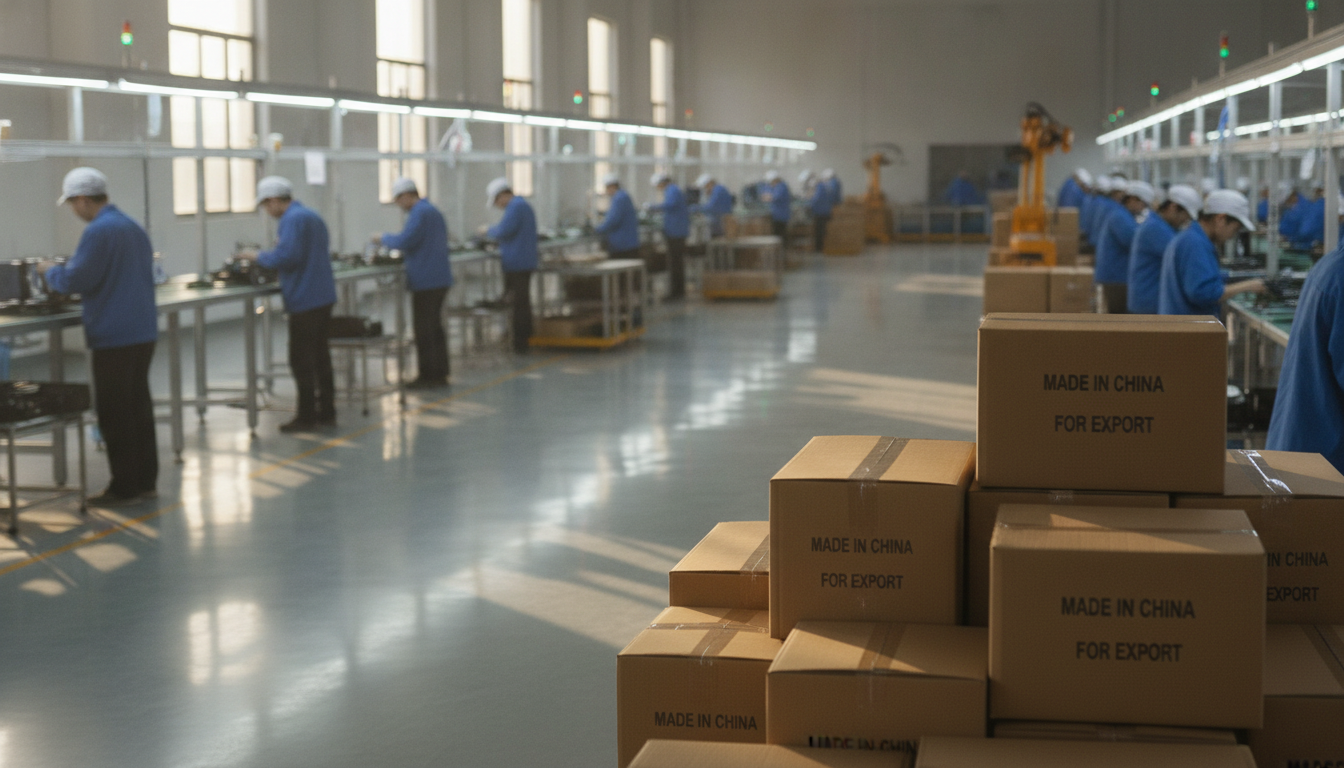
For first-time importers, securing low minimum order quantities from China requires combining stock materials, accepting higher per-unit pricing, and consolidating multiple suppliers through a single shipping container. Most factories set MOQs to cover material waste, tooling setup, and production-line changeover costs-typically 500-3,000 units per SKU-but pilot orders of 200-500 units become feasible when you eliminate custom molds, choose existing colorways, and pay setup fees separately. This first time importer China low MOQ strategy guide walks through supplier verification, payment protection, and consolidation logistics that reduce both fraud risk and landed cost.
📋 Table of Contents
- Executive Summary
- Why Low MOQ Matters for First-Time Importers
- How Do You Verify a Supplier Before Ordering?
- What Tactics Lower MOQ Without Losing Quality?
- How Do You Protect Payment on a First Order?
- Should You Consolidate Multiple Suppliers in One Container?
- What Import Formalities Apply to Your Destination?
- Key Takeaways
- Frequently Asked Questions
Executive Summary
- Pilot-order sizing: Start with 200-500 units to test demand and supplier reliability before committing to full production runs.
- Stock-material advantage: Choosing existing fabrics, colors, and packaging eliminates tooling costs and can reduce MOQ by half.
- Verification sequence: Request business licence, production-scope match, and third-party factory audit before any deposit moves.
- Payment staging: Split deposits into 30% upfront and 70% against pre-shipment inspection photos to retain through production.
- Consolidation logistics: Combining orders from three to five suppliers into a single LCL or FCL shipment spreads fixed freight costs and simplifies customs clearance.
Why Low MOQ Matters for First-Time Importers
First-time buyers face three simultaneous risks: unproven supplier reliability, uncertain market demand, and limited working capital. Ordering 3,000 units of an untested product locks cash for months and leaves no room to pivot if the supplier ships defective goods or if local demand falls short. A low-MOQ pilot order of 200-500 units costs more per unit but validates both the supplier’s production quality and your market fit before you scale.
Cash-Flow Constraint
Small importers and Amazon FBA sellers typically allocate $5,000-$15,000 to a first container. When a factory quotes 1,000-unit MOQ at $8 per unit, product cost alone consumes the budget before freight, duties, and inspection fees. Negotiating down to 300 units at $11 per unit preserves $4,700 for shipping and quality control, which matters more than per-unit savings on an untested supplier.
Demand-Testing Window
Retail buyers in Mexico, Colombia, and Europe often run a 60-90 day test cycle before committing to reorders. A 200-unit pilot clears in two weeks, hits shelves within 30 days, and generates sell-through data while the supplier still remembers your specifications. Ordering 2,000 units upfront means six months of inventory risk if the product underperforms.
Supplier Fraud Exposure
Trading companies posing as factories, fake business licences, and bait-and-switch sampling remain common. A $2,000 pilot-order loss is recoverable; a $12,000 loss on a full container can end a new import business. Low MOQ lets you verify the supplier’s actual production capability and shipping reliability before you increase order size.
How Do You Verify a Supplier Before Ordering?
Supplier verification separates real factories from trading companies and shell entities. The process checks three layers: legal registration, production-scope alignment, and on-site manufacturing capability. Skipping any layer exposes you to deposit fraud or quality failures that surface only after bulk production ships.
Business Licence Scope Check
Every Chinese company holds a business licence issued by the local Administration for Market Regulation. The licence lists the exact production and trading scopes the entity is legally permitted to perform. A factory licence includes manufacturing categories; a trading-company licence lists only wholesale and import-export services. Request a copy of the licence and verify that the production scope matches the product you are quoting. A mismatch means the supplier is a middleman, not the manufacturer.
Factory Audit
An on-site factory audit photographs production lines, raw-material storage, finished-goods inventory, and quality-control stations. The audit confirms the supplier operates the machinery needed to produce your product and employs enough workers to meet your lead time. Third-party inspection firms charge $200-$350 per audit and deliver a report within 48 hours. Our Yiwu and Guangzhou sourcing desks coordinate factory audits across consumer-goods categories and cross-reference production equipment against the quoted specifications.
Sample-Order Sequence
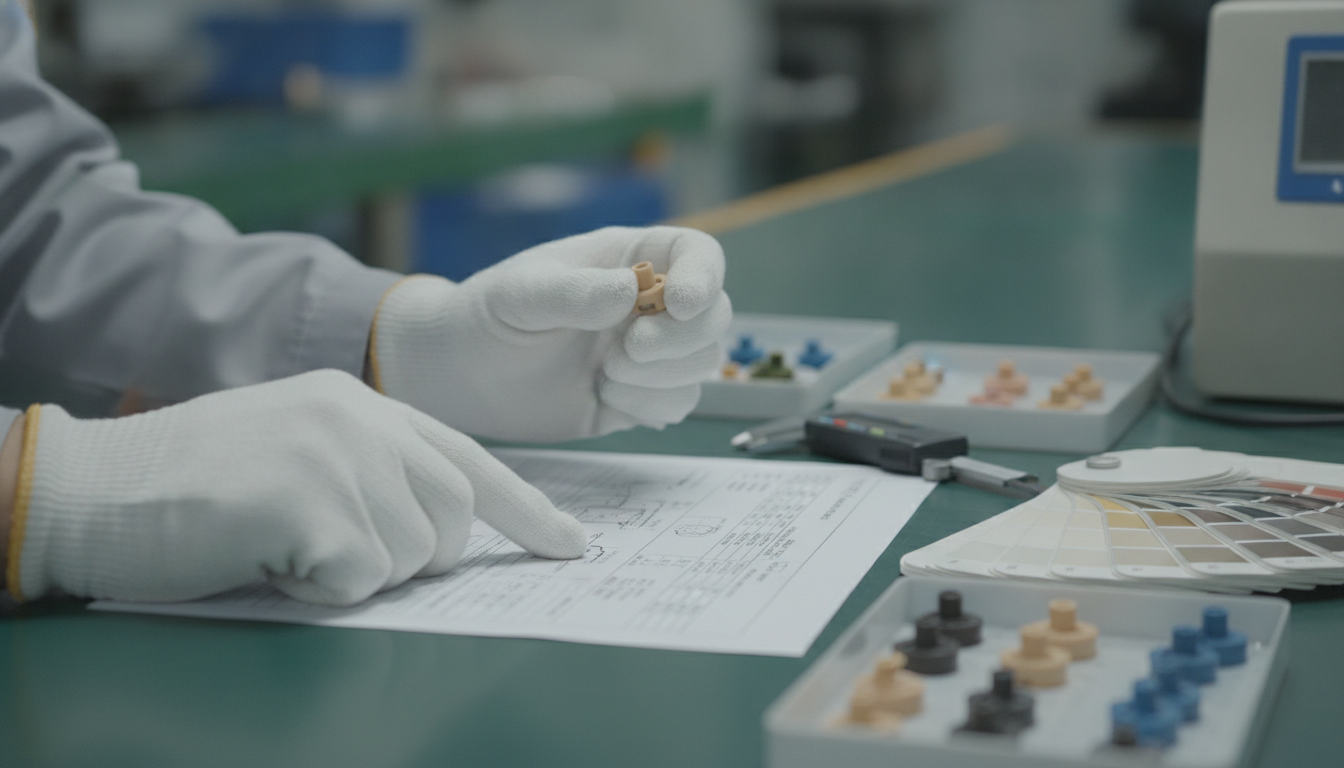
Order a pre-production sample before committing to bulk. The sample should match your final specifications: material weight, stitching density, colorway, and packaging. Approve this sample in writing and retain it as the golden sample. Any deviation in bulk production then becomes a contractual breach you can cite during pre-shipment inspection or payment negotiation.
What Tactics Lower MOQ Without Losing Quality?
Factories set MOQs to cover three fixed costs: raw-material waste during setup, tooling and mold expenses, and production-line changeover time. Reducing MOQ means either absorbing one of those costs yourself or eliminating the cost driver entirely. The tactics below address each cost layer and remain effective across apparel, home goods, and consumer electronics.
Use Stock Materials and Existing Molds
Custom fabric colors, proprietary blends, and unique packaging designs all require minimum production runs from the material supplier, which the factory then passes to you as MOQ. Choosing stock fabrics, standard hardware, and existing mold designs eliminates those upstream minimums. A furniture factory quoting 500-unit MOQ for a custom chair leg may accept 200 units if you select from their catalog of existing leg molds.
Pay Tooling Costs Separately
Mold fees, screen-printing plates, and embroidery digitization typically cost $300-$1,200 per SKU. Factories amortize these across the MOQ, so a 1,000-unit order absorbs $0.50 per unit in tooling while a 200-unit order would carry $2.50 per unit. Offering to pay the tooling fee upfront as a separate line item lets the factory reduce MOQ without losing margin. You own the mold and can reorder at the lower per-unit price once demand is proven.
Accept Higher Unit Pricing on the Pilot
Factories calculate per-unit cost by spreading fixed setup time across total volume. A production run of 200 units takes nearly the same setup hours as 1,000 units, so the factory’s labor cost per piece is higher. Agreeing to pay $11 per unit on a 200-unit pilot instead of $8 per unit on 1,000 units keeps the factory’s gross margin intact and signals you are a serious buyer planning to scale once the test succeeds.
Consolidate Variants Under One PO
Some suppliers calculate MOQ per color or size variant; others apply it to the combined purchase order. If the factory quotes 500-unit MOQ per color, ordering 200 units each of three colors meets a 600-unit combined threshold and may satisfy their production-efficiency target. Clarify whether MOQ applies per SKU, per variant, or per total order before you negotiate.
- Stock materials: Eliminates upstream supplier minimums and cuts lead time by 7-10 days.
- Separate tooling payment: Preserves factory margin while lowering the unit count required to break even.
- Higher pilot pricing: Compensates for lower production efficiency and demonstrates reorder intent.
- Variant consolidation: Combines color or size runs into a single purchase order that meets the factory’s volume target.
How Do You Protect Payment on a First Order?
Payment fraud and quality disputes are the two highest risks on a first China order. Structuring the payment schedule to retain through production and inspection reduces both. The standard 30% deposit, 70% before shipment split gives you two decision points: one after the deposit to confirm production starts, and one after inspection to confirm the goods match your approved sample.
Deposit Timing and Scope
Transfer the 30% deposit only after you receive and approve the pre-production sample and the factory confirms a production start date in writing. The deposit should reference a signed purchase order that lists SKU, quantity, unit price, material specifications, packaging requirements, and delivery Incoterm. Any change to these terms after deposit requires your written approval.
Pre-Shipment Inspection Hold
Schedule a third-party pre-shipment inspection when the factory reports production is 80% complete. The inspection checks a random sample of finished units against your golden sample and the purchase-order specifications. The inspector photographs defects, measures dimensions, and tests functionality. Release the 70% balance only after the inspection report shows an acceptable quality level. Factories resist this structure because it delays their cash flow, which is exactly why it works: they have incentive to meet your specifications the first time.
Payment Method Selection
Wire transfer is the default method for China orders but offers no recourse if the supplier disappears after deposit. PayPal and credit cards provide chargeback protection but carry 3-4% fees that most factories refuse to absorb. Alibaba Trade Assurance and similar platform escrow services hold your payment until you confirm receipt, but they add 2-3% in platform fees and limit your supplier pool to platform members. For first orders under $10,000, the chargeback protection often justifies the fee; for larger orders, a trusted China sourcing agent can coordinate payment staging and inspection without exposing your full balance upfront.
Open Account Terms for Qualifying Buyers
Goodcantrading offers 90-120 day open account settlement terms to qualifying buyers, allowing you to receive and inspect goods before full payment is due. Terms are agreed per order based on product category, order value, and trading history. This structure eliminates deposit risk entirely but requires advance approval.
Should You Consolidate Multiple Suppliers in One Container?
Consolidation combines orders from three to five suppliers into a single LCL or FCL shipment, spreading fixed freight costs across multiple product lines. A 200-unit order from one supplier might cost $800 in LCL freight; consolidating it with two other 200-unit orders from different factories reduces per-order freight to $350-$450 and simplifies customs clearance to a single entry.
When Consolidation Makes Sense
Consolidation works best when you are testing multiple product categories, sourcing complementary SKUs for a retail assortment, or comparing two suppliers for the same product. It does not make sense if all your volume goes to one trusted supplier or if your products require different shipping conditions such as refrigeration or hazardous-goods certification.
Warehouse Coordination
Consolidation requires a neutral warehouse where all suppliers deliver their finished goods for inspection, repackaging, and container loading. The warehouse checks each supplier’s carton count, verifies labeling, and photographs the loading process. Our warehouse and consolidation facility in Yiwu handles mixed-SKU shipments for buyers across Latin America and Europe, coordinating pickup from suppliers within Zhejiang, Guangdong, and Fujian provinces.
Customs and Documentation
Consolidating multiple suppliers into one shipment means one commercial invoice, one bill of lading, and one customs entry. Each supplier’s goods must still be itemized on the packing list with separate HS codes, but your customs broker processes a single clearance instead of three. This cuts brokerage fees and reduces the chance of one delayed shipment holding up the rest of your inventory.
What Import Formalities Apply to Your Destination?
Every destination country requires specific import documentation, product certifications, and labeling standards. Missing a required certificate or mislabeling a product triggers customs holds that add weeks of delay and storage fees. The requirements below cover the most common first-import destinations for small buyers sourcing from China.
Mexico Import Requirements
Mexican customs requires an RFC tax identification number, a customs broker registered with the SAT tax authority, and a commercial invoice in Spanish. Certain product categories require NOM certifications: electronics need NOM-001 electrical safety, textiles need fiber-content labels in Spanish, and toys need NOM-015 safety testing. Duties range from 0-35% depending on HS code and country of origin, with USMCA preferential rates unavailable for China-origin goods.
Colombia Import Requirements
Colombia requires an importer RUT number, a customs declaration filed through the VUCE single-window system, and a certificate of origin. Electronics and appliances need RETIE electrical-safety certification. Import duties range from 5-20% plus 19% IVA value-added tax. Labeling must include Spanish-language care instructions and importer contact details.
European Union Import Requirements
EU imports require an EORI number, a customs declaration filed in the member state of entry, and CE marking for regulated product categories. Textiles need fiber-content labels in the language of the destination country. Import duties vary by HS code and apply to the CIF value plus freight and insurance. VAT rates range from 19-27% depending on the member state. The EU’s General Product Safety Regulation requires that an economic operator established in the EU be identified on the product label, which means you need an EU-based importer of record or representative.
Brazil Import Requirements
Brazil requires a CNPJ business registration, a RADAR import license issued by the Receita Federal, and INMETRO certification for electronics, toys, and certain home goods. Import duties range from 10-35%, with an additional ICMS state tax of 17-20% and federal taxes (PIS/COFINS) totaling 11.75%. All labeling must be in Portuguese. The customs-clearance process in Brazil typically takes 10-20 days, longer than other Latin American countries.
- Mexico: RFC tax ID, Spanish invoices, NOM certifications for electronics and textiles, 0-35% duties.
- Colombia: RUT number, VUCE declaration, RETIE for electronics, 5-20% duties plus 19% IVA.
- European Union: EORI number, CE marking, fiber labels in local language, 19-27% VAT, EU economic operator required.
- Brazil: CNPJ and RADAR, INMETRO certification, Portuguese labeling, 10-35% duties plus state and federal taxes.
Key Takeaways
- Start with a pilot order of 200-500 units to validate supplier reliability and market demand before committing to full production runs that lock working capital for months.
- Request the supplier’s business licence and verify the production scope matches your product category, which separates real factories from trading companies before any deposit moves.
- Eliminate custom tooling, molds, and material colors on your first order to cut MOQ by half and reduce lead time by 7-10 days.
- Structure payment as 30% deposit after sample approval and 70% after pre-shipment inspection, retaining to enforce quality standards through production.
- Consolidate orders from multiple suppliers into one LCL or FCL shipment to spread fixed freight costs and simplify customs clearance to a single entry.
- Confirm destination-specific import requirements such as NOM certifications for Mexico, RETIE for Colombia, CE marking for the EU, and INMETRO for Brazil before production starts.
Frequently Asked Questions
What is a realistic MOQ for a first order from China?
Most factories quote 500-3,000 units per SKU as standard MOQ, but first-time importers can negotiate down to 200-500 units by using stock materials, paying tooling fees separately, and accepting a higher per-unit price on the pilot run. The key is demonstrating reorder intent and absorbing one of the factory’s fixed-cost drivers so their margin stays intact despite lower volume.
How do I verify a Chinese supplier is a real factory and not a trading company?
Request a copy of the supplier’s business licence and check the production scope section. A factory licence lists manufacturing categories; a trading-company licence lists only wholesale and import-export services. Follow up with a third-party factory audit that photographs production lines, raw-material inventory, and quality-control stations to confirm the supplier operates the equipment needed to produce your product.
Should I pay the full deposit upfront on my first China order?
No. Structure payment as 30% deposit after you approve the pre-production sample and 70% balance after a third-party pre-shipment inspection confirms the bulk goods match your specifications. This two-stage payment schedule retains through production and reduces the risk of quality drift or deposit fraud on an untested supplier relationship.
Ready to source your first order from China with verified suppliers and transparent pricing?
Request a Free Supplier Audit →
Written by the Goodcantrading Sourcing Team.