Supplier Disappears After Sample Payment: Legal Recourse [2026 Guide]
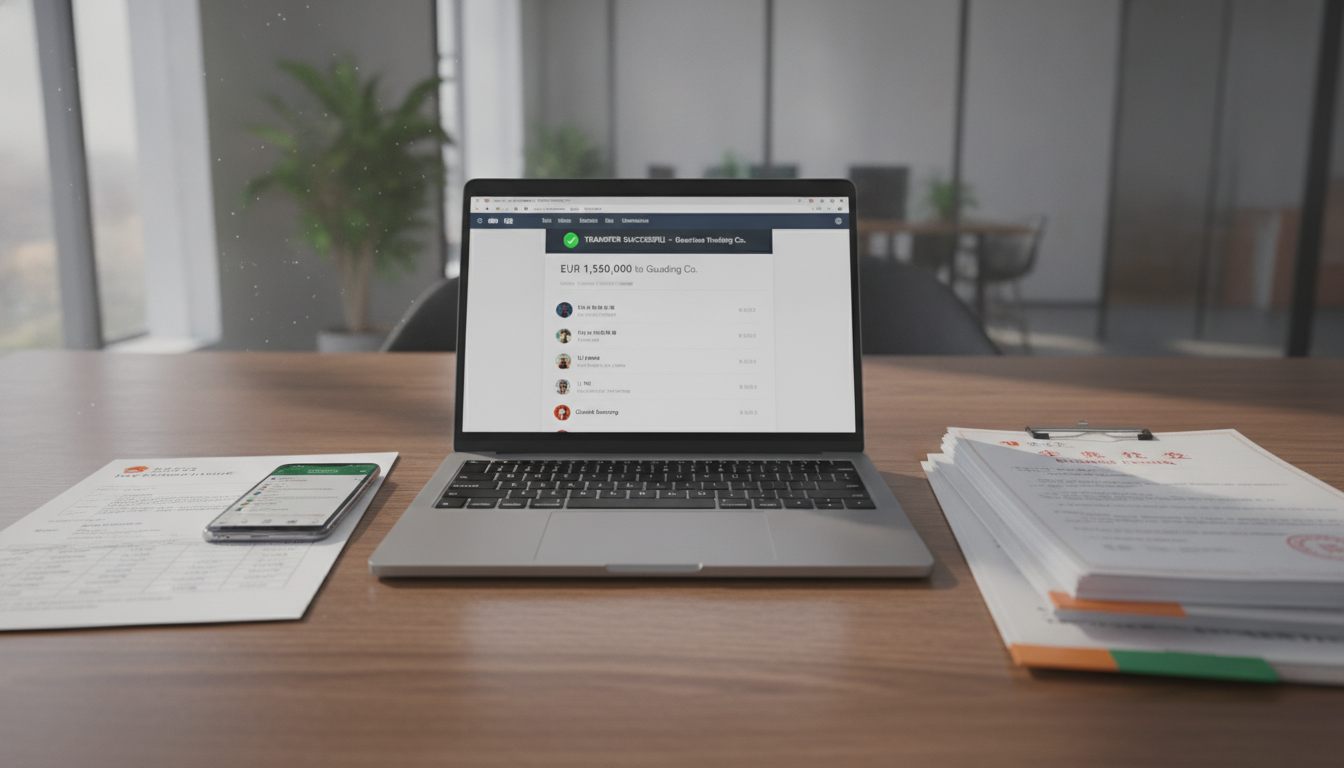
When a supplier disappears after sample payment legal recourse begins with an immediate SWIFT payment recall request to your bank, followed by evidence preservation (contracts, invoices, wire confirmations, chat logs), verification of the supplier’s registered legal entity in China’s National Enterprise Credit Information Publicity System, and a decision between Chinese civil litigation, arbitration under the contract’s dispute-resolution clause, or a criminal fraud complaint to Chinese police if the supplier accepted payment with no intention to perform.
📋 Table of Contents
- Executive Summary
- What Should I Do in the First 72 Hours After a Supplier Disappears?
- What Evidence Do I Need to Preserve for Legal Action?
- Can My Bank Reverse or Recall the Wire Transfer?
- How Do I Verify the Supplier’s Legal Identity in China?
- What Are My Options for Chinese Civil Litigation or Arbitration?
- When Should I File a Criminal Fraud Complaint in China?
- What If I Paid Through a Sourcing Agent or Trading Company?
- Does Legal Action Make Economic Sense for Small Sample Payments?
- How Can I Prevent This in Future Transactions?
- Key Takeaways
- Frequently Asked Questions
Executive Summary
- Immediate bank action: Request a SWIFT recall or payment trace within 24-72 hours; success depends on whether the receiving bank has already released funds to the beneficiary account.
- Evidence preservation: Collect and timestamp all contracts, pro forma invoices, wire transfer confirmations, WeChat or WhatsApp chat logs, email threads, and supplier business registration documents before any legal filing.
- Supplier identity verification: Cross-check the payment beneficiary name and bank account against the supplier’s registered legal entity in China’s National Enterprise Credit Information Publicity System to identify payment diversion or shell-company fraud.
- Legal pathways: Choose between Chinese civil litigation for contract breach, arbitration if your contract includes a dispute-resolution clause, or a criminal fraud complaint to Chinese police when evidence suggests intentional deception rather than ordinary non-performance.
- Economic threshold: Legal action for sample payments below $2,000-3,000 often costs more in attorney fees, translation, notarization, and time than the potential recovery, making prevention and marketplace dispute mechanisms more rational for small claims.
What Should I Do in the First 72 Hours After a Supplier Disappears?
The first 72 hours determine whether funds can be intercepted before they move beyond recovery. Speed matters because Chinese banks process international wire transfers within 1-3 business days, and once funds leave the receiving bank’s clearing account the recall window closes.
Contact Your Bank Immediately
Call your bank’s wire transfer department and request a SWIFT payment recall or trace. Provide the wire confirmation number, beneficiary bank name, account number, and transaction date. The bank will contact the intermediary and receiving banks to request a return. According to Platton (2026), the Financial Fraud Kill Chain froze $172 million across 326 international cases in 2025, illustrating that rapid bank intervention can sometimes preserve funds before they are moved. Success depends on timing and whether the receiving bank cooperates; Chinese banks are not obligated to honor recall requests once funds have been released to the account holder.
Preserve All Communication Records
Screenshot and download every WeChat message, WhatsApp chat, email thread, and voice call log with the supplier. Export chat histories with timestamps intact. Save the supplier’s profile information, including any business cards, company seals, or registration certificates they provided. These records establish the timeline of promises, payment requests, and subsequent silence.
Document the Payment Trail
Gather your wire transfer confirmation, the pro forma invoice or purchase order the supplier issued, and any contracts or terms-and-conditions documents you signed. Note the exact beneficiary name, bank account number, and bank branch on the wire confirmation. Compare this information against the supplier’s registered business name to identify discrepancies that signal payment diversion or a shell company.
Attempt Direct Contact Through Multiple Channels
Try reaching the supplier through every known contact method: the original sales representative’s mobile number, the company’s listed phone number, email addresses, and messaging apps. If the supplier operates through Alibaba, 1688, or another marketplace, escalate through the platform’s dispute mechanism immediately. Document every contact attempt with date, time, method, and result.
What Evidence Do I Need to Preserve for Legal Action?
Chinese courts and police require specific documentation to establish jurisdiction, prove the transaction occurred, and demonstrate the supplier’s breach or fraudulent intent. Missing or incomplete evidence weakens your case and may result in dismissal.
Notarization and Translation Requirements
If you pursue litigation or arbitration in China, foreign-language documents must be translated into Chinese by a certified translator and notarized. Some courts require apostille certification or consular legalization depending on whether your country is a signatory to the Hague Apostille Convention. Budget $50-150 per document for translation and notarization, and allow 2-4 weeks for processing.
Timestamping Digital Evidence
Chinese courts increasingly accept digital evidence, but screenshots and chat logs must be timestamped and authenticated. Use a notary public or a blockchain timestamping service to create a verifiable record of when you captured the evidence. Some Chinese courts accept WeChat’s built-in export function as sufficient authentication if the export includes the original message metadata.
Can My Bank Reverse or Recall the Wire Transfer?
A SWIFT payment recall is a request, not a reversal, and success depends on the receiving bank’s willingness to cooperate and whether funds remain in the beneficiary account. International wire transfers are not protected by the same consumer-fraud mechanisms that cover credit card payments or domestic ACH transfers.
SWIFT Recall Process
Your bank sends a SWIFT MT192 message to the beneficiary bank requesting a return of funds. The beneficiary bank investigates whether the account holder agrees to return the payment. If the supplier refuses or the funds have already been withdrawn, the recall fails. The process takes 5-15 business days, and your bank may charge a $25-50 investigation fee regardless of outcome.
Payment Trace vs. Recall
A payment trace (SWIFT MT196) tracks where the funds went but does not request a return. Use a trace when you suspect payment diversion, where the wire was sent to an account different from the supplier’s registered bank account. The trace report shows the beneficiary account holder’s name, which you can compare against the supplier’s business license to identify fraud.
When Banks Freeze Accounts
Chinese banks may freeze an account if they receive a police investigation notice or a court asset-preservation order. This requires you to file a formal complaint with Chinese authorities, which takes weeks to months. The freeze prevents the supplier from withdrawing funds but does not automatically return money to you; recovery still requires a court judgment or criminal restitution order.
Credit Card and PayPal Protections
If you paid the sample fee through a credit card or PayPal rather than a wire transfer, file a chargeback dispute immediately. Credit card networks allow disputes within 60-120 days of the transaction, and the burden of proof shifts to the supplier to demonstrate they fulfilled the order. PayPal’s Buyer Protection covers goods not received for up to 180 days. These mechanisms work best for small sample payments under $2,500.
How Do I Verify the Supplier’s Legal Identity in China?
Many supplier disappearances involve payment diversion, where the wire was sent to a shell company, a personal account, or a third-party trading company rather than the manufacturer you negotiated with. Verifying the supplier’s legal identity before payment prevents this, but post-payment verification helps you determine whether you have a civil breach-of-contract case or a criminal fraud case.
National Enterprise Credit Information Publicity System
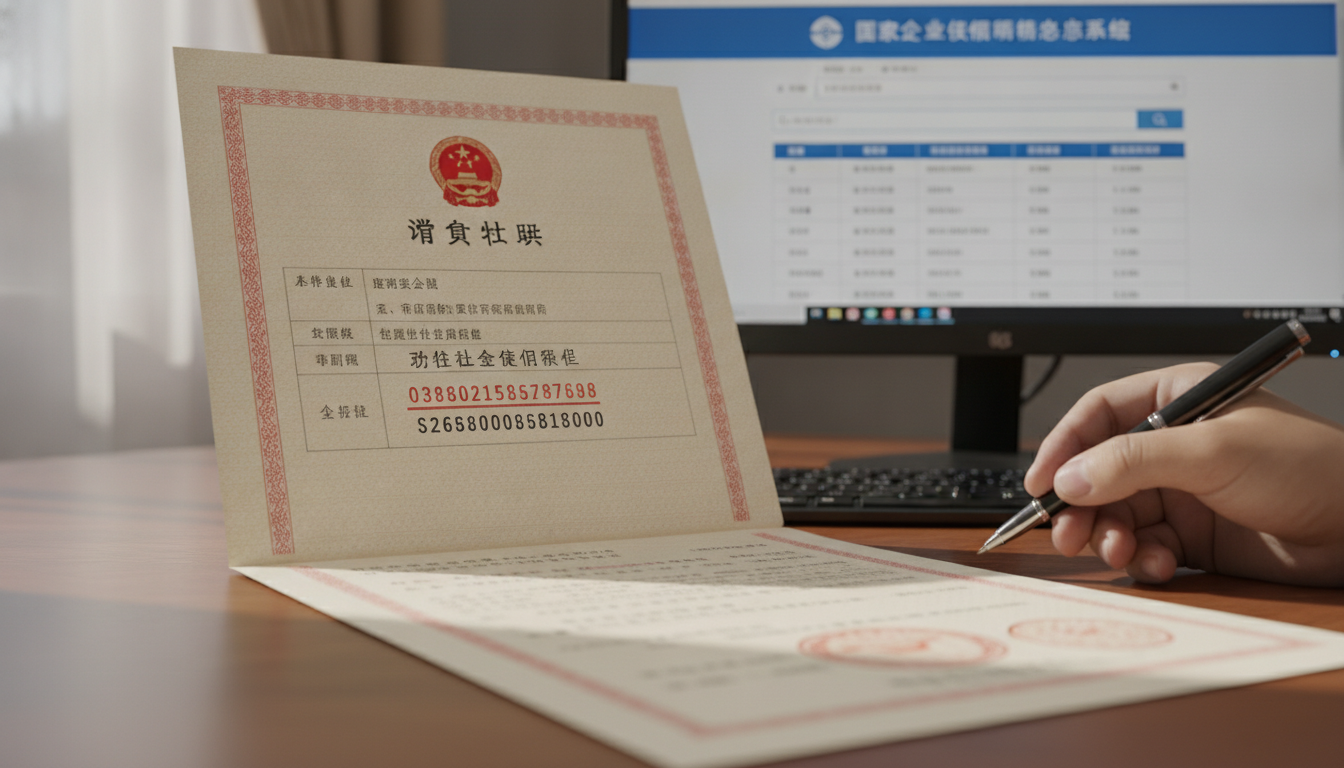
China’s National Enterprise Credit Information Publicity System (gsxt.gov.cn) is the official registry of all registered businesses. Search by company name or Unified Social Credit Code to retrieve the supplier’s business license, registered address, legal representative, registered capital, business scope, and shareholder structure. The record shows whether the company exists, is in good standing, or has been flagged for violations.
Beneficiary Name Mismatch
Compare the beneficiary name on your wire transfer confirmation against the registered company name in the enterprise registry. A mismatch indicates payment diversion. Common fraud patterns include wiring to a personal account, a Hong Kong shell company with a similar name, or a trading company that has no legal relationship with the manufacturer. Document the mismatch as evidence of fraud rather than ordinary breach of contract.
Business Scope Verification
The business license lists the exact scope of activities the company is legally permitted to conduct. If the supplier’s registered scope does not include manufacturing or trading the product category you ordered, the company is operating outside its license or is a shell entity. This distinction matters for criminal complaints, where operating without a valid license strengthens the fraud allegation.
Registered Address Site Visit
If the supplier’s registered address is accessible, a site visit or third-party verification service can confirm whether the company operates at that location. Many shell companies register at virtual office addresses or use a nominee’s residential address. A supplier verification service includes on-site inspection of the registered address, factory premises, and business license authenticity.
What Are My Options for Chinese Civil Litigation or Arbitration?
When a supplier disappears after sample payment legal recourse through Chinese courts or arbitration depends on the dispute-resolution clause in your contract, the supplier’s registered location, and the economic viability of pursuing a claim for the amount at stake.
Jurisdiction and Venue
Chinese courts have jurisdiction over contracts where the supplier is registered in China or where the contract was performed in China. The specific court depends on the supplier’s registered address: you file in the Intermediate People’s Court or Basic People’s Court in the district where the supplier’s business license shows its legal domicile. If your contract includes a jurisdiction clause specifying a different Chinese city, that clause controls.
Arbitration Under Contract Terms
If your contract includes an arbitration clause naming a Chinese arbitration commission (such as CIETAC, BAC, or SHIAC), you must pursue arbitration rather than litigation. Arbitration is faster than court litigation, typically resolving in 6-12 months versus 12-24 months for a court case, but arbitration filing fees are higher. The arbitration award is enforceable in China and in countries that are signatories to the New York Convention, including most of Latin America and Europe.
Filing a Civil Lawsuit
To file a civil lawsuit in a Chinese court, you need a Chinese attorney licensed to practice in the jurisdiction where the supplier is registered. The attorney prepares a complaint, attaches the evidence package, and files with the court. Filing fees are calculated as a percentage of the claim amount, typically 0.5-2.5% with a minimum of 50 RMB and a maximum of 200,000 RMB. The court schedules a hearing, and if the supplier fails to appear the court may issue a default judgment.
Asset Preservation Orders
Before or immediately after filing, you can request an asset preservation order to freeze the supplier’s bank accounts, real property, or inventory. The court requires you to post a bond, typically 30% of the claim amount, to cover potential damages if the preservation order is later found to be unjustified. The freeze prevents the supplier from dissipating assets while the case proceeds, but it does not guarantee recovery if the supplier has no assets.
Judgment Enforcement
Winning a judgment does not automatically result in payment. You must apply to the court for enforcement, and the court’s enforcement bureau investigates the supplier’s assets. If the supplier has no bank balance, no real property, and no inventory, the judgment is uncollectible. China’s social credit system penalizes judgment debtors by restricting their ability to travel, borrow, or register new businesses, but this does not put money in your account.
When Should I File a Criminal Fraud Complaint in China?
A criminal fraud complaint to Chinese police is appropriate when evidence suggests the supplier accepted payment with no intention to perform, used false identity documents, or operated a shell company to collect deposits from multiple buyers. Criminal complaints are distinct from civil breach-of-contract cases and carry the possibility of asset seizure and restitution.
Fraud vs. Breach of Contract
Chinese law distinguishes between ordinary breach of contract, where a supplier fails to deliver due to cash flow problems or production delays, and criminal fraud, where the supplier never intended to fulfill the order. Evidence of fraud includes using a fake business license, providing a false factory address, accepting payments from multiple buyers for the same non-existent goods, or disappearing immediately after receiving payment with no attempt to communicate.
Filing a Police Report
File the complaint at the Economic Crime Investigation Division of the Public Security Bureau in the district where the supplier is registered or where the fraud occurred. Foreign buyers can file directly or through a Chinese attorney. The police require the same evidence package you assembled for civil litigation: contracts, payment records, supplier identity documents, and communication logs. The police decide whether to open an investigation based on the evidence and the amount involved; cases under 10,000 RMB are often declined.
Criminal Investigation and Asset Freezing
If the police open an investigation, they can freeze the supplier’s bank accounts and seize physical assets without requiring you to post a bond. The investigation may take 6-18 months. If the police gather sufficient evidence, they refer the case to the procuratorate for prosecution. A criminal conviction can result in imprisonment and a restitution order requiring the supplier to repay victims.
Restitution vs. Civil Judgment
Criminal restitution is ordered as part of the criminal sentence and is enforced by the court’s criminal division. Restitution takes priority over civil judgments, meaning if the supplier has limited assets, criminal victims are paid first. However, restitution is not guaranteed even with a conviction; if the supplier has no recoverable assets, you receive nothing.
What If I Paid Through a Sourcing Agent or Trading Company?
When payment was made to a sourcing agent, trading company, or freight forwarder rather than directly to the manufacturer, liability depends on the contractual relationship and whether the intermediary acted as an agent or a principal.
Agent vs. Principal Distinction
If the intermediary acted as your agent, they have a fiduciary duty to forward your payment to the supplier and to act in your interest. If the intermediary acted as a principal, they purchased goods from the supplier and resold them to you, and your contract is with the intermediary, not the manufacturer. The distinction determines who you sue: in an agency relationship you may have claims against both the agent and the supplier; in a principal relationship your only claim is against the intermediary.
Sourcing Agent Liability
A China sourcing agent who collects payment on behalf of a supplier and then fails to forward it, or who recommends a fraudulent supplier without conducting due diligence, may be liable for negligence or breach of fiduciary duty. Your contract with the agent should specify their obligations, including supplier verification standards and payment handling procedures. If the agent forwarded your payment to the supplier and the supplier disappeared, the agent is generally not liable unless they failed to verify the supplier’s legitimacy as promised.
Trading Company Liability
If you contracted with a trading company and paid them directly, the trading company is your counterparty and is liable for non-delivery regardless of whether their upstream supplier performed. You sue the trading company for breach of contract, and the trading company’s dispute with their supplier is a separate matter. Verify the trading company’s registered business scope includes trading the product category you ordered; operating outside scope is evidence of fraud.
Escrow and Payment Platform Protections
If payment was made through Alibaba Trade Assurance, PayPal, or another escrow service, file a dispute through the platform immediately. These platforms hold funds until delivery is confirmed and offer refund mechanisms for non-delivery. Alibaba Trade Assurance covers orders up to the insured amount and requires the supplier to provide shipping documents to release funds. PayPal Buyer Protection covers goods not received for transactions under $10,000.
Does Legal Action Make Economic Sense for Small Sample Payments?
Legal action for sample payments under $2,000-3,000 often costs more than the potential recovery. Attorney fees, translation, notarization, travel, and time investment must be weighed against the likelihood of collecting a judgment.
When to Pursue Legal Action
Legal action makes economic sense when the claim amount exceeds $5,000, you have strong documentary evidence, the supplier has identifiable assets, and you are prepared to invest 12-24 months in the process. If the supplier is a registered company with real property, inventory, or bank accounts, a judgment has recovery value. If the supplier is a shell company with no assets, even a successful judgment is worthless.
When to Write Off the Loss
For sample payments under $2,000, the rational decision is often to write off the loss, document the fraud for future reference, and invest in prevention for the next transaction. The time and legal costs exceed the recovery potential, and small claims are unlikely to receive priority attention from Chinese police or courts.
Alternative Dispute Resolution
If the supplier is registered on Alibaba, 1688, or another marketplace, escalate through the platform’s dispute resolution mechanism. Alibaba’s internal arbitration is faster and cheaper than court litigation, and the platform can suspend the supplier’s account or withhold their deposits. If you paid through a credit card or PayPal, the chargeback or buyer protection process is your most cost-effective remedy.
How Can I Prevent This in Future Transactions?
Prevention is more cost-effective than legal recourse. Supplier verification, payment structure, and contract terms eliminate most disappearance risks before any money moves.
Pre-Payment Supplier Verification
Verify the supplier’s business license, registered address, and bank account before sending any payment. Request a copy of the business license and cross-check it against the National Enterprise Credit Information Publicity System. Confirm the bank account holder name matches the registered company name. A factory audit and verification service includes on-site inspection, business license authentication, and production capacity assessment.
Split Payment Terms
Structure payments in stages tied to milestones: 30% deposit, 40% upon sample approval, 30% before shipment. This limits your exposure if the supplier fails to perform. For first-time orders, request sample production before paying the full sample fee, or use a smaller test order to verify the supplier’s reliability before committing to larger volumes.
Escrow and Trade Assurance
Use Alibaba Trade Assurance, PayPal, or a third-party escrow service for sample payments. These platforms hold funds until you confirm receipt and approval, eliminating the risk of paying a supplier who disappears. Trade Assurance covers orders up to the insured amount and provides a refund mechanism for non-delivery or quality disputes.
Contract Terms and Dispute Resolution
Include a clear dispute-resolution clause specifying arbitration in a neutral location (such as Hong Kong or Singapore) or in a Chinese city where you have legal representation. Specify that the contract is governed by Chinese law or the law of your home country, depending on where enforcement is more practical. Require the supplier to provide a performance bond or bank guarantee for orders above a threshold amount.
Third-Party Verification and Sourcing Agents
A trusted sourcing agent with a physical presence in China conducts supplier verification, factory audits, and payment oversight as part of their service. The agent’s local team visits the factory, verifies the business license, and ensures payment goes to the correct entity. Our Yiwu and Guangzhou sourcing desks run factory audits and quality inspections across consumer-goods categories, and our 23+ years of export experience includes supplier verification protocols that separate real manufacturers from trading companies and shell entities.
Key Takeaways
- Immediate bank recall: Request a SWIFT payment recall or trace within 24-72 hours; success depends on whether the receiving bank has released funds, and the beneficiary bank is not obligated to honor the recall request.
- Evidence chronology: Preserve contracts, wire confirmations, chat logs, and supplier identity documents with timestamps; Chinese courts require notarized translations of foreign-language evidence, and digital evidence must be authenticated.
- Beneficiary verification: Cross-check the wire transfer beneficiary name against the supplier’s registered business name in China’s National Enterprise Credit Information Publicity System; a mismatch indicates payment diversion or shell-company fraud.
- Civil vs. criminal pathways: Civil litigation or arbitration addresses breach of contract and takes 12-24 months; a criminal fraud complaint to Chinese police is appropriate when evidence shows intentional deception, and can result in asset freezing and restitution.
- Economic threshold for legal action: Legal costs for Chinese litigation typically range from $3,500 to $9,800, making court action irrational for sample payments under $2,000-3,000; marketplace disputes, chargebacks, and prevention are more cost-effective for small claims.
- Prevention through verification: Pre-payment supplier verification, split payment terms, escrow services, and factory audits eliminate most disappearance risks; a sourcing agent’s on-site verification confirms the supplier’s legal identity and production capacity before any deposit moves.
Frequently Asked Questions
Can I sue a Chinese supplier in my home country instead of in China?
You can file a lawsuit in your home country if your contract includes a jurisdiction clause allowing it, but enforcing a foreign judgment in China is extremely difficult. China is not a signatory to most international judgment-recognition treaties, so a judgment from a Mexican, Colombian, or European court has no automatic enforcement power in China. You would need to re-litigate the case in a Chinese court to enforce against the supplier’s Chinese assets. The more practical approach is to pursue arbitration under a clause naming a Chinese arbitration commission, or to file directly in a Chinese court where the supplier is registered, so the judgment is immediately enforceable in China.
How long does a criminal fraud investigation take in China?
A criminal fraud investigation by Chinese police typically takes 6-18 months from the initial complaint to a decision on whether to prosecute. The police have discretion to decline cases they consider too small or lacking sufficient evidence, and cases under 10,000 RMB are often not pursued. If the police open an investigation, they can freeze the supplier’s bank accounts immediately, which is faster than obtaining a civil asset-preservation order. However, a criminal investigation does not guarantee restitution; even if the supplier is convicted, you only recover funds if the supplier has identifiable assets that the court can seize.
What happens if the supplier’s business license is fake or expired?
If the supplier provided a fake or expired business license, this is strong evidence of criminal fraud rather than ordinary breach of contract. Operating without a valid business license is illegal in China, and using a fake license to solicit payments is prosecutable fraud. Document the fake license by cross-checking it against the National Enterprise Credit Information Publicity System, and include this evidence in your criminal complaint to Chinese police. A fake license also means the supplier has no legal entity to sue in civil court, so criminal prosecution and asset seizure through police investigation is your primary recourse. This scenario underscores the importance of verifying the business license before sending any payment.
Protect your next order with verified supplier screening and secure payment protocols.
Request a Supplier Verification Audit →
Written by the Goodcantrading Sourcing Team.