Product Sourcing Companies: 2026 Buyer’s Guide to Reliable China Agents
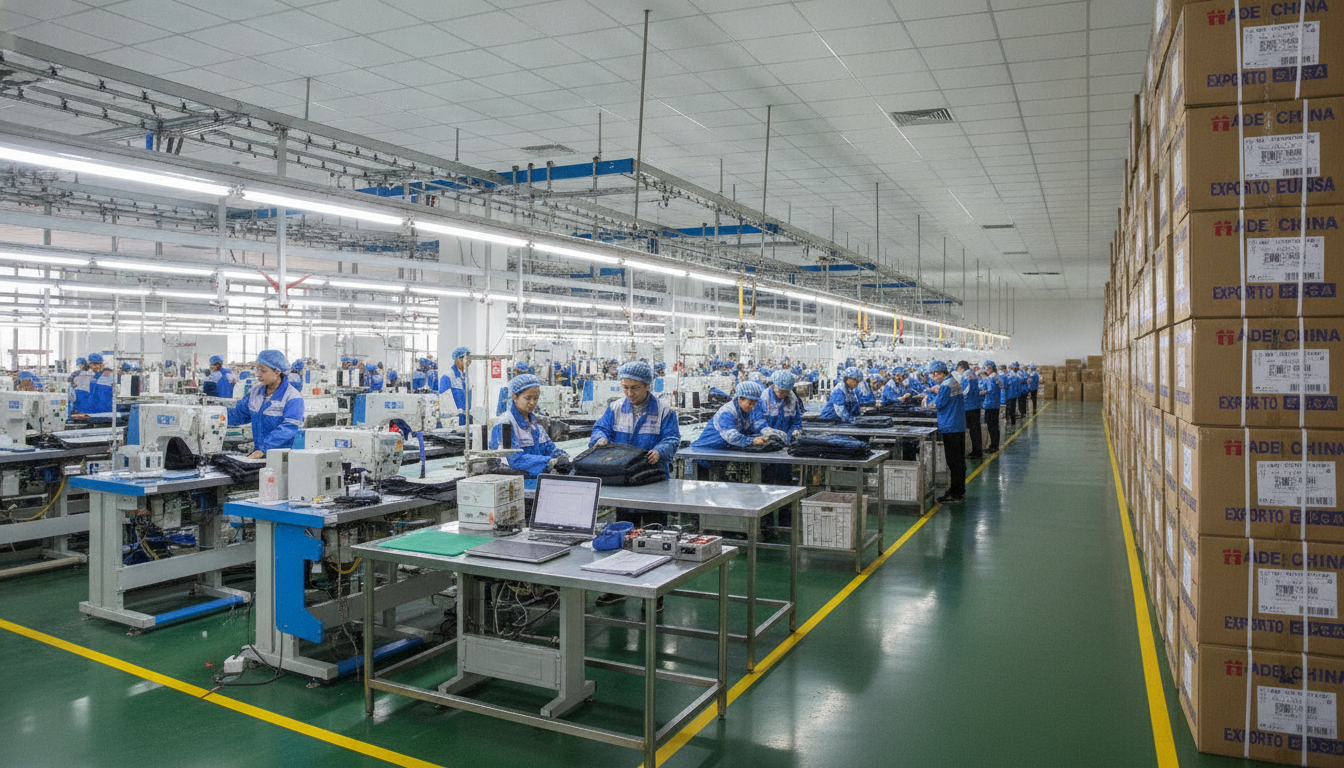
Product sourcing companies are third-party specialists that connect importers with Chinese manufacturers, handling supplier verification, price negotiation, quality control, and logistics coordination. They operate on commission (typically 3-7% of order value) or fixed fees, and maintain local offices in key manufacturing hubs like Yiwu, Guangzhou, and Shenzhen to conduct factory audits and on-site inspections that remote buyers cannot perform themselves.
📋 Table of Contents
Executive Summary
- Core function: Product sourcing companies act as local representatives in China, performing factory audits, sample coordination, production monitoring, and consolidated shipping that remote importers cannot execute directly.
- Fee structures: Commission-based models range from 3% to 7% of order value, while fixed-fee arrangements charge per service (audit, inspection, sample run) and suit buyers who order irregularly or in small volumes.
- Verification depth: Business licence scope matching, export history checks, and on-site capacity audits separate real factories from trading companies that resell without production capability.
- Language barriers: Multilingual teams fluent in Spanish, French, and English reduce miscommunication during technical spec negotiation, sample approval, and order changes.
- Payment terms: Qualifying buyers may access 90-120 day open account settlement, reducing upfront capital requirements and improving cash flow for repeat orders.
What Product Sourcing Companies Do
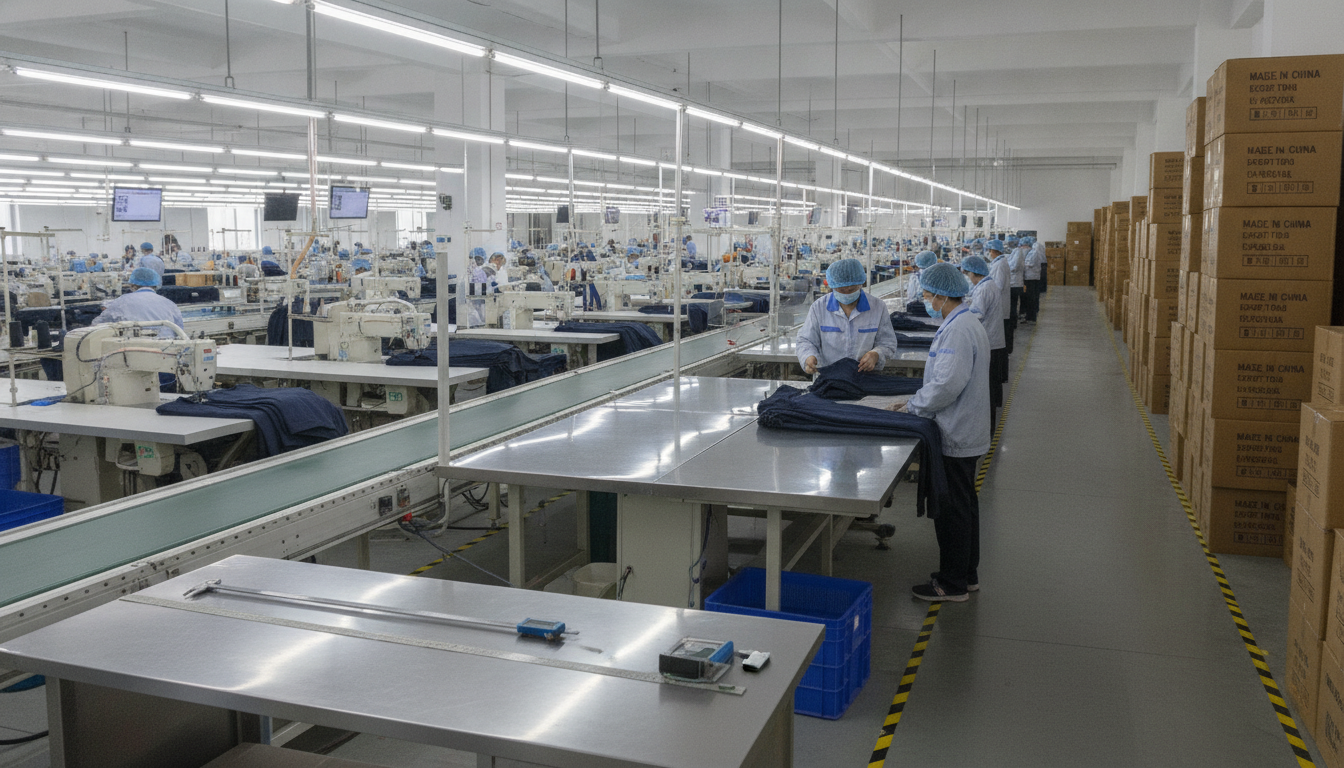
Product sourcing companies bridge the operational gap between overseas buyers and Chinese factories. They maintain physical offices in manufacturing regions, allowing them to visit production floors, inspect samples in person, and verify export documentation that online platforms cannot authenticate. A trusted China sourcing agent performs tasks that remote buyers find difficult or impossible: walking factory floors to confirm machinery matches quoted capacity, cross-checking business licence production scope against the product being quoted, and conducting pre-shipment inspections before final payment releases.
Supplier Discovery and Shortlisting
Sourcing teams use regional factory databases, trade fair contacts, and industrial-zone relationships to identify manufacturers that match the buyer’s product category, MOQ tolerance, and certification requirements. They filter out trading companies posing as factories by requesting business licences and comparing registered production scope against the quoted item. A business licence that lists “trading” or “import-export” without manufacturing scope indicates a middleman, not a producer.
Price Negotiation and Quote Transparency
Agents obtain quotes from multiple factories, then negotiate volume discounts, payment terms, and tooling costs. They separate supplier price, agent commission, inspection fees, and logistics costs into line items, so buyers see exactly where each dollar goes. Bundled quotes that mix factory cost with service fees create confusion and make it difficult to compare offers across agents or direct factory approaches.
Quality Control and Production Monitoring
On-site QC inspections catch defects, packaging errors, and specification drift before goods leave the factory. Quality control services include pre-production sample approval, during-production random checks, and final random inspection using AQL sampling standards. Inspectors photograph defects, measure dimensions, test functionality, and issue pass/fail reports that buyers review before authorizing shipment.
Logistics Coordination and Customs Documentation
Sourcing companies arrange freight forwarding, consolidate shipments from multiple suppliers into a single container, and prepare commercial invoices, packing lists, and certificates of origin required for customs clearance. They coordinate port pickup, book shipping lines, and track containers in transit. For buyers in Mexico, Colombia, Argentina, Chile, and Brazil, agents familiar with local import regulations prepare documentation that matches customs requirements, reducing clearance delays and penalty risk.
How Sourcing Companies Charge
Fee models vary by service scope, order frequency, and buyer volume. Understanding each structure helps importers compare total landed cost accurately and avoid hidden charges that surface after the first order.
Commission Transparency
Reputable agents disclose their commission rate upfront and show it as a separate line on the invoice. Buyers should request a breakdown that lists factory FOB price, agent commission, inspection cost, and freight separately. Agents who refuse to itemize fees or who quote a single all-in price make it impossible to verify whether the factory price is competitive or inflated to hide a higher commission.
Hidden Costs to Watch
Some sourcing companies add charges for sample shipping, mold adjustments, or rush production without stating them in the initial quote. Buyers should ask for a complete fee schedule before signing a service agreement, covering scenarios like order cancellations, specification changes after sample approval, and storage fees for delayed shipments. Clear documentation of what is included and what triggers extra charges prevents disputes later.
Verification Steps That Matter
Supplier verification separates legitimate factories from shell companies, trading intermediaries, and fraudulent operations. Buyers who skip these checks often discover problems only after payment, when recovering funds or switching suppliers becomes difficult and expensive.
Business Licence Scope Check
Every Chinese company holds a business licence issued by the local Administration for Industry and Commerce. The licence lists the exact business scope the company is permitted to conduct. A factory’s scope must include manufacturing or production of the specific product category being quoted. A licence that lists only “trading” or “consulting” indicates the company is a middleman, not a manufacturer. Supplier management begins with requesting a copy of the business licence and verifying that the registered scope matches the product.
Export History and Customs Records
Factories with genuine export experience appear in customs databases and hold records of past shipments. Agents can request export declarations or bills of lading from previous orders to confirm the supplier has shipped similar products internationally. A factory claiming years of export experience but unable to provide any shipment documentation raises a red flag.
On-Site Factory Audit
Physical visits to the production facility reveal capacity, equipment condition, workforce size, and quality control systems. Auditors check whether machinery matches the quoted production method, whether the factory holds relevant certifications displayed on-site, and whether the facility layout supports the claimed output volume. Photos and video walkthroughs provide evidence that the audit occurred and that the factory exists as described.
Sample Production and Testing
Pre-production samples confirm the factory can manufacture the product to specification before bulk orders begin. Buyers should test samples for functionality, durability, and compliance with target-market regulations. Samples that pass initial inspection but differ significantly in bulk production indicate poor process control or intentional spec drift, both of which sourcing companies monitor through during-production checks.
Multilingual Support for Latin America and Europe
Language barriers slow communication, create misunderstandings in technical specifications, and delay order changes. Product sourcing companies with multilingual teams reduce these friction points by translating between buyers and factories in real time, ensuring that product requirements, quality standards, and shipping instructions are understood correctly by both parties.
Spanish and French Fluency
Importers in Mexico, Colombia, Argentina, Chile, Brazil, France, Belgium, and French-speaking Africa benefit from agents who speak their native language fluently. Technical discussions about fabric weight, packaging dimensions, or certification requirements become clearer when both buyer and agent share a common language, reducing the risk of specification errors that lead to rejected shipments or costly rework.
Time Zone Coordination
Sourcing teams in China operate during Asian business hours, while buyers in Latin America and Europe work in time zones 11-15 hours behind. Multilingual agents often schedule communication windows that overlap with buyer availability, responding to urgent questions about sample approval or production delays within the same business day rather than waiting 24 hours for the next cycle.
Cultural and Commercial Norms
Negotiation styles, payment expectations, and quality standards differ between regions. Agents familiar with both Chinese manufacturing practices and Latin American or European buyer expectations bridge these gaps, explaining why a factory requests a 30% deposit (standard in China) or why a buyer insists on third-party inspection before final payment (common in international trade). This cultural translation prevents misunderstandings that can derail negotiations or damage buyer-supplier relationships.
When to Use a Sourcing Company
Not every import scenario requires a sourcing agent. Buyers who already have trusted factory relationships, who order standard products in high volumes, or who maintain their own quality control staff in China may find direct purchasing more cost-effective. However, specific situations make product sourcing companies a practical choice.
First-Time Importers
Buyers placing their first order from China lack the factory network, verification experience, and logistics knowledge to navigate the process alone. Sourcing agents provide a structured path from product search to delivery, reducing the risk of fraud, quality failures, and customs problems that often plague first orders. The agent’s commission is often lower than the cost of mistakes a first-time buyer would make without guidance.
Complex or Regulated Products
Items requiring certifications (CE, FCC, NOM, INMETRO), custom tooling, or multi-component assembly benefit from sourcing companies that understand compliance requirements and can coordinate between multiple factories. Agents verify that each component meets specifications, that certifications are genuine and current, and that final assembly matches approved samples. This coordination becomes difficult for buyers managing multiple suppliers remotely.
Small to Medium Order Volumes
Factories often prioritize large buyers who place regular orders. Smaller importers struggle to get factory attention, negotiate favorable terms, or secure production slots during peak seasons. Sourcing companies aggregate orders from multiple small buyers, giving each client access to factory capacity and pricing that would otherwise require much larger volumes. This aggregation also enables warehouse consolidation, where shipments from several suppliers combine into a single container, reducing per-unit freight costs.
Seasonal or Irregular Orders
Buyers who import once or twice per year, or who test new products before committing to regular orders, find fixed-fee sourcing services more practical than building their own China operations. Paying for verification, inspection, and logistics coordination on a per-project basis avoids the overhead of maintaining full-time staff or long-term supplier relationships that may not continue beyond the initial order.
Key Takeaways
- Local presence matters: Sourcing companies with offices in Yiwu, Guangzhou, and other manufacturing hubs conduct on-site factory audits, pre-shipment inspections, and real-time production monitoring that remote buyers cannot perform, catching quality issues and supplier fraud before payment releases.
- Fee transparency prevents disputes: Reputable agents separate factory FOB price, commission, inspection costs, and freight into distinct line items, allowing buyers to verify competitive pricing and compare total landed cost across multiple sourcing options.
- Business licence scope verification: Checking that a supplier’s registered business scope includes manufacturing of the specific product category being quoted identifies trading companies posing as factories, reducing the risk of paying middleman markups or dealing with suppliers who lack production control.
- Multilingual teams reduce errors: Agents fluent in Spanish, French, and English translate technical specifications, quality standards, and shipping instructions accurately between buyers and factories, preventing miscommunication that leads to rejected shipments or costly rework.
- Open account terms available: Qualifying buyers may access 90-120 day payment terms on repeat orders, improving cash flow and reducing upfront capital requirements compared to standard 30% deposit and 70% pre-shipment payment structures.
- Consolidation lowers freight costs: Sourcing companies combine shipments from multiple suppliers into a single container, reducing per-unit shipping expenses and simplifying customs clearance for buyers ordering from several factories simultaneously.
FAQ
What is the difference between a sourcing agent and a trading company?
A sourcing agent works on behalf of the buyer, earning a transparent commission or fixed fee to find factories, verify suppliers, and coordinate logistics. A trading company buys products from factories and resells them to importers at a markup, acting as the seller rather than the buyer’s representative. Trading companies rarely disclose the original factory price or allow direct factory contact, while sourcing agents provide full transparency and connect buyers directly with manufacturers after verification is complete.
How do I verify a sourcing company is legitimate before hiring them?
Request the sourcing company’s business registration documents, including their Chinese business licence and any overseas legal entity registrations. Ask for references from current clients in your region and product category, then contact those references directly to ask about communication quality, fee transparency, and problem resolution. Check whether the company maintains a physical office in a major sourcing hub like Yiwu or Guangzhou, and verify that office address through independent searches or video calls showing the office interior and signage.
Can a sourcing company help with customs clearance in my country?
Sourcing companies prepare export documentation from China, including commercial invoices, packing lists, certificates of origin, and product certifications required by your country’s customs authority. They coordinate with freight forwarders who handle the physical shipping and customs brokerage at the destination port. However, the sourcing company does not act as your customs broker or importer of record; you or your designated broker must clear the goods through customs, pay applicable duties and taxes, and ensure compliance with local import regulations specific to your product category.
Ready to connect with verified Chinese factories and streamline your sourcing process?
Request a Free Supplier Audit →
Written by the Goodcantrading Sourcing Team.