China Quality Inspection Service: 2026 Buyer’s Guide
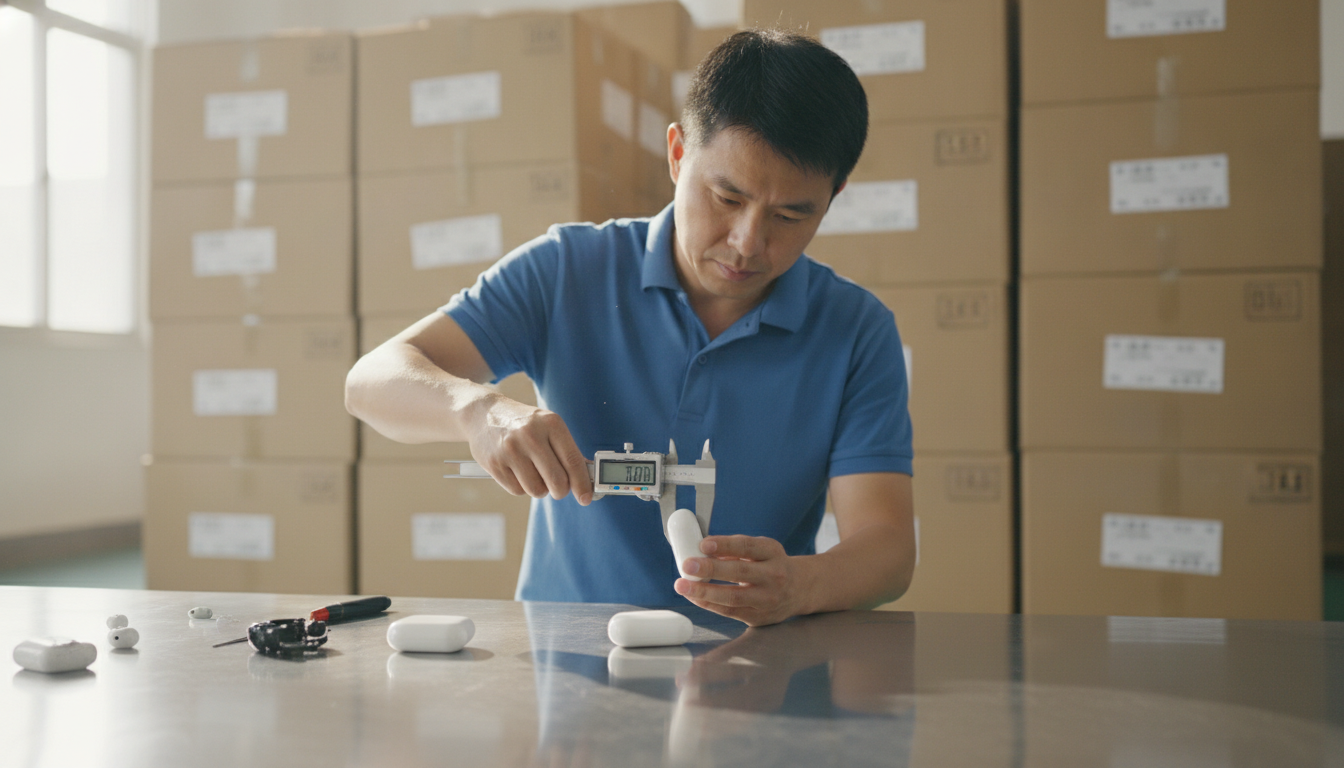
A china quality inspection service is a third-party verification performed at your supplier’s factory to identify defects, confirm specifications, and ensure compliance before goods ship. Inspectors use AQL sampling standards, deliver photo reports within 24 hours, and cost from $188 per man-day according to China Quality Service (2026).
📋 Table of Contents
Executive Summary
- Inspection pricing: Independent inspection packages in China start from $200 per inspection according to ARDI Logistics (2026).
- Report turnaround: Photo-rich inspection reports are delivered within 24 hours in standard service workflows according to China Quality Service (2026).
- AQL standard: AQL sampling is explicitly used for inspection checklists based on ANSI/ASQ Z1.4 according to China Quality Service (2026).
- Man-day rates: Standard factory inspection pricing is commonly cited at US$200 to $350 per man-day according to SourcingXpro (2026).
- Service availability: Product inspection services are advertised from $188 per man-day according to China Quality Service (2026).
What Does a China Quality Inspection Service Check?
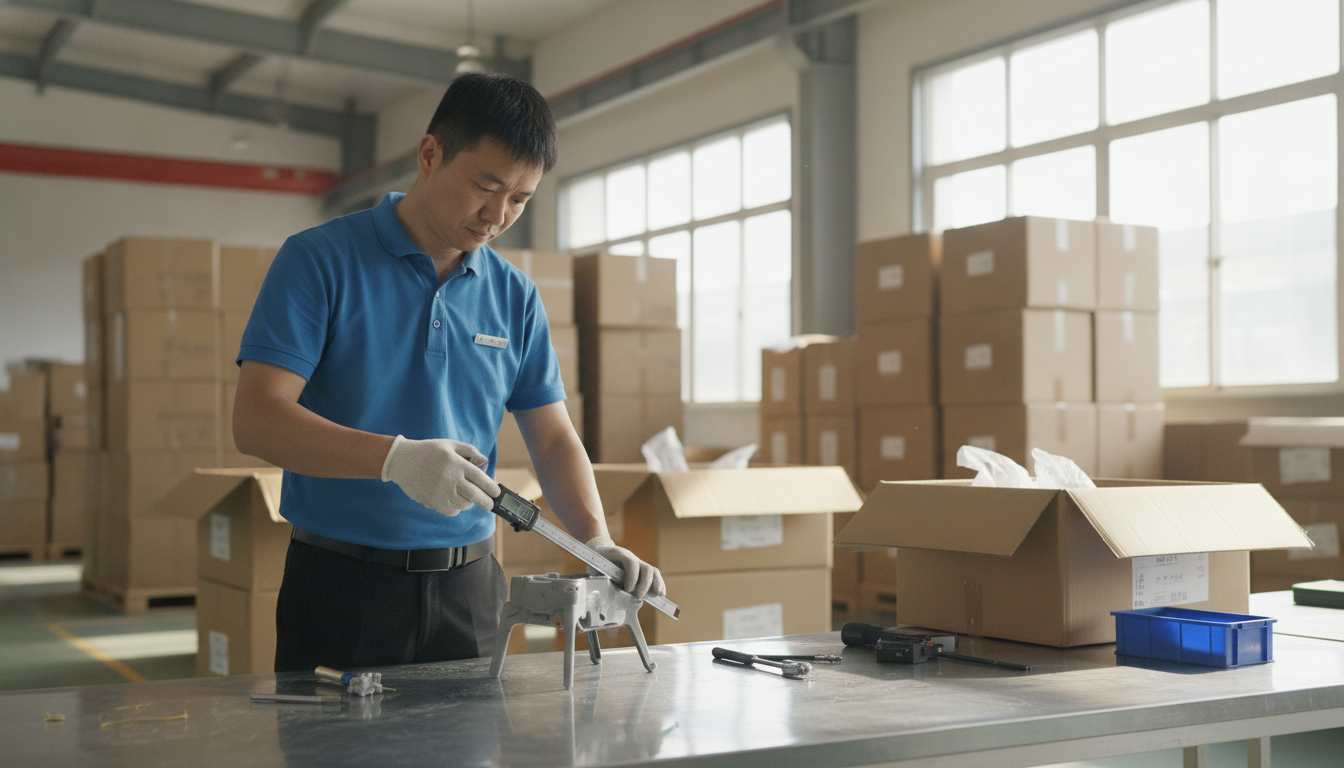
An inspector visits your supplier’s factory and examines random samples from your production batch. The checklist covers product appearance, dimensions, function, packaging, labeling, and carton markings. Inspectors photograph defects, measure critical dimensions with calipers, and test moving parts or electronics where applicable.
Product Appearance and Workmanship
Surface finish, stitching quality, color consistency, and material texture are graded against your approved sample or technical specification. Inspectors flag scratches, dents, stains, misaligned logos, and uneven coatings. Every defect is photographed with a ruler for scale.
Dimensions and Tolerances
Critical measurements are taken with digital calipers and compared to your technical drawing. Tolerances typically range from ±0.5 mm for precision parts to ±2 mm for furniture. Out-of-spec units are counted and classified as critical, major, or minor defects under the AQL framework.
Function and Performance
Mechanical parts are tested for smooth operation, electronic items are powered on and cycled through functions, and textile items are checked for colorfastness and shrinkage. Drop tests, pull tests, and load tests are performed where safety is a concern.
Packaging and Labeling
Carton dimensions, weight, and barcode accuracy are verified. Inner packaging is checked for protective foam, poly bags, and desiccant packs. Labels are cross-checked against your artwork file for SKU, country of origin, and regulatory marks like CE or FCC.
When Should You Book an Inspection?
Timing determines what defects you can still fix. Booking too early means production is incomplete; booking too late means the factory has already packed containers and fixing defects becomes expensive or impossible.
Pre-Production Inspection (PPI)
Schedule this before mass production starts. The inspector verifies raw materials, components, and semi-finished parts against your approved sample. This catches material substitution early, when switching suppliers or batches is still feasible.
During-Production Inspection (DUPRO)
Book when 20-50% of your order is finished. The inspector checks production line setup, worker training, and early output quality. Corrective actions can be applied to the remaining 50-80% of the batch, minimizing scrap and rework costs.
Pre-Shipment Inspection (PSI)
Schedule when 80-100% of goods are finished and at least 80% are packed. This is the most common inspection type. The inspector samples finished cartons, verifies quantity, and confirms the batch is ready to ship. Buyers working with a trusted China sourcing agent typically request PSI as the final gate before payment release.
Container Loading Supervision
Book this if you suspect short-shipping or carton damage during loading. The inspector counts every carton as it enters the container, checks for forklift damage, and photographs the final stow pattern. This service is critical for high-value shipments or suppliers with a history of quantity disputes.
How Much Does Inspection Cost?
Inspection fees are quoted per man-day, with one inspector typically completing a standard consumer-goods inspection in 6-8 hours. Complex products or large SKU counts may require two inspectors or multiple days.
Pricing varies by city. Inspections in Shenzhen, Guangzhou, and Shanghai cost 10-15% more than in Yiwu, Ningbo, or Wenzhou due to higher inspector wages and travel costs. Rush inspections with 12-hour reporting add a 30-50% surcharge.
What Drives Inspection Cost?
- Product complexity: Electronics with functional testing require longer on-site time than apparel or home goods.
- SKU count: Orders with 10+ SKUs need additional sampling and documentation time.
- Factory location: Remote factories in Anhui or Jiangxi add 2-3 hours of inspector travel, billed at half the man-day rate.
- Reporting detail: Custom checklists, multilingual reports, or video documentation increase the base fee by $50 to $100.
Hidden Costs Buyers Miss
Some providers quote low base fees but charge separately for travel, photography, or re-inspection. Buyers discover the factory failed the first inspection and must pay a second $200 fee to verify corrective actions. Transparent providers bundle travel and standard photography into the quoted man-day rate.
In practice: A Colombian furniture importer saved $8,400 by catching undersized plywood in a PPI, avoiding a full production run of non-compliant tables
What Is AQL Sampling?
AQL stands for Acceptable Quality Limit, a statistical sampling method defined in ANSI/ASQ Z1.4 and ISO 2859-1. The inspector randomly selects a sample size based on your batch quantity and acceptable defect rate, then classifies defects as critical, major, or minor.
How Sample Size Is Determined
For a batch of 5,000 units, AQL Level II inspection requires a sample of 200 units. The inspector opens cartons at random, pulls units from different production dates, and examines each against your checklist. Larger batches require proportionally larger samples, but the ratio decreases as volume grows.
Defect Classification
- Critical defects: Safety hazards, regulatory non-compliance, or total product failure. AQL 0 means zero tolerance.
- Major defects: Functional issues or appearance flaws that make the product unsellable. Common AQL is 2.5, allowing 10-14 defective units in a 200-piece sample.
- Minor defects: Cosmetic flaws that do not affect function or salability. Common AQL is 4.0, allowing 14-21 defective units in a 200-piece sample.
Pass, Fail, or On-Hold
If defects exceed the AQL threshold, the batch fails. The factory must rework or replace defective units, and the buyer schedules a re-inspection. If defects are borderline, the inspector may place the batch on hold and recommend a larger sample or 100% sorting.
Inspection Types Explained
Different inspection types serve different risk profiles. First-time buyers with unproven suppliers need more touchpoints; repeat buyers with stable quality may skip PPI and DUPRO.
Pre-Production Inspection (PPI)
The inspector verifies raw materials, components, and your approved sample are present at the factory. This catches material substitution, counterfeit components, and incorrect specifications before production starts. PPI is critical for private-label products where the factory sources materials independently.
During-Production Inspection (DUPRO)
The inspector checks production line setup, worker training, and early output quality when 20-50% of the order is complete. DUPRO identifies process issues like incorrect machine settings, untrained workers, or missing quality checkpoints. Corrective actions applied mid-production save rework costs.
Pre-Shipment Inspection (PSI)
The inspector examines finished goods when 80-100% are packed and ready to ship. PSI is the most common china quality inspection service and the final gate before payment release. The inspector verifies quantity, packaging, labeling, and product quality against your specification.
Final Quality Control (FQC)
FQC is identical to PSI but emphasizes 100% completion. Some buyers use FQC to mean the inspection happens after all goods are packed and palletized, while PSI allows inspection when 80% are ready. Terminology varies by provider.
Container Loading Supervision
The inspector supervises the physical loading of your container, counting cartons, checking for forklift damage, and photographing the stow pattern. This service prevents short-shipping, carton swapping, and damage during loading. Buyers shipping high-value electronics or furniture use container loading supervision to verify the correct goods enter the correct container.
How to Read Your Inspection Report?
A standard inspection report includes an executive summary, defect photos, AQL results, and a pass/fail recommendation. Reports are delivered as PDF within 24 hours of the factory visit.
Executive Summary Section
The first page states the inspection result (pass, fail, on-hold), batch quantity, sample size, and AQL results for critical, major, and minor defects. This section tells you immediately whether to release payment or demand rework.
Defect Photo Gallery
Every defect is photographed with a ruler or color card for scale. Photos show the defect location, severity, and frequency. Buyers compare defect photos to their approved sample to judge whether the issue is acceptable or requires corrective action.
Measurement Data Table
Critical dimensions are recorded in a table with specification, actual measurement, tolerance, and pass/fail status. Out-of-spec measurements are highlighted in red. Buyers use this table to identify systematic process issues like incorrect tooling or machine calibration.
Packaging and Labeling Checklist
The inspector verifies carton markings, barcode accuracy, inner packaging, and label placement. Photos show the actual carton label, poly bag warning, and product hang tag. Buyers cross-check this section against their artwork file and import compliance requirements.
Inspector Recommendations
The final section lists corrective actions, re-inspection requirements, and risk assessment. The inspector may recommend 100% sorting, rework of specific defects, or rejection of the entire batch. Buyers working with quality control teams use these recommendations to negotiate rework timelines and re-inspection fees with the supplier.
Buyers often discover that suppliers agree to rework defects but resist paying for re-inspection. Transparent sourcing agents include one free re-inspection in their service package when the factory fails the first check. Our Yiwu and Foshan sourcing desks run factory audits and QC across consumer-goods categories, with multilingual reporting in English, Spanish, and French for Latin American and European buyers.
In practice: A Mexican Amazon FBA seller rejected a 3,000-unit apparel batch after PSI found 18% major defects (loose stitching), saving $4,200 in returns and negative reviews
Common Report Red Flags
- Vague defect descriptions: “Poor quality” or “not acceptable” without photos or measurements indicates a low-quality inspection.
- Missing sample size: Reports that do not state how many units were inspected cannot be verified against AQL standards.
- No factory confirmation: Legitimate reports include the factory’s signature or stamp acknowledging the inspector’s visit and findings.
- Identical photos across batches: Some providers reuse stock photos. Check photo metadata or request time-stamped images.
How to Act on a Failed Inspection
Notify the supplier immediately and request a corrective action plan with timeline. Do not release payment until a re-inspection confirms the batch passes. Buyers who release payment before re-inspection lose negotiating and often receive incomplete rework. Supplier management protocols include holding 20-30% of payment until final QC approval.
FAQ
What is the difference between a factory audit and a product inspection?
A factory audit evaluates the supplier’s management systems, production capacity, certifications, and worker conditions. It answers whether the factory is capable and compliant. A product inspection examines your specific order for defects, dimensions, and packaging. It answers whether this batch meets your specification. Audits are done before you place an order; inspections are done during or after production. Many buyers combine both services when qualifying a new supplier.
Can I use the same inspector for multiple suppliers in different cities?
Yes, but coordination and travel costs increase. Most inspection providers have inspector networks across major manufacturing hubs like Guangzhou, Shenzhen, Ningbo, and Yiwu. If your suppliers are in the same city or within 2-3 hours’ drive, one inspector can visit multiple factories in a single day, reducing per-inspection costs. If suppliers are in distant provinces, you will pay separate man-day fees and travel charges for each location. Buyers consolidating orders through a single sourcing agent often benefit from grouped inspections at the agent’s warehouse.
What happens if my supplier refuses to allow the inspector into the factory?
Refusal to allow inspection is a major red flag and grounds to cancel the order and demand a refund. Legitimate factories expect and cooperate with third-party inspections. Suppliers who block inspectors are often hiding defects, using subcontractors without disclosure, or running a fraud operation. Document the refusal in writing, notify your payment provider if you used trade assurance or escrow, and escalate to your sourcing agent. Do not release final payment under any circumstances. Buyers who proceed despite inspection refusal report receiving wrong products, short shipments, or no shipment at all.
Protect your next China order with professional quality inspection and transparent reporting.
Request Your Inspection Quote →
Written by the Goodcantrading Sourcing Team.