In the world of business, particularly within manufacturing, wholesale, and retail, the term Minimum Order Quantity (MOQ) often arises in discussions between suppliers, manufacturers, and retailers. Whether you are a startup looking to launch a new product, an established business trying to streamline your supply chain, or a buyer exploring your procurement options, understanding the nuances of MOQ can be key to optimizing your business operations.
This article provides a comprehensive guide to Minimum Order Quantity (MOQ), from its basic definition to how it works, why suppliers use it, tips for managing it effectively, and the benefits it offers to businesses large and small.
Table of contents
What is Minimum Order Quantity (MOQ)?
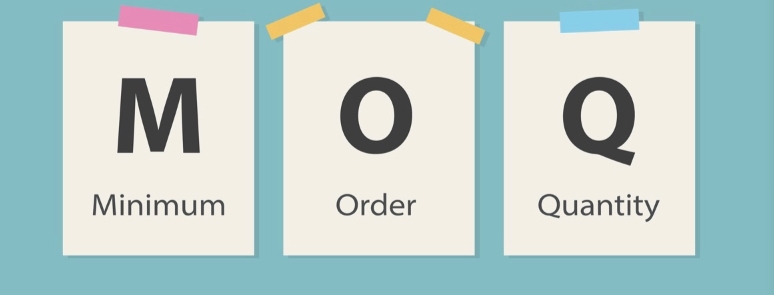
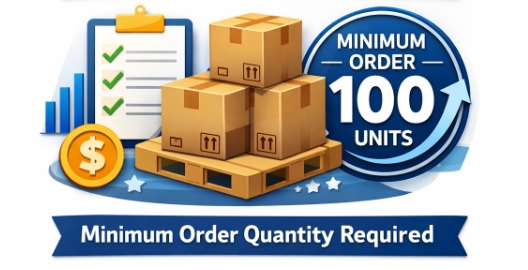
Minimum Order Quantity (MOQ) refers to the smallest quantity of a product that a supplier or manufacturer is willing to sell to a buyer in a single order. MOQs are typically set by the supplier or manufacturer and are meant to ensure that their production processes are economically viable. They exist because producing smaller batches of products can be costly, inefficient, and less profitable for the supplier.
For example, if you’re purchasing a new product from a manufacturer and the MOQ is 500 units, this means that you cannot purchase fewer than 500 units in a single order. The supplier has set the minimum threshold to ensure that they can cover the costs of production and still make a profit.
While MOQs are common in manufacturing, they also apply to wholesale distributors, suppliers, and even in the B2B retail industry. MOQs can vary significantly, with some suppliers offering very low minimums, while others may demand substantial quantities, particularly for custom or specialty products.
Why Do Suppliers Set MOQs?
1. Cost Efficiency
The primary reason behind setting an MOQ is to ensure that production runs are cost-effective. Manufacturing processes often involve setup costs, including tooling, labor, and raw materials. When these setup costs are spread over a larger number of units, the cost per unit is significantly reduced. If a supplier were to produce smaller batches, these costs would have to be absorbed over fewer units, leading to higher unit costs, which might not be financially sustainable for the manufacturer.
2. Production Feasibility
Manufacturers often operate at scale, meaning they produce goods in large batches. Small orders require additional planning, inventory, and labor, which can disrupt their production schedules. By imposing an MOQ, suppliers ensure that the production line remains efficient and aligned with their operational capacity.
3. Inventory and Supply Chain Management
Suppliers need to balance their own inventory, warehouse space, and logistics. A small order with a low MOQ can lead to inefficient use of resources and logistical complications. By setting a minimum order threshold, suppliers ensure that the demand for a product aligns with their production capacity and shipping schedules.
4. Profit Margins
MOQs help suppliers protect their profit margins. When they set an MOQ, they ensure that they can achieve an adequate profit from each order, covering their overhead costs, including manufacturing, labor, and logistics. Without MOQs, a supplier could face situations where producing an order would not generate enough revenue to cover their fixed costs.
How Does MOQ Work?

Negotiation of MOQ
MOQs are typically agreed upon during the negotiation phase between the buyer and supplier. This may happen when you are considering a new product, a supplier change, or negotiating a long-term contract. During this phase, the buyer may try to negotiate lower MOQs, especially if they are a small business or have low initial sales volume. Some suppliers may be flexible depending on the buyer’s commitment to larger or future orders.
Production or Fulfillment
Once the MOQ is agreed upon, the supplier begins to fulfill the order. This may involve procuring raw materials, setting up production lines, and scheduling labor to produce the required quantity. If the product is being manufactured from scratch, this may include additional processes such as customization, packaging, or quality checks.
Payment and Shipping
After the MOQ has been met, the buyer typically makes a payment for the order (or negotiates a payment schedule). Shipping arrangements are then made based on the agreed-upon terms, such as delivery timelines, locations, and shipping methods.
Tips for Managing MOQs Effectively

For many small businesses and startups, meeting an MOQ can be a daunting challenge. However, with the right strategy, you can manage MOQs effectively and even use them to your advantage. Here are some practical tips:
1. Negotiate the MOQ
In many cases, the MOQ is not set in stone. Suppliers often set an MOQ as a starting point for negotiations. Depending on your order size, commitment, and relationship with the supplier, you may be able to negotiate a lower MOQ. For example, you might offer a higher price per unit in exchange for a smaller order. Alternatively, you may be able to negotiate a flexible MOQ based on future purchase commitments.
2. Group Orders with Other Businesses
If your business is too small to meet the MOQ, consider partnering with other businesses that require similar products. This can be an effective strategy to combine resources and split the order cost. In this case, you can either negotiate with your supplier for a group purchase or connect directly with other small businesses to fulfill the MOQ collectively.
3. Plan for Larger Orders
If you know that a supplier has a high MOQ, plan your future purchases accordingly. Ordering larger quantities upfront can help you secure better pricing, and you can store the extra inventory for future sales. Many businesses rely on careful inventory management to balance the cost of large orders against the risk of holding too much stock.
4. Explore Different Suppliers
If your current supplier’s MOQ is too high, it might be time to explore other suppliers. Some suppliers may be more flexible, especially if you’re in a niche market or buying smaller quantities of a unique product. It’s also worth checking suppliers that offer smaller MOQs for prototype products or specialty goods. Online platforms like Alibaba or Etsy can offer small-batch options for businesses that are just starting.
5. Look for Wholesale Markets or Bulk Discounts
Some wholesale markets or distributors may have bulk pricing options for smaller MOQs, which is a great alternative if you’re unable to reach the minimum order requirements with a manufacturer. You may also find that wholesalers offer discounts as part of tiered pricing for larger purchases, meaning it might be worth reaching the MOQ for the sake of the discount, even if you don’t need the full quantity.
6. Assess Your Demand and Risk
Before committing to an MOQ, it’s important to evaluate whether you can realistically sell the quantity of product required. Overestimating demand could leave you with excess inventory, while underestimating demand might result in running out of stock before you’re able to reorder. Balancing your sales forecast with your purchasing capabilities is a critical aspect of managing MOQs.
Benefits of MOQs for Businesses

While MOQs can seem like an obstacle for smaller businesses, they offer several benefits that can contribute to long-term profitability and business growth. Here’s how MOQs can be advantageous:
1. Lower Unit Costs
One of the biggest advantages of MOQ is that it enables suppliers to offer lower prices per unit. When manufacturers produce in bulk, the cost per unit decreases, as fixed costs like setup and production are spread across a larger quantity. As a result, businesses that meet MOQs can benefit from the lower prices that come with bulk purchasing, leading to significant cost savings.
2. Improved Negotiation Leverage
By meeting an MOQ, businesses can improve their leverage in negotiations for better pricing, discounts, or more favorable terms. Suppliers are often willing to offer incentives to customers who place larger orders or demonstrate potential for future business. Meeting an MOQ can also give you a competitive advantage in the market as you’ll be able to offer more products at a better price point.
3. Better Inventory Control
When businesses order in larger quantities, they gain better control over inventory levels. This reduces the risk of running out of stock, which can lead to lost sales, especially in fast-moving markets. With adequate inventory management, you can ensure that products are always available when customers need them.
4. Access to Exclusive Products or Customizations
For businesses interested in exclusive products, custom branding, or specialized manufacturing, MOQs are often the gateway to obtaining these advantages. Suppliers are more likely to offer custom designs, packaging, or even product modifications when the MOQ is met. This can lead to products that stand out in the marketplace and help you differentiate your brand from competitors.
5. Faster Production and Delivery Times
When suppliers work with bulk orders, they often have more predictable production schedules, which can result in faster turnaround times. If you’re able to meet the MOQ, you may also have more certainty around delivery dates and stock availability, which can help with planning and reduce lead times.
6. Stronger Supplier Relationships
Establishing a relationship with a supplier by meeting their MOQ can lead to long-term business partnerships. Suppliers are more likely to offer favorable terms, lower prices, and quicker delivery for customers who regularly meet their order requirements. Building a good relationship with a supplier often leads to more flexibility in the future.
Industries Where MOQ Is Common
MOQs are a standard practice in several industries, especially those that deal with large-scale manufacturing, wholesale distribution, or bulk purchasing. These industries include:
1. Manufacturing
Manufacturers often require MOQs to ensure that production is financially feasible. This is especially true for industries like electronics, automotive parts, and custom-made machinery, where production setup costs and raw material procurement can be significant.
2. Apparel and Fashion
Apparel manufacturers typically set MOQs to ensure that they can produce a batch of clothing items that meet their production costs. Custom orders, particularly for private labels, often have MOQs to make the production process profitable.
3. Food and Beverage
MOQs are common in the food and beverage industry, particularly for bulk ingredients, packaging, and custom formulations. Suppliers typically require larger orders to ensure that the costs associated with food production and distribution are covered.
4. Cosmetics and Health Products
Many cosmetic and health product manufacturers set MOQs for items like skincare products, supplements, and perfumes. This allows manufacturers to manage production costs and maintain quality control over the final product.
5. Consumer Electronics
With large-scale manufacturing involved in electronics production, companies set MOQs for products such as phones, tablets, and computer components to keep costs in check and maximize production efficiency.
Minimum Order Quantity (MOQ) is an important aspect of the supply chain and manufacturing process. While it can present challenges for small businesses or startups, understanding how to manage and leverage MOQs can lead to better pricing, improved supplier relationships, and cost savings.
By negotiating effectively, exploring alternative suppliers, and planning for larger orders, businesses can take advantage of MOQs to enhance their operations and competitiveness in the market.
For any business that deals with manufacturing or wholesale products, mastering MOQs is essential to ensure profitability, supply chain efficiency, and long-term success.
FAQs: Minimum Order Quantity (MOQ)

To help you better understand Minimum Order Quantity (MOQ) and how it works, here are some frequently asked questions (FAQs) that address common concerns:
1. What is Minimum Order Quantity (MOQ)?
Answer:
Minimum Order Quantity (MOQ) is the smallest quantity of a product that a supplier is willing to sell to a buyer in a single order. It is set by the manufacturer or supplier to ensure that production and shipping costs are covered and that the order is profitable. For example, if a supplier’s MOQ is 500 units, you must purchase at least 500 units in one order.
2. Why do suppliers set an MOQ?
Answer:
Suppliers set MOQs to make sure their operations are cost-effective. Producing and shipping smaller orders can be inefficient and more expensive. MOQs help suppliers achieve economies of scale, reduce production costs, ensure they make a profit, and maintain an efficient supply chain.
3. Can I negotiate the MOQ with a supplier?
Answer:
Yes, in many cases, MOQs can be negotiated. Depending on your business size, commitment, or future purchase plans, you might be able to lower the MOQ. You can also offer to pay a higher price per unit if you’re unable to meet the MOQ. It’s always worth asking suppliers if they’re flexible, especially if you’re planning a long-term relationship.
4. What happens if I can’t meet the MOQ?
Answer:
If you’re unable to meet the MOQ, you have a few options:
- Negotiate: You can try to negotiate with the supplier for a lower MOQ, particularly if you plan to place a larger order in the future.
- Group Orders: You can partner with other businesses to meet the MOQ collectively.
- Find Another Supplier: Look for suppliers with lower MOQs, especially on platforms like Alibaba, Etsy, or local distributors that may be more flexible.
5. Can I buy fewer units than the MOQ from any supplier?
Answer:
Generally, suppliers have a set MOQ for bulk purchasing. However, some suppliers, especially those that cater to small businesses or startups, may offer smaller batch orders at a higher price per unit. Additionally, certain marketplaces or wholesalers may offer lower MOQs for some product categories.
6. What are the advantages of ordering at the MOQ?
Answer:
- Lower Unit Costs: Larger orders reduce production costs, allowing you to benefit from lower prices per unit.
- Better Pricing: Meeting the MOQ can open opportunities for better pricing or discounts in future orders.
- Improved Supplier Relationships: Suppliers are more likely to offer favorable terms, quicker shipping, or customizations when you consistently meet their MOQs.
- Inventory Management: Purchasing in bulk can improve your ability to manage stock levels and avoid running out of key products.
7. What are the disadvantages of MOQs?
Answer:
- Large Upfront Cost: If you’re a small business, committing to an MOQ can require significant capital investment, which might tie up cash flow.
- Risk of Overstock: Buying large quantities may result in excess stock, especially if you misjudge demand, leading to potential inventory waste.
- Storage Costs: Large orders require more warehouse space, which may add additional storage and logistical costs.
- Pressure on Sales: Smaller businesses may find it difficult to sell large quantities of products quickly, potentially leading to overstock or cash flow problems.
8. Can I still get a discount if I don’t meet the MOQ?
Answer:
It is less likely to receive a discount if you don’t meet the MOQ, but it depends on your negotiation. Some suppliers may allow smaller orders but charge a higher price per unit to offset their additional production costs. If you’re a repeat customer or you demonstrate potential for larger future orders, the supplier may offer some flexibility or provide a partial discount.
9. How do I determine whether I can meet an MOQ?
Answer:
To determine whether you can meet an MOQ, assess the following:
- Demand Forecasting: Understand how much of the product you expect to sell and whether you can move the units within a reasonable period.
- Cash Flow: Make sure you have the funds available for a larger order. Consider whether paying for the MOQ will affect your overall cash flow.
- Storage: Ensure you have sufficient storage space for the bulk order.
- Market Conditions: Research market trends to ensure the demand for the product will be stable.
10. What industries typically have MOQs?
Answer:
MOQs are common across various industries, particularly in wholesale, manufacturing, and distribution. Some key industries include:
- Apparel and Fashion: Clothing manufacturers often require minimum order quantities for mass production.
- Electronics: Consumer electronics like phones, gadgets, and accessories are often produced in bulk.
- Cosmetics and Skincare: Many cosmetic manufacturers set MOQs for custom packaging and formulations.
- Food and Beverage: Suppliers of bulk ingredients or packaged products often impose MOQs to maintain profitability in production runs.
- Toys and Merchandise: Custom toys, branded products, and promotional items often have MOQs due to production costs.
11. What is a good strategy for businesses with a low MOQ?
Answer:
If your business faces high MOQs, consider the following strategies:
- Plan Ahead: Anticipate demand and place bulk orders strategically to reduce unit costs.
- Buy with Partners: Collaborate with other businesses that need similar products to split the MOQ cost.
- Pre-Sell Inventory: Launch a pre-sale campaign to gauge demand before placing large orders.
- Seek Alternative Suppliers: Look for suppliers who have lower MOQs or those willing to work with smaller batch sizes.
12. How can I track and manage MOQs in my business?
Answer:
To effectively track and manage MOQs, you can implement the following practices:
- Inventory Management Systems: Use software to track your stock levels, forecast demand, and set reorder points based on your MOQ.
- Data Analysis: Analyze past sales data to predict which products will have higher demand and plan your orders accordingly.
- Supplier Communication: Keep open lines of communication with suppliers to stay informed about MOQ changes, lead times, and new product offerings.
13. Can MOQs be adjusted for custom or exclusive products?
Answer:
Yes, for custom or exclusive products, suppliers may require a higher MOQ due to the costs involved in customization. However, if you can prove that you’re a reliable long-term partner or provide a substantial order size, suppliers may adjust the MOQ. Some suppliers offer discounts or reduced MOQs if you’re willing to place large, consistent orders in the future.
14. What happens if I want to cancel or change an order after committing to the MOQ?
Answer:
Once an MOQ has been agreed upon and production begins, it can be difficult or costly to cancel or change the order. Many suppliers have strict policies in place to avoid disruptions in their production schedules. If you need to make changes or cancel, you should discuss the matter with your supplier as soon as possible. In some cases, there may be penalties or fees involved, depending on the stage of production or fulfillment.
15. Is it possible to find suppliers without MOQs?
Answer:
Yes, some suppliers, particularly on online marketplaces (e.g., Etsy, Alibaba) or local distributors, may have no minimum order requirements or lower MOQs. However, these suppliers may charge higher unit prices for smaller orders, so it’s essential to weigh the pros and cons. No-MOQ suppliers often cater to smaller businesses, startups, or individual consumers who need small batches.
Conclusion
MOQ is a critical factor for any business involved in product manufacturing or wholesale purchasing. While it can be challenging for small businesses to meet high MOQs, it also offers many advantages such as better pricing, economies of scale, and stronger supplier relationships. By understanding how MOQs work and implementing smart strategies for managing them, businesses can turn this aspect of procurement into a growth opportunity.
If you have further questions or need specific advice on negotiating or managing MOQs, feel free to reach out to your suppliers or supply chain professionals to ensure that your business operates smoothly and profitably.