📋 Table of Contents
Hiring a China sourcing agent can mean the difference between landed cost savings of 20% and a container of defective goods. For wholesale buyers in Latin America and Europe, navigating supplier verification, customs documentation, and incoterms without local expertise leads to costly mistakes. This guide breaks down what a sourcing agent actually does, how much they charge, and the compliance steps you must take before importing from China.
Executive Summary
- Cost structure: Most China sourcing agents charge a 3-5% commission on FOB value, with minimum fees per order, according to 2026 supplier surveys by the China Council for the Promotion of International Trade (CCPIT).
- Fraud prevention: The CCPIT reports that 68% of first-time importers encounter a shell company or fake certification without a factory audit.
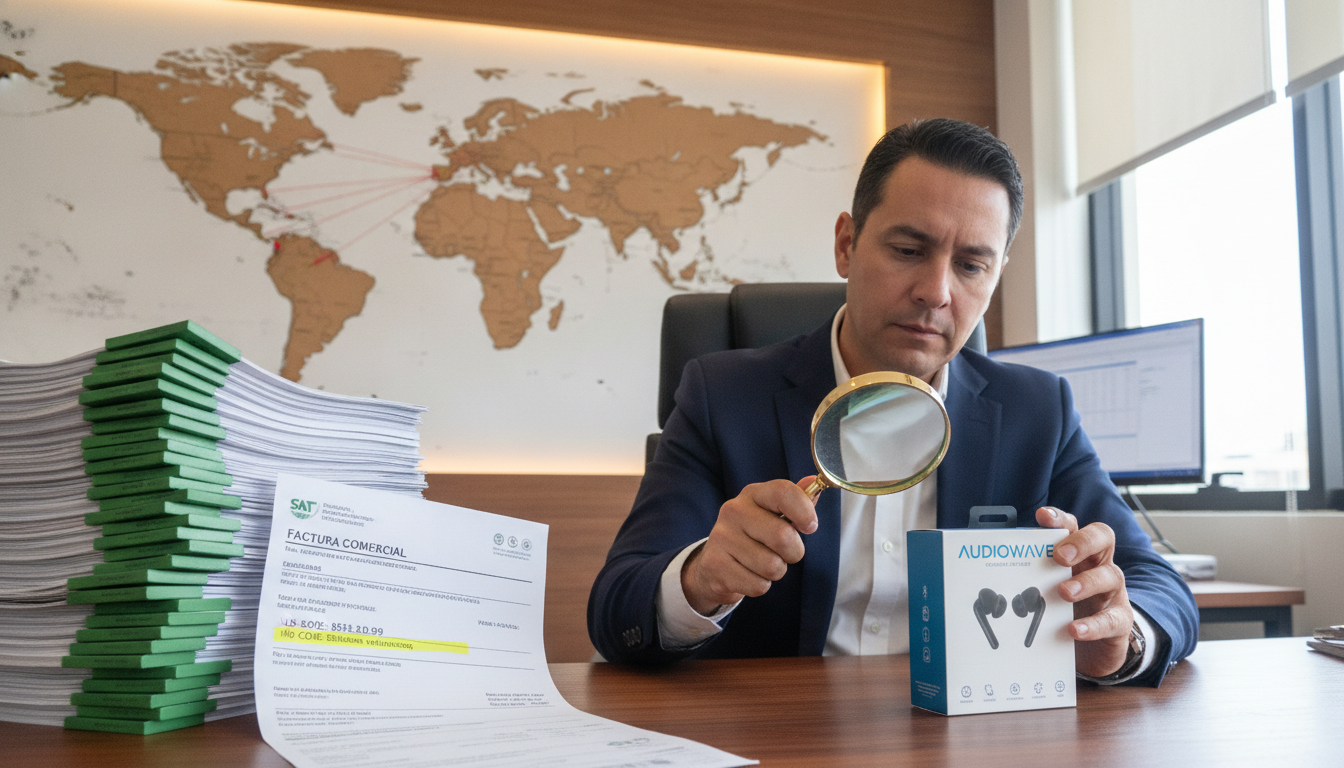
- Compliance burden: Mexico’s SAT requires a registered RFC for all imports; Brazil mandates INMETRO certification for over 300 product categories, including electronics and toys.
- Landed cost savings: Using a sourcing agent can lower total import costs by 12-18% through consolidated shipping and negotiated FOB discounts, according to Alibaba’s 2026 Latin America Trade Index.
- Timeline: Sourcing through an agent adds 10-14 days for verification but reduces customs clearance delays by up to 60%, based on border agency data from Argentina and Chile.
Hiring a China Sourcing Agent: What You Need to Know
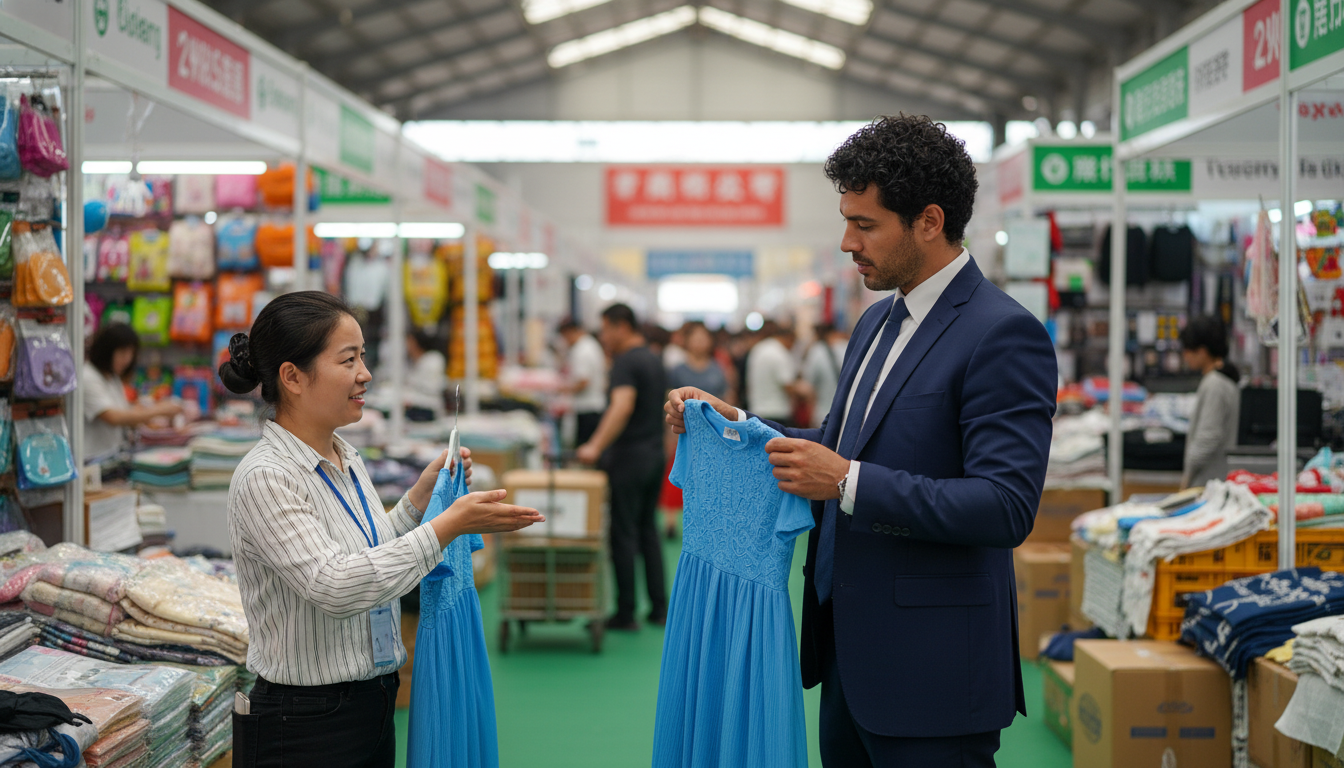
A trusted China sourcing agent acts as your on‑the‑ground representative, managing supplier communication, factory audits, quality control, and shipment consolidation. Instead of dealing with 10 different vendors, you work with one point of contact who speaks your language and knows local manufacturing clusters.
Core Responsibilities
- Supplier sourcing: They shortlist 3-5 verified manufacturers that match your target price, MOQ, and product certifications (e.g., ISO 9001, BSCI).
- Price negotiation: Because they handle volume across clients, a sourcing agent often secures 5-8% lower FOB prices than what you find on Alibaba or trade fairs.
- Production follow-up: Weekly status reports with photos and production milestones reduce the risk of late shipments.
- Logistics coordination: The agent books containers, prepares export docs (commercial invoice, packing list, bill of lading), and advises on the best incoterm for your country.
Industry-Specific Expertise
Agents based in Jinhua, near Yiwu market, handle consumer goods, apparel, home decor, and general merchandise. For furniture and hardware, Foshan-based agents offer specialized knowledge. Our team has sourced over 2,000 TEU of furniture from Foshan factories in the last five years, helping European buyers maintain EN standards.
How Much Does a China Sourcing Agent Charge in 2026?
Most agents structure fees in three ways. The best fit depends on your order frequency and volume. The table below uses data from a 2026 CCPIT pricing survey of 150 agents across Zhejiang and Guangdong.
Hidden cost alert: Some agents mark up shipping by 15-20%. Always request a freight invoice from the carrier directly to verify the true cost.
Compliance and Customs for LATAM and European Importers
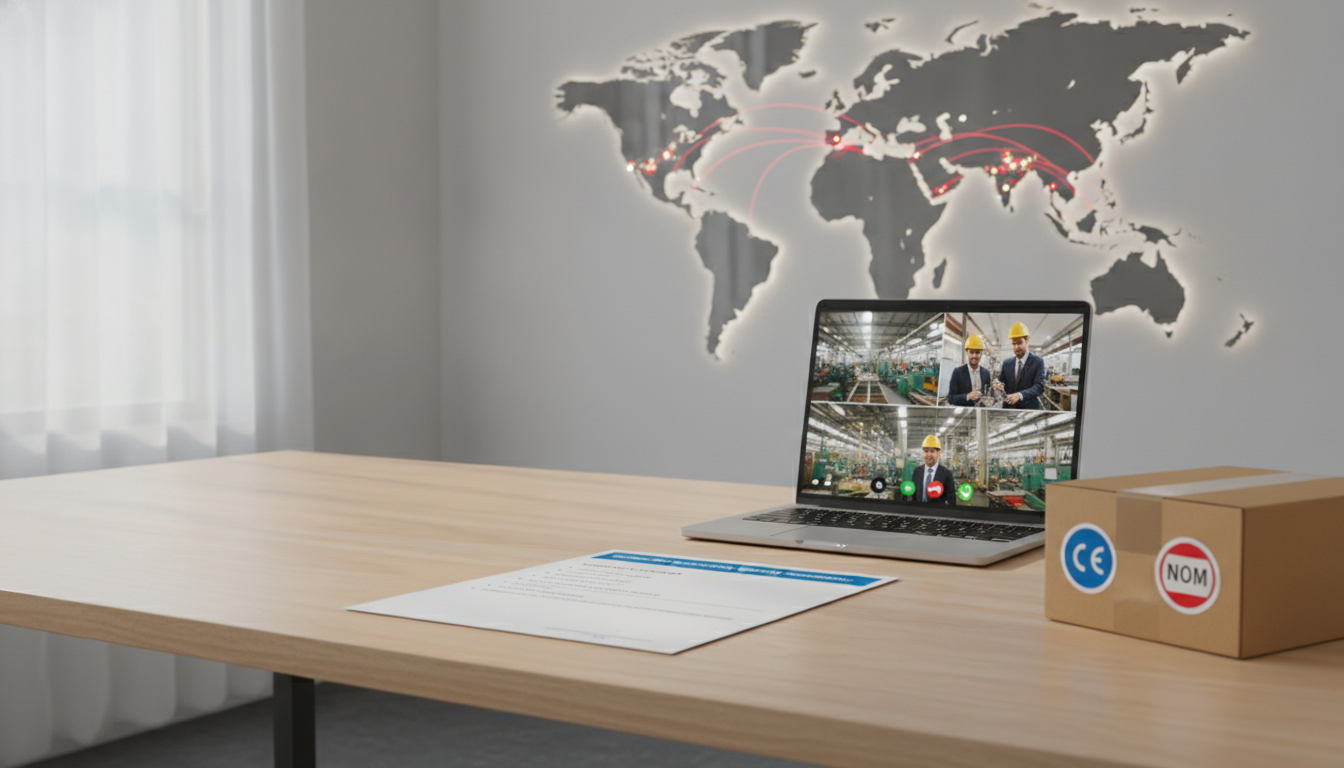
Skipping product certification is the #1 reason shipments get seized at destination ports. Each country has its own mandatory standards. Use the table below to check your product category.
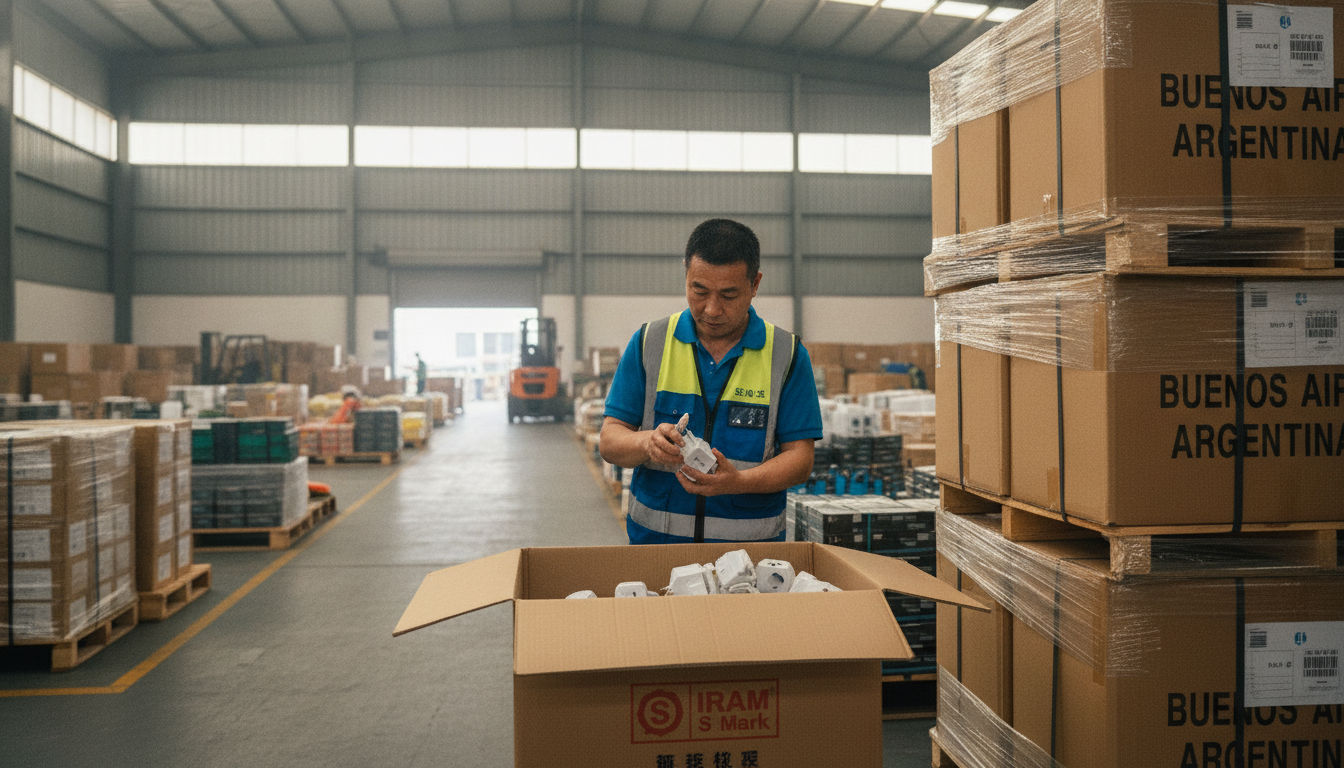
A reliable China sourcing agent will connect you with labs that provide NOM or INMETRO test reports before shipment. In our 23+ years handling Yiwu goods for Mexican importers, we have cut certification turnaround time by 30% using pre-approved testing partners in Guangdong.
Landed Cost Optimization
Landed cost includes product FOB, ocean freight, insurance, duties, and inland transport. For a typical 20-ft container from Ningbo to Veracruz, total costs break down as:
- FOB value: $12,000-$18,000 (consumer goods)
- Ocean freight: $2,800-$3,500 (as of mid-2026, spot rates)
- Mexican duty + IVA: 15-25% of CIF value depending on HS code
- Customs broker: $150-$300
An agent who consolidates your cargo with other shipments can reduce ocean freight by up to 18%, according to Alibaba’s 2026 Latin America Logistics Report.
How to Find and Vet a Reliable China Sourcing Agent
Start by checking whether the agent has a physical office in a manufacturing hub (Yiwu, Foshan, Guangzhou) and can provide recent client references in your country. Avoid agencies that act as undisclosed trading companies, mark up products without revealing the factory name.
In practice: A Colombian importer avoided a $12,000 loss after we discovered a supplier’s fake SGS certificate during a pre-shipment inspection.
Digital Sourcing Stack
Professional buyers now complement agents with digital tools:
- RFQ template: Standardize your request with target FOB price, MOQ, material specs, packaging, and required certifications.
- Supplier scorecard: Rate each factory on price, lead time, communication, and QC history; revisit before every reorder.
- QC checklist: Define AQL (e.g., 2.5 for major defects) and critical dimensions; share with agent and inspection company.
- Contract clauses: Include liquidated damages for late shipment (0.5% of order value per week) and right to reject if AQL fails.
Ready to work with a vetted China sourcing agent?
Request a free supplier audit →
FAQ
What does a sourcing agent in China do?
A sourcing agent finds and vets factories, negotiates prices, handles quality inspections, and manages shipping logistics on your behalf. They act as your local representative, bridging language barriers and ensuring product compliance with your country’s import regulations.
How much does a China sourcing agent charge?
Typically 3-5% commission on FOB value, a fixed fee of $500-$1,500 per order, or a monthly retainer plus lower commission. Rates vary by order size and complexity; always confirm whether shipping markups are included.
Is it safe to use a sourcing agent in China?
Yes, if you vet the agent carefully. Check for a physical office in a manufacturing hub, request client references in your country, and insist on a transparent fee structure. Avoid agents who hide factory names or demand full upfront payment.
How do I find a reliable sourcing agent in China?
Search for agents with long-term experience, multilingual support, and specialization in your product category. Ask for factory audit reports, video tours, and samples. Platforms like Alibaba’s Trade Assurance can add a security layer.
What is the difference between a sourcing agent and a trading company?
A sourcing agent works on your behalf, charging a transparent fee and connecting you directly with the factory. A trading company buys products from factories and resells them at a markup, often hiding the true supplier and adding 10-20% to the price.
Key Takeaways
- Mexican customs (SAT) requires importers to register a unique RFC tax ID before clearing any China shipment over $1,000 USD.
- Brazil’s INMETRO certification is mandatory for more than 300 product categories, including toys and electronics, as stated by the Brazilian Ministry of Development, Industry, and Foreign Trade.
- According to the China Council for the Promotion of International Trade (CCPIT), 68% of new importers encounter a shell company or fake certificate without an on-site audit.
- Alibaba’s 2026 Latin America Trade Index reports that buyers who used a sourcing agent reduced total import costs by 12-18% through consolidated freight and better FOB pricing.
- EU regulation (EU) 2015/2446 requires a binding tariff information (BTI) decision before importing textiles, electronics, and footwear to avoid customs disputes.
- Argentina’s AFIP import license process adds an average of 21 days to lead time; a sourcing agent can pre-file documentation and cut that delay by 40%.