Shipping from China isn’t just about moving goods from Point A to Point B. It’s about managing cost, time, risk, compliance, and efficiency — all at once. Whether you’re importing textiles, electronics, hardware, furniture, or private-label products, your shipping strategy can make or break your profit margins.
China is the world’s manufacturing hub. Millions of containers leave Chinese ports every month headed to the United States, Europe, Africa, the Middle East, and beyond. But here’s the truth: the cheapest freight quote isn’t always the smartest option.
If you understand the system properly, shipping becomes a competitive advantage instead of a headache.
Let’s break everything down step by step.
Table of contents
- 1. Main Shipping Methods from China
- 2. Major Shipping Ports in China
- 3. FCL vs LCL: Which One Should You Choose?
- 4. Shipping Timeline from China
- 5. Shipping Costs from China
- 6. Required Shipping Documents
- 7. Incoterms Explained (Very Important)
- 8. Cargo Insurance
- 9. Consolidation Services
- 10. Common Shipping Mistakes
- 11. How to Choose a Freight Forwarder for Shipping from China
- 12. Strategic Advice for Scaling Importers
- FAQs About Shipping from China
1. Main Shipping Methods from China
When importing products from China, choosing the right shipping method is critical. It affects cost, transit time, safety, and overall profitability.
There’s no “one-size-fits-all” approach—your choice depends on factors like product type, order volume, urgency, and destination. Below is a detailed breakdown of the main shipping methods.
1.1 Sea Freight (Ocean Shipping)
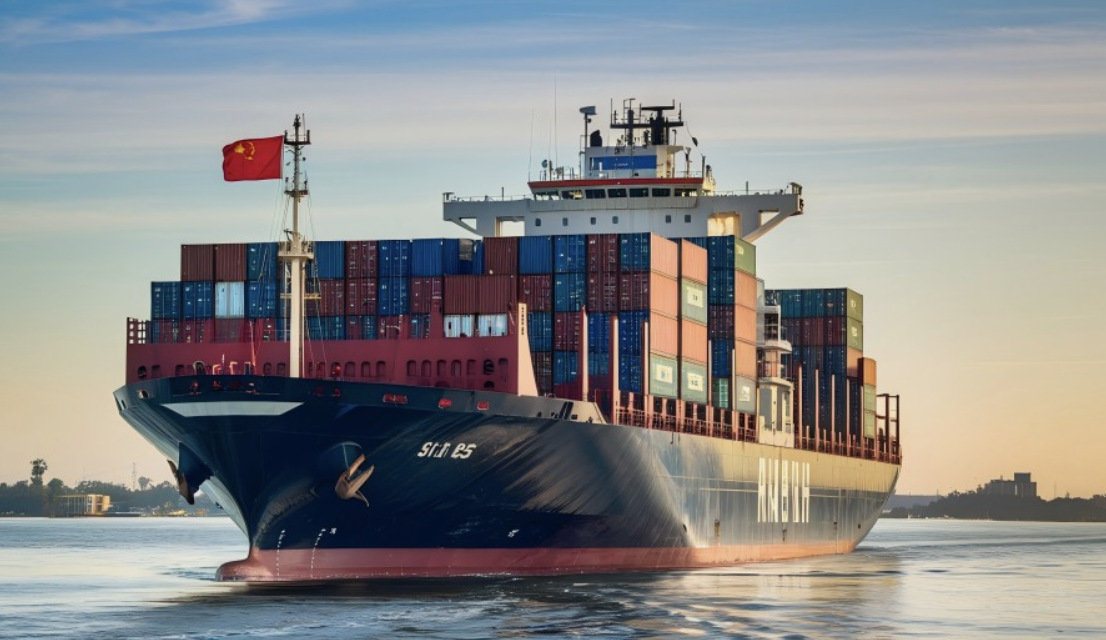
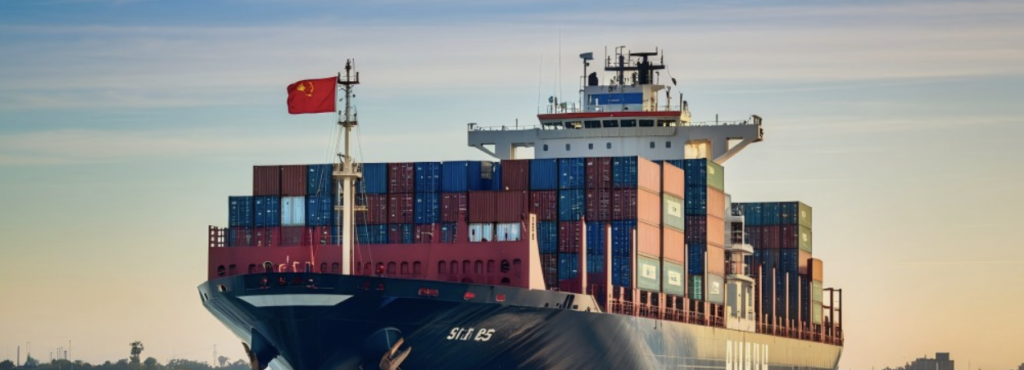
Sea freight is the most common method for bulk shipments. It handles over 80% of global trade because it’s cost-effective, especially for large orders.
Best for:
- Heavy and bulky goods
- Large-volume shipments
- Non-urgent inventory
Types of Sea Freight:
FCL (Full Container Load)
- You book an entire container (20ft, 40ft, or 40ft high cube)
- Container is exclusively yours
- Benefits:
- Lower per-unit cost for bulk orders
- Less handling, reducing risk of damage
- Faster customs clearance
- Ideal for importers who have enough volume to fill a container or are consolidating multiple suppliers
LCL (Less than Container Load)
- You share a container with other importers
- Costs are divided based on volume (CBM – cubic meters)
- Benefits:
- Suitable for smaller orders
- Flexible if you don’t fill a container
- Downsides:
- More handling → slightly higher damage risk
- Slower clearance due to multiple shipments in one container
Transit Time:
- Typically 15–40 days, depending on destination and port.
- Cheapest shipping method but slowest for time-sensitive products.
1.2 Air Freight
Air freight is much faster than sea, but also more expensive. It’s charged by actual weight or volumetric weight, whichever is higher.
Best for:
- Small, high-value items
- Urgent shipments
- E-commerce stock replenishment
Pros:
- Fast transit (5–10 days door-to-door)
- Reliable and less weather-dependent
- Reduced inventory holding time
Cons:
- Expensive for heavy or bulky goods
- Limited capacity for large orders
Example: Shipping 1,000 LED bulbs via sea is cheaper than air, but air is useful for urgent restocking.
1.3 Express Courier Services (DHL, FedEx, UPS, TNT)
Express couriers are the fastest and most convenient option for small parcels or sample shipments.
Best for:
- Product samples
- Small e-commerce shipments
- Urgent small orders
Pros:
- 3–7 days delivery
- Door-to-door service
- Tracking included
Cons:
- Very expensive for bulk orders
- Limited weight per shipment
- Sometimes strict packaging requirements
1.4 Rail Freight (China to Europe Mainly)
Rail freight is becoming increasingly popular for shipments to Europe. It’s a middle-ground between sea and air: faster than sea, cheaper than air.
Best for:
- Europe-bound cargo
- Medium-sized shipments that aren’t urgent
Pros:
- Transit 14–21 days
- More affordable than air
- Safer and less prone to delays than sea
Cons:
- Limited to Europe or neighboring countries
- Smaller cargo capacity than sea freight
- Customs clearance requires coordination across multiple countries
1.5 How to Choose the Right Method
Consider these factors:
| Factor | Fret maritime | Fret aérien | Express Courier | Rail Freight |
|---|---|---|---|---|
| Cost | Low | High | Very High | Medium |
| Speed | Slow | Fast | Very Fast | Medium-Fast |
| Volume | Large | Small-Medium | Very Small | Medium |
| Product Type | Heavy, bulky | High-value, urgent | Samples | Europe-bound, medium |
| Risk of Damage | Medium | Low | Very Low | Low |
Key Rule:
- Large, non-urgent orders → Fret maritime
- Urgent, high-value shipments → Fret aérien
- Small parcels or samples → Courier
- Europe-bound medium orders → Rail Freight
Final Advice
Most importers use a combination of shipping methods:
- Samples: Express courier
- Small test orders: LCL or air freight
- Bulk orders: FCL sea freight
- Europe-focused medium shipments: Rail
Understanding shipping options allows you to balance cost, speed, and risk, which is essential for building a profitable import business from China.
2. Major Shipping Ports in China
When importing from China, choosing the right port of departure is just as important as selecting the shipping method.
China has dozens of ports, but some are strategically more efficient depending on your location, product type, and destination. Picking the wrong port can increase inland trucking costs, cause delays, or even result in higher shipping fees.
Here’s a detailed guide to the major shipping ports and their advantages for importers.
1. Shanghai Port
Overview:
Shanghai is China’s largest and busiest port, handling millions of containers annually. It’s known for its advanced facilities, fast turnaround, and extensive international shipping lines.
Best For:
- Électronique
- Textiles
- Consumer goods
- Furniture
Advantages:
- Handles massive container volumes → lower shipping rates
- Frequent sailings to major ports worldwide
- Efficient customs processing
Disadvantages:
- Inland transportation from central or southern China (e.g., Yiwu) may be slightly longer
- Port congestion during peak seasons
2. Ningbo-Zhoushan Port
Overview:
Located close to Yiwu, Ningbo-Zhoushan is one of the fastest-growing ports in China. It specializes in containerized exports and industrial goods.
Best For:
- Hardware (District 3 products)
- Textiles (District 4 products)
- Bulk commodities
Advantages:
- Proximity to Yiwu → lower inland trucking costs
- Modern facilities for large-scale container shipments
- Efficient LCL consolidation hubs
Disadvantages:
- Slightly fewer sailings to certain remote destinations compared to Shanghai
3. Shenzhen Port
Overview:
Shenzhen, in southern China near Hong Kong, is a key hub for electronics, mobile devices, and small consumer goods.
Best For:
- Electronics and gadgets
- Electrical components
- Small appliances
Advantages:
- Fast shipping to USA, Europe, and Southeast Asia
- Close to major factories in Guangdong province
- High container capacity and reliability
Disadvantages:
- Slightly higher cost for inland trucking if sourcing from northern China
4. Guangzhou (Nansha) Port
Overview:
Guangzhou’s Nansha port handles containerized cargo from southern China. It is particularly strong in electronics, textiles, and consumer goods.
Best For:
- Électronique
- Furniture
- Vêtements
Advantages:
- Frequent international sailings
- Good rail and trucking connections to inland provinces
- Modern container handling
Disadvantages:
- Limited capacity for extremely large shipments compared to Shanghai
5. Qingdao Port
Overview:
Located in northern China (Shandong province), Qingdao is ideal for products manufactured in northern and central China. It is one of the largest northern ports with strong global connections.
Best For:
- Machinery
- Heavy industrial goods
- Textiles from northern China
Advantages:
- Efficient customs handling
- Well-connected to rail and road networks
- Lower congestion than southern ports
Disadvantages:
- Longer transit time to southern destinations (like Southeast Asia)
6. Other Notable Ports
- Tianjin Port: North China, ideal for Beijing and surrounding regions.
- Xiamen Port: Southeast China, good for Fujian products and smaller shipments.
- Hong Kong Port: Mainly for fast cargo forwarding and electronics; higher fees but very convenient for urgent shipments.
7. How to Choose the Best Port
Consider these factors:
| Factor | Shanghai | Ningbo | Shenzhen | Guangzhou | Qingdao |
|---|---|---|---|---|---|
| Proximity to Supplier | Medium | Close to Yiwu | Southern China | Southern China | Northern China |
| Product Type | General | Textiles, hardware | Électronique | Electronics, apparel | Machinery, heavy goods |
| Shipping Cost | Moderate | Lower | Slightly higher | Moderate | Moderate |
| Frequency of Sailings | High | Medium-High | High | Medium-High | Medium |
| Inland Trucking Cost | Moderate | Low | Moderate | Moderate | Moderate-High |
Rule of Thumb:
- For Yiwu buyers → Ningbo is typically the most cost-efficient port.
- For Guangdong suppliers → Shenzhen or Guangzhou.
- For northern factories → Qingdao or Tianjin.
- For high-volume shipments worldwide → Shanghai
8. Final Advice on Choosing Ports
- Consider inland trucking cost from the factory to the port.
- Match port capabilities to your product type.
- Check frequency of sailings to your destination.
- Ask your freight forwarder for port efficiency and congestion data.
Choosing the right port can save money, reduce delays, and streamline your supply chain. It’s one of the easiest ways to optimize shipping costs without changing your product or supplier.
3. FCL vs LCL: Which One Should You Choose?
| Feature | FCL | LCL |
|---|---|---|
| Cost Per Unit | Lower for bulk | Higher |
| Damage Risk | Lower | Slightly Higher |
| Speed | Faster clearance | Slightly slower |
| Best For | Large orders | Small orders |
If your cargo fills half a container or more, FCL is usually smarter.
4. Shipping Timeline from China
When importing from China, understanding the shipping timeline is critical for planning inventory, managing cash flow, and meeting customer demand.
Shipping isn’t just about transit; it includes factory production, inland trucking, customs clearance, and delivery to your warehouse. Ignoring these steps can lead to delays, missed sales, and higher costs.
Here’s a detailed guide to the typical timeline for shipping from China.
1. Pre-Shipment Preparation
Before your goods even leave the supplier, several steps affect the timeline:
- Production lead time: Depending on product complexity and supplier capacity, this can range from:
- Standard items: 7–14 days
- Customized or private label products: 30–60 days
- Quality inspection: If you hire a third-party inspection company, add 2–5 days.
- Documentation preparation: Supplier needs to prepare:
- Commercial Invoice
- Packing List
- Export Declaration
- Certificates (if required, e.g., CE, UL)
Tip: Factor 5–7 extra days for documentation, especially for large shipments with multiple SKUs.
2. Inland Transportation to Port
After production, goods must move from the factory to the export port:
- Yiwu to Ningbo Port: 1–2 days by truck
- Guangdong factories to Shenzhen/Guangzhou Ports: 1–3 days
- Northern China factories to Qingdao/Tianjin Ports: 1–3 days
Note: Larger shipments may require coordination with freight forwarders for container booking and warehouse consolidation.
3. Export Customs Clearance in China
Before leaving China, the shipment must clear export customs:
- Usually 1–3 days, depending on:
- Shipment size
- Documentation accuracy
- Product category (electronics or textiles may require additional checks)
Tip: Incorrect HS codes or missing certificates can delay clearance by days or weeks.
4. Ocean Freight Transit Time
Transit time depends on destination port and shipping method:
To the USA (Sea Freight)
| Destination | Transit Time |
|---|---|
| West Coast (Los Angeles, Long Beach) | 15–20 days |
| East Coast (New York, Savannah) | 30–40 days |
| Gulf Coast (Houston) | 25–35 days |
To Europe (Sea Freight)
- 25–40 days, depending on port congestion and route (e.g., Shanghai → Rotterdam)
To Southeast Asia / Middle East
- 15–25 days depending on shipping line and transshipment stops
5. Air Freight Transit Time
Air freight is much faster than sea, usually 5–10 days door-to-door, but it comes with higher costs.
- High-value or urgent items are ideal
- Charged based on actual weight or volumetric weight, whichever is higher
6. Rail Freight Transit Time (China to Europe)
Rail is gaining popularity for medium-sized shipments to Europe:
- Transit time: 14–21 days
- Faster than sea, cheaper than air
- Ideal for items that are not urgent but need faster delivery than ocean freight
7. Destination Port Handling & Customs Clearance
Once goods arrive at the destination port:
- Standard customs clearance: 1–5 days
- Container unloading and inspection: 1–3 days
- Potential delays for:
- Holidays or peak season
- Random inspections
- Missing or incorrect documentation
Tip: Work with a reliable customs broker or freight forwarder to speed up this process.
8. Final Delivery to Warehouse / Customer
After customs clearance, cargo must be transported to your warehouse or fulfillment center:
- Trucking time varies:
- Local delivery: 1–3 days
- Cross-country delivery (e.g., West → East Coast USA): 5–10 days
Important: Don’t forget inland trucking costs and time when planning your shipping schedule.
9. Total Estimated Timeline
| Shipping Method | Factory + Inland + Customs + Transit + Delivery |
|---|---|
| FCL Sea Freight to US West Coast | 30–45 days |
| FCL Sea Freight to US East Coast | 45–60 days |
| Fret aérien | 10–15 days |
| Express Courier | 3–7 days |
| Rail Freight to Europe | 25–35 days |
Rule of Thumb: For sea freight shipments, always add 10–15 days buffer for unexpected delays. Planning inventory at least 60–90 days ahead is ideal for large-volume importers.
5. Shipping Costs from China
Shipping cost depends on:
- Container size
- Destination
- Season
- Fuel prices
- Port congestion
Example Cost Breakdown (Sea Freight 40ft to USA)
| Cost Component | Estimated Range |
|---|---|
| Ocean Freight | $2,000–$5,500 |
| Origin Charges | $300–$800 |
| Destination Charges | $400–$1,000 |
| Trucking | $500–$2,000 |
| Duties | Product dependent |
Rates fluctuate heavily during peak season (August–October).
6. Required Shipping Documents
Proper documentation prevents delays.
You typically need:
- Commercial Invoice
- Packing List
- Bill of Lading
- HS Code classification
- Certificate of Origin (if required)
- Importer Security Filing (for USA)
Incorrect paperwork causes costly delays.
7. Incoterms Explained (Very Important)
Incoterms define who pays for what.
Common ones:
EXW (Ex Works)
Buyer handles everything from factory onward.
FOB (Free on Board)
Supplier handles delivery to port. Buyer handles sea freight onward.
Most common for importers.
CIF (Cost, Insurance, Freight)
Supplier pays for shipping to destination port.
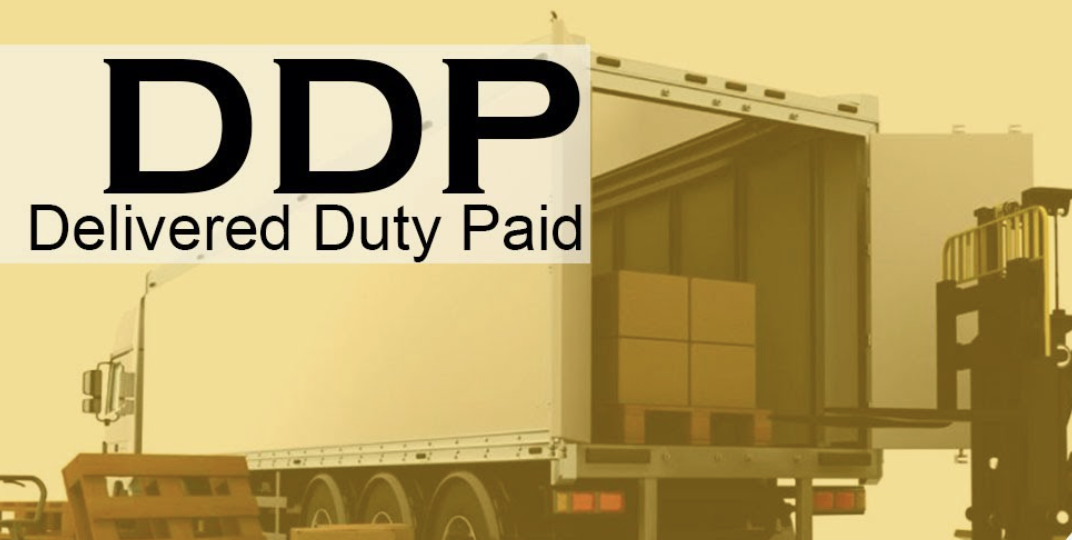
DDP (Delivered Duty Paid)
Supplier handles everything including customs and duties.
For beginners, FOB offers more control and transparency.
8. Cargo Insurance
Shipping carries risk:
- Storm damage
- Container loss
- Water leakage
- Port accidents
Insurance typically costs:
0.3%–0.5% of cargo value
Small price. Big protection.
9. Consolidation Services
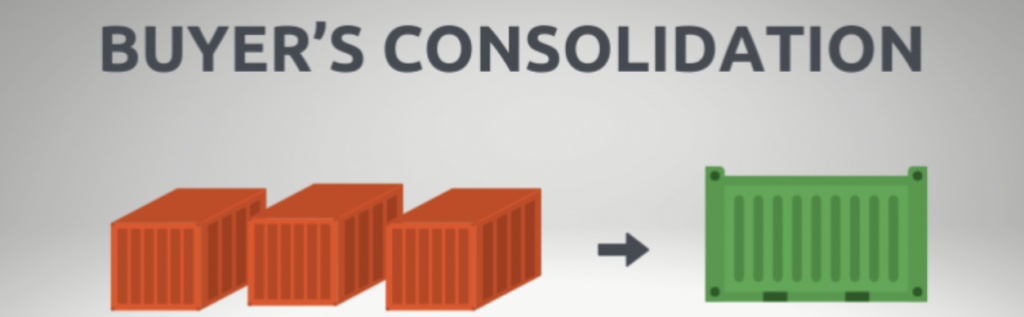
When importing from China, especially from wholesale hubs like Yiwu Futian Market, one of the smartest ways to save on shipping costs and reduce headaches is using consolidation services.
These services allow buyers to combine multiple shipments from different suppliers into a single container, ensuring cost efficiency, better logistics management, and smoother customs clearance.
Here’s an in-depth look at consolidation services and why they are a game-changer for importers.
1. What is a Consolidation Service?
A consolidation service (also called cargo consolidation) is a logistics solution where goods from multiple suppliers are:
- Delivered to a warehouse or consolidation center in China.
- Inspected for quantity, quality, and packaging.
- Repacked if needed into a single container.
- Shipped together to the buyer’s destination.
Instead of paying separate freight charges for each supplier, buyers share one container, which significantly reduces shipping costs.
2. Who Needs Consolidation Services?
Consolidation services are ideal for importers who:
- Buy from multiple suppliers in District 3 (hardware, electrical) and District 4 (textiles, home goods).
- Import small to medium orders that don’t fill a container individually.
- Want to reduce paperwork and customs entries.
- Are running e-commerce businesses or retail distribution requiring multiple SKUs.
Without consolidation, you’d face multiple small shipments, each incurring fees, customs paperwork, and transit costs.
3. Benefits of Using Consolidation Services
a. Cost Efficiency
- Combining multiple shipments into one container reduces per-unit shipping cost.
- LCL (Less than Container Load) shipments often have high per-unit fees. Consolidation minimizes this by maximizing container utilization.
b. Simplified Documentation
- Instead of filing separate customs documentation for each supplier, your forwarder can handle a single shipment declaration.
- Fewer mistakes, fewer delays.
c. Quality Control
- Many consolidation centers perform pre-shipment inspections, checking:
- Quantity
- Packaging quality
- Product consistency
This is especially useful for textiles (District 4) and hardware/electrical items (District 3).
d. Reduced Risk of Damage
- Consolidation warehouses repack fragile or poorly packed goods professionally.
- Reduces breakage during handling and transport.
e. Inventory Management
- Consolidation centers can store products temporarily, letting you wait until all supplier shipments are ready before sending one container.
- Avoids multiple partial shipments and ensures inventory arrives together.
4. How a Typical Consolidation Process Works
- Supplier Delivery: Each supplier sends goods to the consolidation warehouse.
- Inspection & Sorting: Warehouse staff check items against your purchase orders.
- Repacking & Labeling: Products are repacked to export standards. Custom labels or packaging can be applied.
- Container Loading: All goods are loaded efficiently into one FCL container or combined for LCL.
- Shipping & Documentation: The warehouse arranges ocean or air freight, prepares the Bill of Lading, and handles export customs clearance.
5. Things to Watch Out For
- Warehouse Fees: Some warehouses charge per pallet or per cubic meter. Compare prices.
- Storage Limits: Ask about maximum storage time. Most warehouses charge extra if cargo sits too long.
- Quality Inspection Limits: Not all consolidation centers perform full QC. Verify what is included.
- Documentation Accuracy: Ensure the warehouse handles customs paperwork properly to avoid clearance delays.
- Insurance: Confirm whether insurance is included or purchased separately for combined cargo.
6. Recommended Consolidation Strategy for Yiwu Buyers
- Multiple Districts, One Shipment: If sourcing from District 3 and District 4, use the consolidation warehouse to combine shipments into one container.
- Check Packaging Consistency: Ask the warehouse to repack goods in uniform export-grade cartons.
- Schedule Container Loading: Time shipments to minimize warehouse storage fees.
- Use Third-Party QC: Even if the warehouse inspects, consider a separate inspection company for larger orders.
Pro Tip: Consolidation is especially useful for e-commerce sellers with multiple SKUs who want one container ready to ship directly to an Amazon FBA warehouse or distribution center.
7. Cost-Saving Example
Imagine you’re buying:
- 3 different types of socks from District 4
- LED panel lights from District 3
- Plumbing accessories from District 3
Without consolidation:
- Each supplier ships separately → 3–4 small LCL shipments → high cost and multiple customs entries
With consolidation:
- All suppliers ship to one warehouse → inspected and repacked → loaded into a single 40ft container → one customs entry → lower overall cost
Savings can range from 20–40% per shipment, depending on volume.
10. Common Shipping Mistakes

Shipping from China may seem straightforward—pick a freight method, load your goods, and wait for delivery—but in reality, mistakes in shipping can wipe out profits, delay shipments, or even create legal problems.
Even experienced importers occasionally make errors because international shipping has many moving parts: documentation, logistics, regulations, and seasonal factors.
Here’s a detailed guide to the most common shipping mistakes and how to avoid them.
1. Choosing the Cheapest Freight Option Without Considering Total Cos
Many importers focus solely on the price per container or per kilogram and ignore:
- Hidden fees (port charges, handling, fuel surcharges)
- Customs duties and tariffs
- Delivery from port to warehouse
Consequence: You may save $100 on shipping but pay $500+ in hidden fees or delays.
Solution: Always request all-in quotes and calculate total landed cost, including freight, insurance, customs, and inland delivery.
2. Ignoring Volume vs Weight in Sea Freight
Sea freight charges are not always weight-based. Often, you “cube out” the container before reaching its weight limit, especially with:
- Textiles and soft goods (District 4)
- Bulk packaged items
Consequence: Overestimating weight may lead to paying for space you don’t use efficiently, or underestimating can lead to extra charges at the port.
Solution: Calculate CBM (cubic meters) for each shipment and compare with the container’s space capacity.
3. Skipping Cargo Insurance
Many importers assume ocean freight is safe. The reality:
- Containers can be damaged by water or storms
- Cargo can be lost or misplaced at port
- Theft during transportation is possible
Consequence: A shipment worth thousands of dollars could be lost or damaged without compensation.
Solution: Purchase cargo insurance. It’s usually 0.3–0.5% of cargo value—a small price for peace of mind.
4. Failing to Verify Customs Requirements
Each country has specific import regulations:
- HS code classifications
- Duties and tariffs
- Certificates (CE, UL, RoHS for electronics)
- Labeling requirements
Consequence: Shipments can be delayed, fined, or rejected at customs.
Solution: Work with a customs broker or experienced forwarder to ensure compliance.
5. Poor Packaging for International Transport
Even quality products can arrive damaged if packaging is insufficient:
- Textiles may get wet or moldy
- Glass or lighting products can break
- Metal items may rust due to humidity
Solution:
- Use export-grade cartons
- Add moisture-proof polybags or desiccants
- Reinforce fragile items with foam or bubble wrap
- Test packaging for stacking and drop resistance
6. Underestimating Transit Time and Seasonal Delays
Shipping from China isn’t fixed—it depends on:
- Port congestion
- Peak season surges (August–October, pre-Chinese New Year)
- Weather delays
Consequence: Inventory shortages, lost sales, and rush shipping costs.
Solution: Always add buffer time and plan shipments 60–90 days in advance for sea freight.
7. Not Using a Consolidation Warehouse for Multiple Suppliers
If you buy from multiple suppliers (common in District 3 and 4):
- Sending each supplier’s shipment separately increases shipping cost
- Multiple customs entries create extra paperwork
Solution: Use a consolidation warehouse in China. They combine shipments, inspect cargo, and reduce freight cost.
8. Overlooking Freight Documentation
Missing or incorrect documents can cause huge delays:
- Commercial Invoice
- Packing List
- Bill of Lading
- Certificate of Origin
- Importer Security Filing (for USA)
Consequence: Customs detention, fines, and shipment delays.
Solution: Double-check documentation and ensure your forwarder provides full guidance.
11. How to Choose a Freight Forwarder for Shipping from China
Choosing the right freight forwarder is one of the most critical decisions for any importer from China. Your forwarder is more than just a transporter—they’re your logistics partner, customs advisor, and risk manager.
A good forwarder can save you thousands of dollars, reduce delays, and protect your cargo. A bad one can cost you money, time, and even your reputation.
Here’s a detailed guide to choosing the right freight forwarder.
1. Understand What a Freight Forwarder Does
Before selecting one, it’s important to know their role. Freight forwarders handle:
- Booking cargo space on ships, planes, or trucks
- Arranging FCL or LCL shipments
- Handling export documentation in China
- Coordinating customs clearance at the destination
- Providing cargo insurance options
- Offering consolidation services for multi-supplier orders
- Tracking shipments and updating you on delays
In short, they are your logistics partner from factory to your warehouse.
2. Check Experience in Your Product Category
Not all forwarders handle all types of products well. Some specialize in:
- Textiles and apparel (District 4 products)
- Hardware and industrial goods (District 3 products)
- Electronics and high-value items
Ask:
- Have you shipped products like mine before?
- Can you handle fragile, heavy, or oversized shipments?
- Do you understand the import regulations for my destination country?
Experience reduces risk. For example, a forwarder familiar with LED lighting or electrical goods will know how to handle fragile cargo and safety documentation.
3. Verify Licenses and Certifications
Legitimate forwarders should have:
- Business license in China
- Freight forwarding license
- Membership in recognized associations (e.g., FIATA)
If a forwarder can’t provide proof, that’s a red flag. You want a partner who can legally handle customs and shipping documentation.
4. Compare Pricing Transparently
Cheap quotes are tempting, but hidden fees can sneak up:
- Ask for all-in pricing including:
- Ocean or air freight
- Fuel surcharges
- Port handling fees
- Customs clearance
- Delivery to warehouse or Amazon FBA
- Avoid forwarders who give vague quotes like “around $X per container.” Precision matters.
- Ask if they provide LCL consolidation fees if you’re using multiple suppliers.
5. Evaluate Communication and Responsiveness
Your forwarder must communicate clearly. Poor communication leads to:
- Missed shipments
- Documentation errors
- Misunderstood delivery schedules
Good signs:
- Responds quickly via email, WhatsApp, or WeChat
- Provides updates proactively
- Explains customs procedures clearly
Bad signs:
- Late replies
- Vague answers
- Refuses to provide tracking updates
Remember, shipping often has surprises—your forwarder must guide you through them.
6. Check References and Reviews
Ask for references from other clients, especially importers in your country or product category.
Look for:
- Reliability: Did they deliver on time?
- Transparency: Were there hidden costs?
- Problem-solving: How did they handle delays or cargo damage?
Online forums and Facebook groups for importers are also excellent sources for feedback.
7. Ensure Customs Expertise
Customs clearance is the most complex part of shipping. Make sure your forwarder:
- Understands HS codes for your products
- Handles duties and tariffs correctly
- Files Importer Security Filing (ISF) for US shipments
- Can advise on regulations and certifications
Forwarders without customs expertise will create delays, fines, or worse—cargo detention.
8. Evaluate Additional Services
Some forwarders offer value-added services:
- Consolidation from multiple suppliers
- Warehouse storage
- Labeling and packaging for Amazon FBA
- Insurance coverage options
- Door-to-door delivery
If you’re importing from multiple districts in Yiwu (e.g., District 3 + District 4), these services are extremely valuable.
12. Strategic Advice for Scaling Importers
If you’re serious about growing your import business from China, strategic shipping and sourcing is just as important as picking the right products.
Many new importers focus solely on product cost and forget that logistics, timing, and planning directly impact margins, customer satisfaction, and long-term scalability. Here’s a detailed roadmap to scaling successfully.
1. Forecast Inventory and Plan Ahead
Scaling import operations requires accurate inventory forecasting. You don’t want to overstock (tying up cash) or understock (losing sales).
- Analyze historical sales and seasonal trends. For example:
- Winter textiles peak before November.
- Electronics surge before back-to-school and holidays.
- Build a 90–120 day buffer for sea freight shipments. Transit from China to the USA, including port handling and inland trucking, often takes 30–45 days minimum.
- Coordinate with suppliers early to secure production slots during peak seasons. Delays in China are common around Chinese New Year or Golden Week.
Pro Tip: Use Excel sheets, inventory management software, or even Google Sheets with automatic reorder alerts to track stock levels and supplier lead times.
2. Move to FCL (Full Container Load) Quickly
For scaling importers, switching from LCL (Less than Container Load) to FCL has multiple advantages:
- Lower per-unit cost: Paying for a whole container often reduces cost per product.
- Reduced handling risk: Your goods aren’t mixed with others, minimizing potential damage.
- Faster transit and customs clearance: Full containers are prioritized and usually inspected faster.
- Easier logistics planning: One container per order simplifies trucking, consolidation, and warehouse management.
Tip: Even if you don’t have enough volume initially, consider pooling products from multiple suppliers into a single container using a consolidation service.
3. Consolidate Multiple Suppliers
When scaling, you’ll often source from different suppliers for different SKUs. Without consolidation, you’ll face:
- Multiple small shipments
- Higher costs per unit
- Increased customs documentation
Consolidation warehouses in Yiwu, Shenzhen, or Guangzhou allow you to:
- Receive shipments from multiple vendors
- Inspect and repack them for export
- Load a single container efficiently
This method is particularly beneficial for textiles, small commodities, and electronics with varying volumes.
4. Track Freight Market Cycles
Shipping costs from China fluctuate due to global supply and demand, fuel prices, and seasonal congestion. Scaling importers must:
- Monitor freight rates monthly
- Avoid peak-season spikes if possible
- Negotiate long-term contracts with forwarders for stable rates
Example: Container rates can double before Chinese New Year, so scheduling orders early prevents overpaying.
5. Negotiate Long-Term Freight Contracts
Reliable freight forwarders are key partners for scaling businesses. When you commit to regular monthly shipments, you can negotiate:
- Lower per-container rates
- Priority bookings during peak season
- Reduced surcharges
- Better service, including door-to-door solutions
Treat your freight forwarder as a strategic partner, not just a service provider.
6. Optimize Container Loading
Scaling importers should master container optimization:
- Heavy vs Light Products: Place heavier items at the bottom, fragile or lightweight products on top.
- Space Utilization: Pack textiles, soft goods, and compressible items efficiently to reduce unused space.
- Avoid Overpacking: While maximizing space is good, overloading can damage products or create hazards during transit.
Efficient loading reduces shipping cost per unit and prevents damage.
7. Build Strong Supplier Relationships
Long-term scaling depends on trustworthy suppliers. Benefits include:
- Priority production during peak seasons
- Better pricing for bulk orders
- Customized products or packaging
- Faster problem resolution
Actions to take:
- Communicate frequently
- Place recurring orders strategically
- Visit factories when possible
- Use verified suppliers or request references
Relationships reduce risk and improve consistency.
8. Implement Quality Control Systems
Scaling importers cannot rely on occasional sample checks. Instead:
- Use AQL sampling for bulk inspections
- Employ third-party QC companies before shipment
- Maintain detailed product specs
- Record approved samples and defects
A strong QC system prevents returns, protects your brand, and ensures repeatable quality.
Conclusion
Shipping from China is the backbone of global trade. Whether you’re importing a few cartons or full containers, your success depends on understanding freight options, documentation, cost structures, and risk management.
Sea freight offers affordability.
Air freight offers speed.
Consolidation offers efficiency.
The smarter your shipping strategy, the stronger your margins.
Master logistics — and you master your supply chain.
FAQs About Shipping from China

1. What is the cheapest way to ship from China?
Sea freight (FCL) is typically the most cost-effective for bulk shipments.
2. How long does shipping from China take?
15–40 days by sea depending on destination. 5–10 days by air.
3. Is FOB better than CIF?
FOB gives buyers more control and transparency in most cases.
4. Do I need a customs broker?
Yes, especially for US and EU imports.
5. How can I reduce shipping costs?
Plan early, ship during off-peak seasons, consolidate cargo, and negotiate long-term rates.