When importing from China, one of the biggest strategic decisions you’ll face is this: should you work with a China sourcing agent, or should you buy directly from factories?
At first glance, buying direct sounds smarter. No middleman. No commission. Lower cost, right? That’s what many new importers assume.
But here’s the reality — international sourcing isn’t just about price. It’s about risk management, quality control, communication clarity, and long-term scalability. A sourcing agent isn’t simply an extra cost. In many cases, they’re a layer of protection.
In 2026, global trade is faster but also more competitive and regulated. Mistakes are expensive. Delays impact online reviews. Quality problems spread instantly through social media. So choosing the right sourcing model isn’t just operational — it’s strategic.
Let’s break both options down clearly, honestly, and in detail.
Table of contents
- What Is Buying Direct from Chinese Factories?
- What Is a China Sourcing Agent?
- Pros of Buying Direct from Factories
- Cons of Buying Direct
- Pros of Hiring a China Sourcing Agent
- Cons of Hiring a Sourcing Agent
- Cost Comparison: Agent vs Direct
- When Buying Direct Makes More Sense
- When Hiring an Agent Is the Smarter Choice
- Hybrid Approach: The Best of Both Worlds?
- FAQs About China Sourcing Agen t
What Is Buying Direct from Chinese Factories?
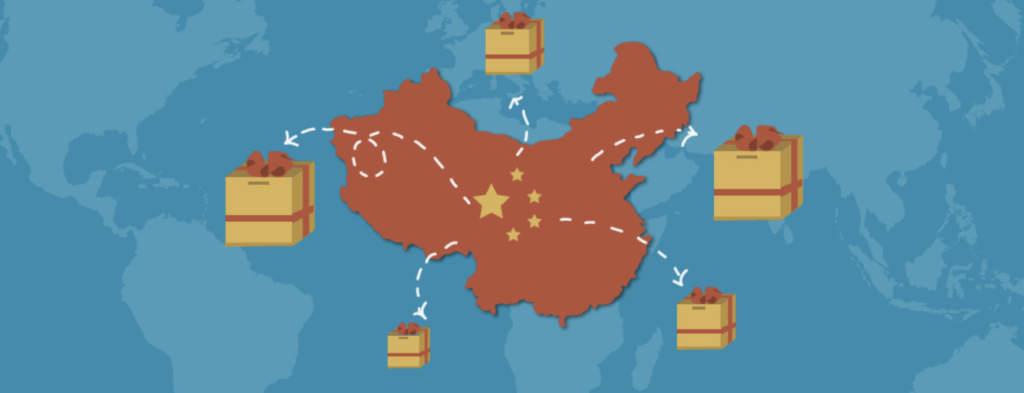
Buying direct means you contact manufacturers yourself — usually through platforms like Alibaba, trade fairs, referrals, or factory visits — and handle every step independently.
You negotiate pricing.
You define specifications.
You manage samples.
You coordinate inspections.
You arrange shipping.
You are in full control.
This model works best when:
- You have sourcing experience
- You understand Chinese business culture
- You can verify factories independently
- You have internal quality control processes
- You’re comfortable managing logistics
On paper, direct sourcing eliminates commission fees. You communicate with the factory without intermediaries. That sounds efficient.
But control also means responsibility. Every mistake — from unclear specifications to overlooked defects — falls entirely on you.
Direct sourcing is powerful, but it requires knowledge, time, and structure.
What Is a China Sourcing Agent?
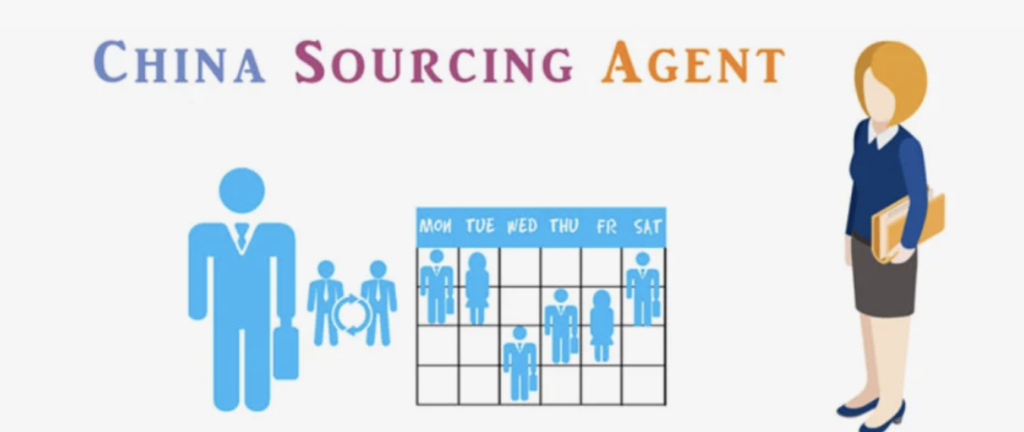
A China sourcing agent is a local representative who works on your behalf to manage factory relationships and production processes.
They typically handle:
- Supplier identification
- Factory verification
- Price negotiation
- Sample coordination
- Quality inspections
- Production follow-ups
- Shipping support
- Problem resolution
Instead of communicating directly with factories, you communicate with your agent. They translate your requirements into actionable instructions for manufacturers.
Professional agents operate either on a commission model (usually 3–10%) or a flat service fee.
Think of them as your on-the-ground operations manager in China.
The big question is — does that service justify the cost?
Let’s analyze.
Pros of Buying Direct from Factories

1. Lower Apparent Costs
The biggest advantage of buying direct is avoiding agent commissions. On high-volume orders, saving even 5% can look attractive.
For example:
- $100,000 order
- 5% agent fee = $5,000
That seems significant.
However, this only remains an advantage if you avoid costly mistakes elsewhere.
2. Full Control Over Communication
When you communicate directly with factories, nothing gets filtered. You can explain details precisely and build a relationship firsthand.
For experienced importers, this direct access speeds up decision-making.
3. Direct Relationship Building
Strong factory relationships can lead to:
- Better payment terms
- Priority production slots
- Early access to new products
Direct buyers who maintain long-term partnerships often benefit from loyalty advantages.
Cons of Buying Direct
Here’s where things get serious.
1. Supplier Verification Risks
Not every supplier online is a real factory. Some are trading companies pretending to manufacture. Others outsource production without telling you.
Without on-site verification, you may never know.
2. Language & Cultural Barriers
Miscommunication happens easily. A “yes” may simply mean “I understand,” not “I agree.”
Small misunderstandings about materials, measurements, or packaging can lead to entire shipments being wrong.
3. Quality Control Challenges
Without local presence, you rely on factory-provided photos.
Are those photos from your batch?
Are defects being hidden?
If you skip third-party inspection, you’re gambling.
4. Logistics & Compliance Complexity
Handling export documents, customs requirements, and shipping coordination alone can become overwhelming — especially if your country has strict regulations.
Pros of Hiring a China Sourcing Agent

1. Local Expertise & Factory Network
Experienced agents already know reliable factories. They understand pricing benchmarks and can quickly filter out unreliable suppliers.
This saves weeks of research.
2. Negotiation Leverage
Factories often quote higher prices to foreign buyers. A local agent understands realistic price ranges and negotiates more effectively.
Sometimes, the price savings they secure offset their commission.
3. Quality Control Oversight
A good sourcing agent conducts inspections before shipment. They check materials, dimensions, packaging, and functionality.
Catching defects early prevents expensive returns.
4. Risk Reduction & Problem Solving
When problems arise — and they will — a sourcing agent negotiates directly with factories.
Instead of arguing across time zones, you have someone physically present resolving the issue.
Cons of Hiring a Sourcing Agent
1. Service Fees
Yes, agents cost money. Commission adds to product cost. Margins must absorb that expense.
2. Risk of Choosing the Wrong Agent
Not all agents are reliable. Hidden commissions, weak factory networks, and poor communication can create new problems.
Due diligence is critical.
3. Less Direct Factory Communication
Some buyers prefer building direct factory relationships. With an agent, communication may be slightly less personal.
Cost Comparison: Agent vs Direct
Short-Term Costs
Direct sourcing appears cheaper initially because there’s no commission fee.
Long-Term Profitability
However, if an agent prevents just one defective shipment, avoids one scam supplier, or negotiates better pricing, they may save far more than their fee.
Cost isn’t just about numbers — it’s about risk exposure.
When Buying Direct Makes More Sense
While a China sourcing agent can provide structure and protection, there are situations where buying direct from factories is not only viable — it’s strategically smarter. The key is knowing when you’re truly ready to manage the process yourself.
Buying direct isn’t about cutting corners. It’s about having the experience, systems, and confidence to handle sourcing independently. Let’s explore when this approach makes the most sense.
1. When You Have Solid Importing Experience
Experience changes everything.
If you’ve already completed multiple successful import cycles, understand production timelines, know how to read factory quotations, and can identify red flags quickly, you may not need an intermediary.
Experienced importers typically:
- Know how to verify business licenses
- Understand Incoterms (FOB, CIF, EXW)
- Calculate landed costs accurately
- Arrange third-party inspections independently
- Handle freight forwarders and customs brokers
At this level, adding an agent may feel redundant. You already know the process. You’ve built internal systems. You understand the rhythm of production and shipping cycles.
For seasoned importers, direct sourcing can increase efficiency and reduce overhead.
2. When You Have an Established, Trusted Factory Relationship
Trust is powerful in Chinese manufacturing culture.
If you’ve been working with the same factory for years and have:
- Consistent product quality
- Clear communication channels
- Stable pricing agreements
- Defined production timelines
Then inserting a sourcing agent into that relationship may not add much value.
Long-term factory partnerships often lead to:
- Better payment terms
- Priority production during busy seasons
- Faster problem resolution
- Improved collaboration on new products
Once trust is firmly established, direct communication strengthens the relationship further.
3. When Your Product Is Simple and Standardized
Not all products require complex oversight.
If you’re sourcing standardized items such as:
- Generic packaging materials
- Simple accessories
- Basic consumer goods
- Non-customized components
The risk level is lower.
There’s less room for misinterpretation because specifications are straightforward. Production processes are standardized. Customization is minimal or nonexistent.
In these cases, direct sourcing can be efficient and cost-effective, especially when quality requirements are not highly technical.
4. When You Have Your Own Quality Control System
If you already work with third-party inspection companies or maintain your own QC staff in China, you may not need a sourcing agent for oversight.
Some importers:
- Hire independent inspection agencies
- Use freight forwarders with local presence
- Travel to China regularly
- Employ regional managers
If you’ve built your own infrastructure for factory audits, inspections, and logistics coordination, you’ve essentially replaced many functions of a sourcing agent.
In this scenario, paying commission may not justify the additional layer.
5. When Order Volume Is Consistent and Predictable
Large, consistent buyers often benefit from direct factory relationships.
Why?
Because factories prioritize:
- Repeat business
- Long-term contracts
- High-volume clients
If your monthly or quarterly orders are substantial, you gain negotiation leverage directly.
You may secure:
- Lower unit pricing
- Flexible MOQs
- Custom payment structures
- Priority during peak seasons
At scale, even a small commission percentage can represent a significant amount of money. Cutting out intermediary fees can improve margins — provided you can manage the process reliably.
6. When You Can Visit China Regularly
Physical presence changes the game.
If you visit factories:
- You verify operations firsthand
- You inspect production in person
- You strengthen relationships face-to-face
- You negotiate directly
In-person visits reduce the need for constant third-party oversight. Factory owners take direct clients more seriously when they’ve met personally.
If travel is part of your regular sourcing strategy, buying direct often makes more sense.
7. When Margins Are Extremely Tight
In highly competitive industries, margins can be razor-thin.
If your profit per unit is minimal, even a 5% sourcing commission may significantly impact profitability.
However — and this is critical — cost savings should never come at the expense of risk management. Direct sourcing only makes sense in tight-margin industries if you’re confident in your ability to manage quality and logistics independently.
Otherwise, small savings today may lead to larger losses tomorrow.
8. When You Want Full Control Over Negotiations
Some entrepreneurs prefer full transparency and direct negotiation.
Buying direct gives you:
- Direct access to factory pricing
- Immediate feedback during discussions
- Stronger personal relationships
- Full visibility into supplier dynamics
If you value control and have the experience to manage it, direct sourcing allows you to oversee every detail without filters.
Control can be empowering — but only when paired with competence.
When Hiring an Agent Is the Smarter Choice

There’s a time to go direct — and there’s a time to bring in professional support. Hiring a China sourcing agent isn’t about adding an extra layer for no reason.
It’s about recognizing when complexity, risk, or scale make local expertise not just helpful — but strategic.
So when exactly does hiring an agent become the smarter move?
Let’s break it down clearly.
1. When You’re New to Importing from China
If this is your first time sourcing from China, hiring an agent is often the safest path. Why? Because the learning curve is steep.
You’re not just negotiating price. You’re navigating:
- Factory verification
- Cultural communication differences
- Production timelines
- Quality inspection standards
- Export documentation
- Shipping coordination
- Customs compliance
One overlooked detail — like incorrect HS codes or unclear material specifications — can result in shipment delays or rejected goods.
A sourcing agent already understands these moving parts. Instead of learning through expensive mistakes, you leverage their experience from day one.
For beginners, an agent isn’t an expense. It’s risk insurance.
2. When Your Product Is Complex or Customized
Simple, standardized products are easier to manage directly. But once customization enters the picture, complexity multiplies.
Custom products may involve:
- Unique materials
- Specific measurements
- Private labeling
- Custom packaging
- Compliance certifications
- Prototype revisions
Each detail must be clearly communicated and verified during production. A misunderstanding about thickness, stitching, or hardware can ruin an entire batch.
A sourcing agent ensures:
- Specifications are translated precisely
- Samples match final production
- Quality checks are performed during manufacturing
- Adjustments are made early — not after shipment
The more technical your product, the more valuable local oversight becomes.
3. When You Can’t Visit China Personally
If you’re not physically visiting factories, you’re relying entirely on remote communication. Photos and videos are helpful — but they don’t always tell the full story.
An agent can:
- Conduct factory audits
- Inspect production lines
- Verify machinery and workforce
- Confirm raw material quality
- Perform in-person negotiations
Think of it this way: would you invest thousands of dollars in equipment you’ve never seen, from a supplier you’ve never verified?
A sourcing agent becomes your physical presence in China.
4. When Order Volume Is Increasing
As your business grows, complexity grows with it.
Higher volume means:
- Larger financial risk
- Stricter production deadlines
- Greater quality expectations
- Increased customer pressure
At small scale, mistakes hurt. At large scale, mistakes multiply.
An agent helps manage:
- Production scheduling
- Factory capacity planning
- Multiple supplier coordination
- Quality consistency across batches
When your supply chain becomes more complicated, having someone dedicated to managing it locally becomes strategic — not optional.
5. When You Want Stronger Negotiation Leverage
Factories often quote higher prices to overseas buyers, especially new ones. A local sourcing agent understands market pricing and negotiation dynamics.
They know:
- Realistic material costs
- Standard labor pricing
- Reasonable profit margins
- Seasonal pricing fluctuations
Because they operate locally and often bring repeat business, factories may offer them better terms.
In some cases, the price reduction an agent negotiates offsets a large portion of their commission.
Negotiation in China is part strategy, part relationship-building. Local experience matters.
6. When Quality Consistency Is Critical
If you’re building a brand — especially in competitive markets like Amazon, Shopify, or retail distribution — quality consistency is non-negotiable.
One defective batch can lead to:
- Negative reviews
- Refund requests
- Platform penalties
- Brand damage
A sourcing agent monitors:
- Raw materials before production
- Mid-production quality
- Final random inspections
- Packaging standards
Quality control isn’t just about checking finished goods. It’s about catching problems early.
If brand reputation matters to you, local quality oversight becomes extremely valuable.
7. When You Value Time Over Micromanagement
Managing suppliers directly takes time — a lot of it.
Daily communication. Production follow-ups. Inspection coordination. Shipping arrangements. Time zone differences. Problem-solving.
If you’re trying to grow your business, market your products, and manage operations simultaneously, sourcing can become overwhelming.
Hiring a sourcing agent allows you to:
- Focus on sales and growth
- Delegate operational complexity
- Reduce stress
- Avoid late-night time zone calls
Sometimes, the smartest move isn’t doing everything yourself — it’s building the right support system.
8. When Risk Reduction Is a Priority
Every import order carries financial risk. The bigger the order, the bigger the exposure.
Risks include:
- Fraudulent suppliers
- Production delays
- Substandard materials
- Miscommunication
- Logistics errors
A reliable sourcing agent minimizes these risks by:
- Verifying supplier legitimacy
- Structuring payment terms carefully
- Monitoring production timelines
- Conducting inspections before final payment
You can’t eliminate risk entirely. But you can reduce it significantly.
Hybrid Approach: The Best of Both Worlds?
Some importers use agents initially to identify and verify factories, then gradually transition to direct relationships.
This combines risk reduction with long-term cost efficiency.
Conclusion
There’s no universal answer. China sourcing agent vs buying direct depends on your experience, order size, and risk tolerance.
Direct sourcing offers control and potentially lower upfront costs — but higher operational risk.
A sourcing agent adds cost — but reduces uncertainty and protects quality.
The smartest choice isn’t the cheapest option. It’s the one that aligns with your capabilities and long-term business strategy.
FAQs A propos de China Sourcing Agent

1. Is hiring a China sourcing agent worth it?
Yes, especially for new importers or complex products.
2. How much does a sourcing agent charge?
Typically 3–10% commission or a flat fee.
3. Can I switch from agent to direct sourcing later?
Yes, many businesses start with agents and transition later.
4. Is direct sourcing always cheaper?
Not necessarily — mistakes can outweigh commission savings.
5. What’s the safest option for beginners?
Hiring a verified sourcing agent reduces risk significantly.