True Cost Importing Electronics from China: The 2026 Landed Cost Guide
📋 Table of Contents
- Executive Summary
- What Are the Components of Landed Cost for Electronics from China?
- Hidden Fees That First-Time Importers Overlook
- Country-Specific Compliance Requirements (Mexico, Brazil, EU)
- How to Vet Electronics Manufacturers and Avoid Counterfeit Products
- Shipping & Logistics Cost Scenarios: Sea vs. Air vs. Express
- Key Takeaways
- FAQ
Calculating the true cost importing electronics from china goes far beyond the unit price on Alibaba. Between hidden shipping surcharges, mandatory certifications like CE and NOM, and unexpected customs storage fees, importers from Latin America and Europe often see their final cost double or triple. Working with a trusted China sourcing agent can reduce these surprises, but you still need to know every line item.
Executive Summary
- Landed cost markup: Importers typically pay 2.8 to 4 times the ex-factory price once freight, duties, and compliance costs are added, according to the Alibaba 2026 Trade Index.
- Customs delays: Mexican SAT data from 2025 shows that 22% of electronics shipments from China are held for additional inspection due to incomplete certification.
- Compliance fines: The European Commission reports that non-compliant electronics imports face fines up to €15 million under the CE Marking Directive.
- Supplier fraud rate: CCPIT’s 2025 cross-border trade report indicates that 28% of South American electronics importers encountered false certification or bait-and-switch components.
- Inspection savings: Third-party pre-shipment inspection typically reduces quality-related returns by 70% (International Trade Centre, 2024).
What Are the Components of Landed Cost for Electronics from China?
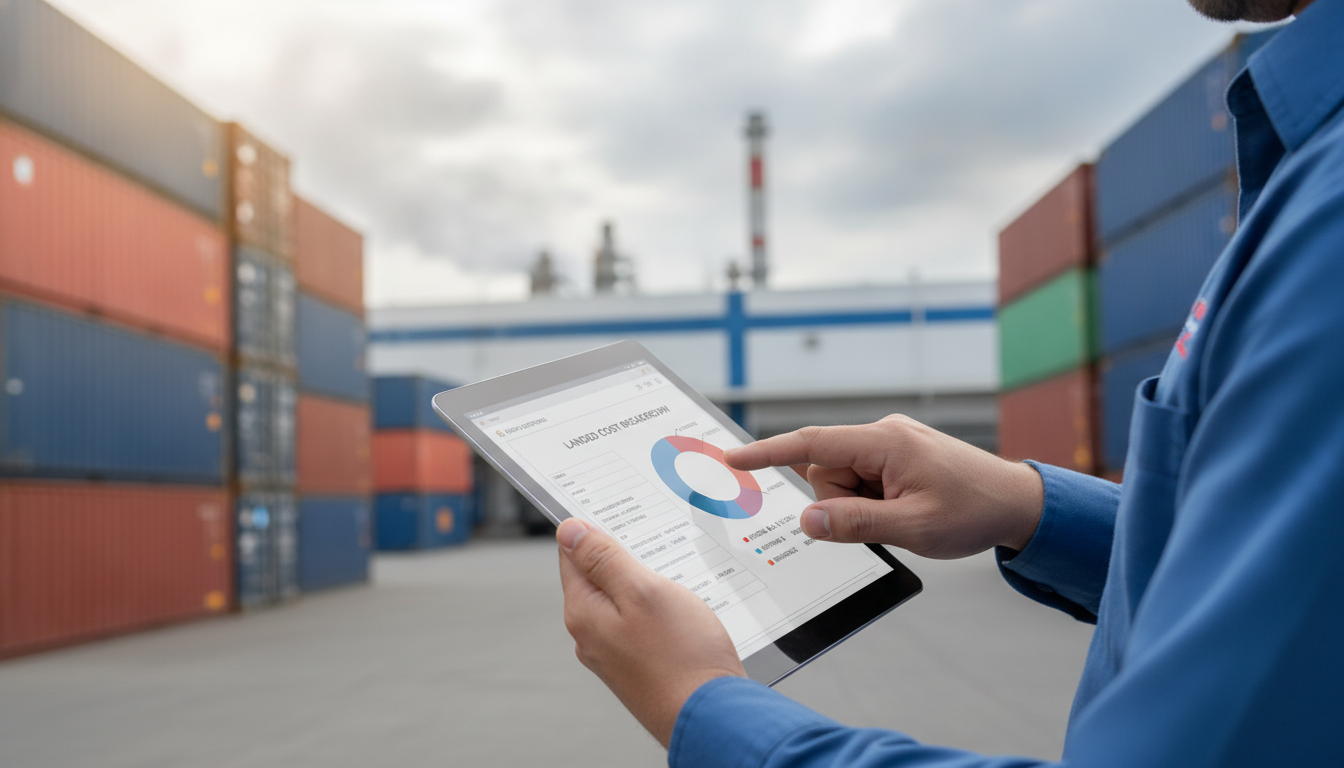
The true cost importing electronics from china starts with the ex-factory price, but quickly adds freight, insurance, duties, taxes, and handling fees. For a medium-sized importer placing a 1,000-unit order of Bluetooth earphones, the final landed cost often exceeds the initial quote by 180% to 300%. The exact hit depends on your country’s tariff structure and the Incoterms you negotiate.
Cost Breakdown for a Typical Electronics Shipment
In this example, the ex-factory price was $4,500, but the true cost landed in Mexico reached $9,260, a 106% increase.
Hidden Fees That First-Time Importers Overlook
Even experienced buyers underestimate the administrative and compliance expenses tied to electronics. These costs hit hardest when products get flagged for missing paperwork or fail lab tests at the port.
Customs Bond and Daily Storage Charges
If your customs broker files a temporary import bond or your shipment is selected for physical inspection, you’ll pay $80 to $150 per day in storage at the terminal. A 5-day delay can add $750 to your bill. In Colombia, DIAN requires a formal import declaration with an electronic signature; any mismatch triggers an automatic hold, with warehousing fees starting at $120 per day.
Compliance Testing and Re-Testing Fees
Electronics must pass local safety and electromagnetic compatibility tests. A CE EMC test in a notified EU lab costs $1,200 to $3,000 per product family. If the first sample fails, you pay for re-testing. Brazil’s INMETRO certification for household electronics can take 60 days and cost $4,000+, with annual follow-up audits that run $1,800 each.
Currency Conversion and Payment Wire Fees
Suppliers often invoice in USD, but your local bank charges a 1.5% to 3% markup on the exchange rate plus a $30 to $50 wire transfer fee. When paying a $20,000 invoice, conversion losses alone can reach $600. Using a multi-currency account or a payment platform like Wise reduces this to around 0.4%.
Typical hidden costs: $700 to $2,200 per shipment in unexpected fees. Common trigger: incomplete NOM or CE documentation.
Country-Specific Compliance Requirements (Mexico, Brazil, EU)
Every electronics product must meet the importing country’s certification and labeling rules before clearing customs. The table below compares the three most critical markets for Latin America and Europe.
Mexico’s NOM Process
Mexico’s SAT requires importers to register an RFC tax ID and hire a licensed customs broker for shipments above $2,500 USD. Electronics must carry a NOM label and a QR code linking to the certificate. In 2024, SAT introduced real-time X-ray scanning at Manzanillo, catching 12% of mislabeled consumer electronics. Without a verified supplier who understands these requirements, your shipment risks weeks of costly detention.
Brazil’s INMETRO Maze
INMETRO certification is product-specific and requires a local representative in Brazil. You must submit a sample to an accredited lab like IPT or TUV Rheinland Brazil. The average timeline is 45-90 days, and costs for a Bluetooth speaker run $4,200 to $5,800. If your factory changes a component mid-run, you must re-certify. Many importers stagger orders with a consolidation service to avoid holding inventory while certificates renew.
EU CE Marking & WEEE
CE marking is not a single test, it is a suite of directives. Bluetooth devices need EMC, Radio Equipment Directive (RED) testing, and RoHS compliance for restricted substances. Non-compliance triggers a RAPEX alert, pulling your product from Amazon and the entire EU market. Fines are issued by each member state, with Germany’s Bundesnetzagentur imposing up to €500,000 per violation. Always request the factory’s test reports and match them to the CE certificate before shipment.
How to Vet Electronics Manufacturers and Avoid Counterfeit Products
The true cost importing electronics from china includes the cost of verification. Skipping this step leads to counterfeit chips, unsafe lithium batteries, and shipments that never arrive. CCPIT’s 2025 report found that buyers who paid for a factory audit before their first order reduced disputes by 82%.
1. Verify Business License and Export History
Ask for the supplier’s business license (营业执照) and cross-check it on the National Enterprise Credit Information Publicity System. Accept only manufacturers with an export license and a track record of at least 3 years of exporting to your target market. A shell company will often show a registered address in a residential apartment instead of an industrial zone.
2. Request Product Samples and Component Specifications
Order a production sample, not a pre-made sample from a trade show. Specify the exact chipset, battery cell brand (e.g., Samsung SDI vs. generic), and PCB thickness. Send the sample to a lab like SGS or Bureau Veritas for a bill-of-materials test. In our 23+ years sourcing electronics from Yiwu and Foshan, we have seen at least 25% of samples deviate from the agreed spec within the first two shipments.
3. Conduct Factory Audits and On-Site Testing
A basic audit checks ISO 9001 status, production line organization, and component storage conditions. For electronics, you need an advanced audit that includes ESD protection verification, solder quality inspection, and battery safety testing. A third-party audit costs $350, $700 and takes one day. Our quality control service includes product-specific on-site checks like Hi-Pot and ground continuity tests.
Shipping & Logistics Cost Scenarios: Sea vs. Air vs. Express
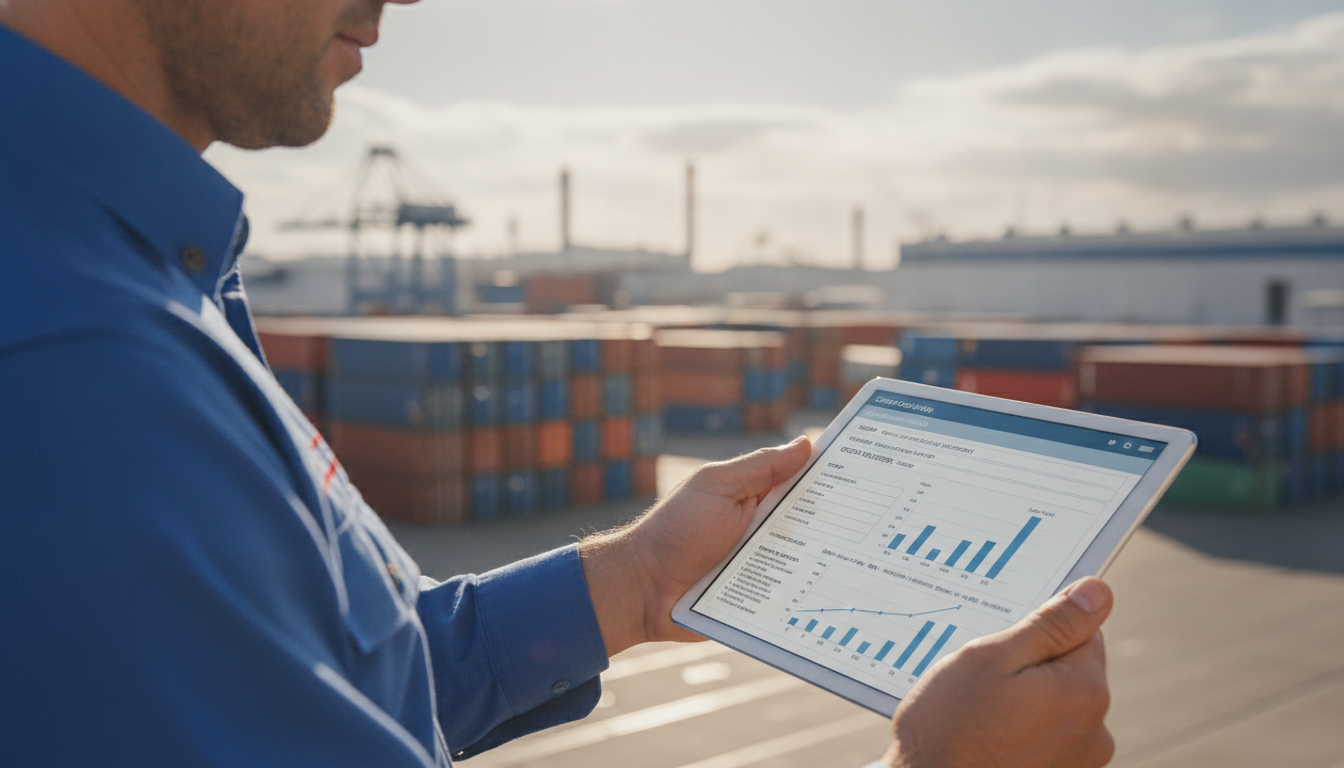
Electronics are sensitive to handling and transit time, making the shipping mode a key cost variable. Lithium-ion batteries add dangerous goods surcharges of $25, $80 per carton. The table below shows typical door-to-door rates from Shenzhen to Mexico City in 2026.
Sea Freight for Bulk Electronics
Ocean shipping remains the most cost-effective for orders over 2 cubic meters. Consolidating multiple supplier shipments into one container at our Yiwu warehouse cuts per-unit freight by up to 30%. Plan for potential congestion at the Panama Canal; in late 2025, routing via the Suez added 8 days but saved $800 on a 20-foot container compared to the Pacific route.
Air Freight and Dangerous Goods Handling
Lithium-ion batteries require a UN38.3 test report and a MSDS sheet before an airline will accept the cargo. Even with docs, freight forwarders charge a $45, $85 dangerous goods fee per air waybill. Use managed freight services that bundle DG paperwork and consolidation to avoid mid-airway rejections.
Express Courier Pitfalls
DDP (Delivered Duty Paid) service quotes often exclude storage if the local DHL hub holds the package for a compliance check. A shipment of 100 USB-C cables sent via DHL to Paris incurred a €130 storage fee and €240 in customs brokerage because the shipper omitted the CE declaration. Always confirm Incoterms DDP includes all destination-side fees, not just carriage.
Key Takeaways
- The Alibaba 2026 Trade Index shows that landed costs for electronics are 2.8-4× the ex-factory price across Latin America and Europe.
- Mexican SAT data reveals 22% of electronics imports from China are held for missing NOM certificates, triggering storage fees from $80/day.
- The European Commission enforces fines up to €15 million for non-compliant CE-marked electronics, with individual member states adding further penalties.
- CCPIT’s 2025 cross-border report found 28% of South American importers encountered counterfeit certificates or bait-and-switch components.
- Pre-shipment inspection by a notified body reduces quality-related returns by 70%, according to the International Trade Centre (2024).
- Consolidating orders at a China-based warehouse can lower freight costs by 25%, 30% compared to shipping from each factory individually.
FAQ
What is the true cost of importing electronics from China?
The true cost includes the ex-factory price plus freight, insurance, import duties, VAT, customs brokerage, compliance testing, and often a pre-shipment inspection. For a typical order, total landed cost is 2.8 to 4 times the unit price seen on Alibaba.
How can I avoid hidden fees when importing electronics?
Request a door-to-door DDP quote that includes all destination charges: duty, VAT, customs bond, and broker fees. Ask the supplier for a detailed FOB price breakdown and always budget an extra 12-18% for unforeseen port storage and re-testing fees.
What certifications do electronics need for Latin America?
Mexico requires NOM-001-SCFI for safety and NOM-208 for wireless; Brazil demands INMETRO or ANATEL certification. Both require a local representative and product testing. Beginning 2026, Argentina enforces IRAM safety marks for consumer electronics.
What is the minimum order quantity (MOQ) for electronics from China?
MOQs for custom OEM electronics start at 500-1,000 units. Off-the-shelf consumer gadgets may have MOQs as low as 50 units. Some factories will lower MOQs if you accept a 5-10% price increase per unit.
How much does a factory audit cost for electronics suppliers?
A basic factory audit in Guangdong or Zhejiang costs $350 to $700. An advanced audit covering ESD control and solder quality runs $650 to $1,100. Third-party labs like SGS or TUV offer electronics-specific audits with detailed reporting.
Get a free supplier audit and a detailed landed cost calculation for your electronics order.
Request Your Cost Breakdown →