Supplier Stolen Product Designs Detection China [2026 Guide]
![Supplier Stolen Product Designs Detection China [2026 Guide]](https://goodcantrading.com/wp-content/uploads/2026/08/featured-supplier-stolen-product-designs-detection-china.png)
📋 Table of Contents
When a Mexican importer discovered his custom packaging design listed on Alibaba by three different suppliers within 48 hours of sending samples, he realized supplier stolen product designs detection China required more than a signed NDA. Many buyers discover the hard way that generic brand-protection tools focus on marketplace takedowns after damage is done, rather than identifying which factory leaked or copied the design in the first place.
Executive Summary
- Ghost factory prevalence: Buyers report that superficial supplier checks miss fake addresses and middlemen posing as manufacturers, requiring proof from customs records and live site visits instead of basic business-license lookups.
- Detection timing: Reverse image searches on Alibaba, 1688.com, and Taobao within 24 hours of sharing technical files can catch unauthorized listings before production begins.
- Evidence chain: Customs declaration data, GACC registration numbers, and timestamped factory video calls create a verifiable chain of title that proves which entity received your drawings first.
- Enforcement gap: Buyers struggle to get actionable help when infringing listings appear because takedown guides assume users already have the right evidence, IP registrations, and platform-specific process knowledge.
- Multilingual support: Cross-border sourcing teams in Mexico, Colombia, Argentina, Chile, and Brazil need Spanish and French-speaking agents who can coordinate legal notices and factory audits across time zones.
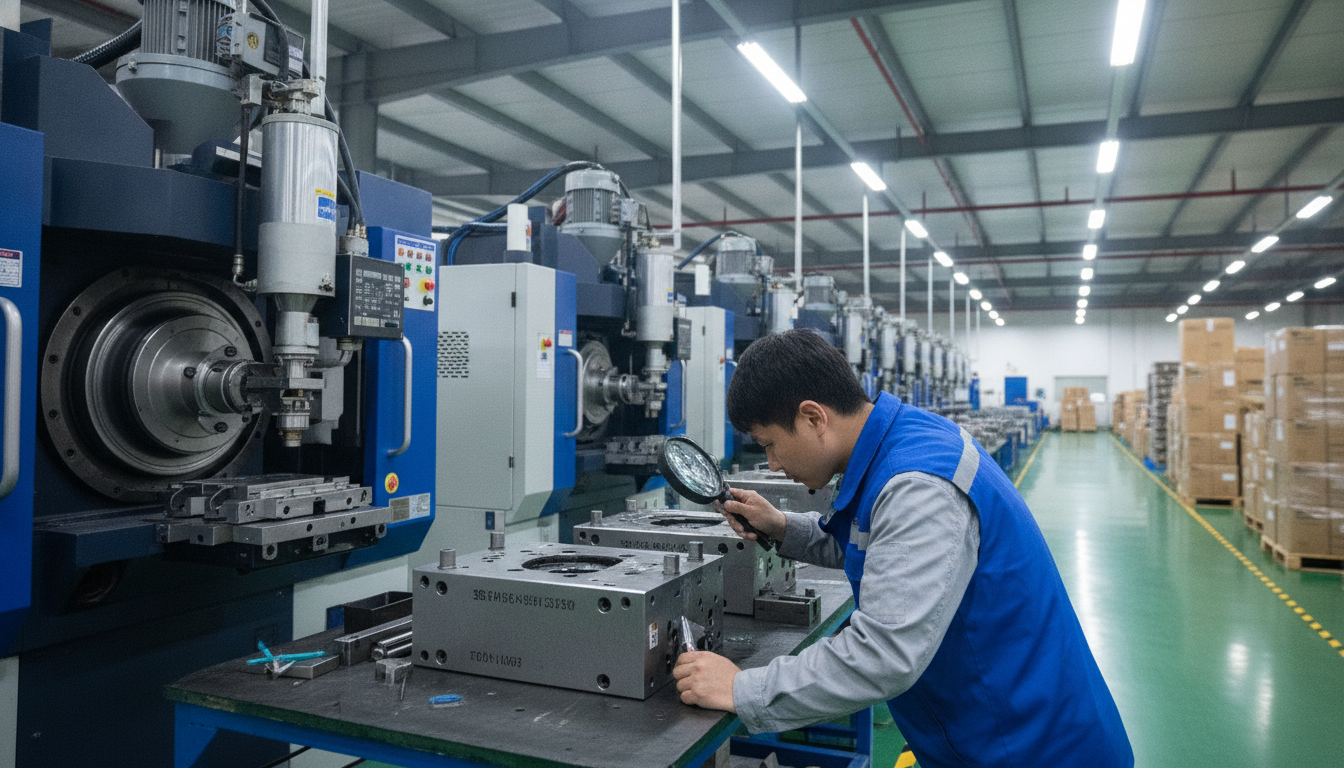
How Design Theft Happens in Chinese Factories
Supplier stolen product designs detection China starts with understanding the three pathways through which intellectual property leaves your control. Each pathway requires a different detection method.
Mold and Tooling Reuse
A factory receives your custom injection mold order, produces your initial batch, then runs the same mold for other clients or their own brand. The mold ownership clause in your contract determines whether you can legally demand destruction after production ends. Many buyers discover unauthorized reuse only when a competitor’s product arrives with identical micro-details like parting lines, ejector-pin marks, or draft angles that match their original CAD file. Our quality control team photographs mold serial numbers and compares them against your approved tooling list during random inspections.
Artwork and Packaging File Sharing
Print shops and packaging suppliers in Yiwu and Shenzhen often serve 20 to 30 clients simultaneously. When you send print-ready artwork files, the supplier may store them on a shared server or reuse design elements for other customers. A Colombian buyer found his product photography and Spanish-language label text on a competitor’s Amazon listing three weeks after sending final print files. The leak occurred because the packaging supplier’s graphic designer freelanced for multiple brands and recycled approved layouts. Watermarking every layer of your AI or PSD file with a unique identifier code allows you to trace the leak source when unauthorized versions appear.
Sales Team Parallel Quoting
Trading companies and larger factories assign one sales representative to handle 50 to 100 inquiries per month. When you share technical specifications or product samples for a quote, that same sales rep may send your specs to five competing factories to compare pricing, inadvertently distributing your design to entities you never authorized. A trusted China sourcing agent with direct factory relationships eliminates the middleman layer where most unintentional leaks occur.
Pre-Production Detection Methods
Detecting design theft before you commit to production saves the cost of tooling, deposits, and legal fees. The following methods work best when applied within 72 hours of sharing any technical file.
Reverse Image Search Across Chinese Platforms
Upload your product rendering, CAD screenshot, or sample photo to Baidu Image Search, Taobao Image Search, and 1688.com’s image lookup tool. These platforms index millions of supplier listings that never appear on Alibaba’s English site. Set a calendar reminder to repeat the search every 48 hours for the first two weeks after sending samples. One Mexican furniture importer caught an unauthorized listing on 1688.com within 36 hours of sharing his chair design, allowing him to cancel the order before paying the 30% deposit.
GACC Registration and Customs Declaration Cross-Check
Every legitimate Chinese exporter must register with the General Administration of Customs of China and obtain a 10-digit customs code. Request this code from your supplier, then verify it against the GACC public database at http://www.customs.gov.cn. Cross-reference the registered company name, legal representative, and business scope with the entity named on your proforma invoice. Mismatches indicate a trading company or shell entity that may lack the authority to protect your IP. Our Yiwu and Foshan sourcing desks run this verification as standard procedure before sharing any client’s technical drawings.
Business License Verification on GSXT
The National Enterprise Credit Information Publicity System (GSXT) at http://www.gsxt.gov.cn publishes the business license, registered capital, shareholder structure, and legal disputes for every Chinese company. Search the supplier’s exact registered name in Chinese characters. Check the business scope section to confirm they are licensed to manufacture your product category. A supplier claiming to produce electronics whose license only covers trading or consulting is a red flag. Download a timestamped PDF of the license page as evidence for future disputes.
Live Factory Video Call with Serial Number Verification
Schedule a live video call via WeChat or WhatsApp and ask the supplier to walk through the production floor, showing specific equipment serial numbers you provide in advance. Compare the visible serial numbers, factory layout, and background signage against the address listed on their business license. A genuine factory can complete this request within 24 hours. Delays, excuses, or refusals suggest the supplier is a trading company using stock footage or another factory’s facility. Record the call and save the timestamped video file as part of your supplier due diligence folder.
Third-Party Factory Audit with IP Risk Assessment
Commission an on-site audit through an independent inspection company or sourcing agent before sharing proprietary files. The auditor should photograph the factory’s client wall, sample room, and any visible molds or packaging materials to identify whether competing brands are being produced in the same facility. Request a written IP risk assessment that evaluates the factory’s document security, employee turnover rate, and history of legal disputes related to design infringement. This audit costs between $300 and $800 but provides a timestamped third-party report you can use as evidence if a dispute arises later.
During-Production Monitoring Techniques
Once production begins, continuous monitoring detects unauthorized batch runs, mold reuse, and parallel orders for competing buyers. These techniques require coordination with local staff or an agent who can visit the factory without advance notice.
Unannounced Quality Inspections
Schedule random inspections during production without notifying the supplier more than two hours in advance. The inspector should count the number of units in progress, verify mold serial numbers match your approved list, and photograph any other products being manufactured on adjacent lines. A sudden increase in output or the presence of similar products with minor design variations suggests the factory is running your mold for other clients. Our supplier management process includes random mid-production audits for all custom-tooling orders above $10,000.
Mold Custody and Serial Number Tracking
Engrave a unique serial number and your company name directly onto the mold cavity before the first production run. Photograph the engraved serial number and require the factory to show it during every inspection. Store the mold in a locked cage or off-site warehouse between production runs if your order volume allows. Include a contract clause requiring the factory to notify you in writing 48 hours before using the mold for any purpose. One Argentine buyer discovered his mold was being used for a competing brand when an unannounced inspector found a different serial number etched over his original marking.
Production Log and Material Reconciliation
Request daily production logs showing the number of units completed, raw material consumed, and scrap rate. Cross-check these numbers against the material quantities you approved in the purchase order. A factory producing 10,000 units but consuming material for 15,000 units is likely running unauthorized batches. Require the supplier to provide photos of the material inventory at the start and end of each production day. Discrepancies larger than 5% warrant an immediate on-site investigation.
Employee NDA and Factory Access Control
Require the factory to sign employees working on your order to a non-disclosure agreement that prohibits them from photographing, copying, or sharing your design files. Request a copy of the factory’s visitor log to verify that unauthorized third parties are not entering the production area during your order. Factories with weak access control allow sales reps, freelance designers, and even competing buyers to walk through active production lines, creating multiple leak points. A well-managed factory uses badge-controlled entry, security cameras, and signed visitor agreements for anyone entering the production floor.
Post-Production Enforcement and Evidence Preservation
When you detect an unauthorized listing or discover a competitor selling your design, immediate evidence preservation determines whether you can pursue takedown, legal action, or supplier termination.
Screenshot and Archive Infringing Listings
Capture full-page screenshots of the infringing listing, including the URL, seller name, product title, description, images, and posted date. Use a tool like Archive.org’s Wayback Machine or a paid service like PageFreezer to create a timestamped, legally admissible archive of the webpage. Download all product images at full resolution and save them with the original file metadata intact. This evidence proves the listing existed on a specific date and shows the extent of the infringement. Many platforms remove listings within 48 hours of a takedown request, destroying evidence before you can build a case.
Cease-and-Desist Letter with Specific Evidence
Draft a cease-and-desist letter in Chinese and English that identifies the specific design elements copied, the date you shared them with the supplier, and the contract clause they violated. Attach side-by-side comparison photos highlighting identical features like dimensions, color codes, or unique design details. Send the letter via registered mail and email, keeping the tracking number and delivery confirmation. A well-documented cease-and-desist letter often resolves disputes without litigation, especially when the supplier realizes you have timestamped evidence and a clear chain of custody.
Platform Takedown Request with IP Registration
File a takedown request on Alibaba, 1688.com, Taobao, or Amazon using their intellectual property protection portals. Each platform requires different evidence: Alibaba accepts design patents, trademarks, and copyright registrations, while Amazon prioritizes utility patents and brand registry enrollment. Prepare a comparison chart showing your original design file date, the supplier’s contract signature date, and the infringing listing’s upload date. Platforms process requests faster when you provide clear proof of priority and ownership.
In practice: A Chilean electronics importer removed 12 infringing Alibaba listings within 72 hours by submitting timestamped CAD files and a signed NNN agreement showing the supplier received the design under confidentiality terms.
Supplier Exit and Transition Plan
Terminate the relationship immediately if the supplier refuses to remove infringing listings, deny responsibility, or fails to provide satisfactory evidence they did not leak your design. Secure all remaining inventory, molds, and tooling before notifying the supplier of termination. Transfer production to a backup supplier you have already vetted and audited. Many buyers lose weeks of production time because they did not prepare a contingency plan before confronting the infringing supplier. Our team maintains a vetted backup supplier list for every product category, allowing clients to transition within 10 to 14 days when disputes arise.
Decision Tree: Theft vs. Infringement vs. Trade Secret Leak
Supplier stolen product designs detection China requires distinguishing between three legal categories, each with different remedies and evidence requirements. Misidentifying the violation type delays enforcement and wastes legal fees.
Design Theft
The supplier or a third party copied your design without authorization and is selling it under their own brand or to other buyers. Remedies include cease-and-desist letters, platform takedowns, and contract-based damages claims. Evidence required: signed contract with confidentiality clause, timestamped design files showing your creation date predates the infringing listing, and proof the supplier had access to your files. Design theft claims succeed when you can demonstrate the supplier received your proprietary information under a duty of confidentiality and then used it for unauthorized purposes.
Patent or Trademark Infringement
A third party is using your registered design patent, utility model patent, invention patent, or trademark without permission. Remedies include customs seizure, platform takedowns, and civil litigation for damages. Evidence required: valid IP registration in China, proof the infringing product falls within the scope of your registered claims, and documentation showing the infringer is manufacturing or selling the product in China. Patent infringement cases require technical claim charts prepared by a patent attorney, making them more expensive and time-consuming than contract-based design theft claims.
Trade Secret Leakage
Confidential information such as supplier lists, pricing formulas, customer data, or manufacturing processes was disclosed by an employee, agent, or supplier to a competitor. Remedies include breach-of-contract claims, employee non-compete enforcement, and criminal trade secret theft charges in severe cases. Evidence required: proof the information was kept confidential, the recipient knew or should have known it was confidential, and the disclosure caused measurable economic harm. Trade secret cases often fail because buyers cannot prove they took reasonable steps to maintain secrecy, such as using NDAs, restricting file access, or marking documents as confidential.
Choosing the Right Legal Path
Start with the fastest, lowest-cost remedy available based on your evidence. If you have a signed NNN agreement and timestamped files, pursue a contract-based design theft claim before investing in patent litigation. If you lack IP registrations, focus on platform takedowns and supplier termination rather than customs enforcement. Many buyers waste months pursuing patent infringement claims when a simple cease-and-desist letter based on contract breach would have resolved the issue in weeks. Consult a China IP attorney who can review your evidence and recommend the most efficient enforcement path for your specific situation.
Key Takeaways
- Reverse image searches on Baidu, 1688.com, and Taobao within 24 hours of sharing technical files can catch unauthorized listings before production begins, allowing buyers to cancel orders and avoid deposits.
- The General Administration of Customs of China issues a 10-digit customs code to every legitimate exporter, which buyers can verify against the GACC public database to confirm the supplier’s legal authority to manufacture and export.
- Live factory video calls with serial number verification allow buyers to confirm production equipment and facility layout match the supplier’s business license address within 24 hours, exposing trading companies using stock footage.
- Engraving a unique serial number and company name directly onto custom molds before the first production run creates physical evidence that proves ownership and detects unauthorized reuse during random inspections.
- Platform takedown requests on Alibaba, 1688.com, and Amazon process faster when buyers submit timestamped CAD files, signed NNN agreements, and side-by-side comparison charts showing the original design date predates the infringing listing.
- Distinguishing design theft from patent infringement and trade secret leakage determines the correct legal remedy, with contract-based design theft claims resolving in 2 to 4 weeks compared to 6 to 18 months for trade secret litigation.
FAQ
How can I tell if a China supplier copied my product design?
Run reverse image searches on Baidu, 1688.com, and Taobao using your product photos or CAD renderings within 48 hours of sharing files with the supplier. Compare the upload dates of any matching listings against the date you sent your design. Request the supplier’s GACC customs registration number and verify it matches the entity named on your contract. Schedule an unannounced factory video call to check for similar products on adjacent production lines. If you find listings with identical micro-details like parting lines or draft angles that match your CAD file, the supplier likely reused your mold or shared your design files without authorization.
How do I verify a Chinese factory is real and not a trading company?
Search the supplier’s registered company name on the National Enterprise Credit Information Publicity System (GSXT) at http://www.gsxt.gov.cn and verify the business scope includes manufacturing your product category. Request the 10-digit GACC customs code and cross-check it against the company name on your proforma invoice. Schedule a live video call via WeChat or WhatsApp and ask the supplier to show specific equipment serial numbers you provide in advance, comparing the visible layout against their business license address. Commission a third-party factory audit that photographs the client wall, sample room, and production equipment to confirm the facility matches the supplier’s claims.
What is the best way to protect product designs before manufacturing in China?
Sign an NNN agreement (non-disclosure, non-use, non-circumvention) with the supplier before sharing any technical files, samples, or molds. Register a design patent or trademark in China through the China National Intellectual Property Administration to enable customs seizure and platform takedowns. Watermark every layer of your CAD, AI, or PSD files with a unique identifier code so you can trace the leak source if unauthorized versions appear. Engrave your company name and a unique serial number onto custom molds before the first production run. Require the factory to sign employees to confidentiality agreements and maintain badge-controlled access to the production floor during your order.
How do I prove design infringement by a Chinese supplier?
Capture full-page screenshots of the infringing listing including the URL, seller name, product images, and posted date, then archive the webpage using Archive.org or PageFreezer to create a timestamped, legally admissible record. Download all product images at full resolution with original file metadata intact. Prepare a side-by-side comparison chart showing your original design file date, the supplier’s contract signature date, and the infringing listing’s upload date. Attach your signed NNN agreement and any correspondence proving the supplier received your design under confidentiality terms. Send a cease-and-desist letter via registered mail with tracking confirmation, keeping all delivery receipts as evidence.
What documents should I request from a China supplier to check IP risk?
Request the supplier’s business license from GSXT showing the registered company name, legal representative, and business scope. Obtain their 10-digit GACC customs registration code and verify it against the public customs database. Ask for a client reference list and contact at least two previous buyers to inquire about IP protection and confidentiality practices. Request copies of employee NDAs and the factory’s visitor access control policy. Commission a third-party factory audit that includes an IP risk assessment evaluating document security, employee turnover rate, and any history of legal disputes related to design infringement.
Protect your designs before production starts.
Request a Free Supplier Audit →
Written by Michael Ye, Senior Sourcing Manager at Goodcantrading, 15 years in China sourcing and QC.