If you’re sourcing products from China, you’ve probably compared Alibaba vs AliExpress at some point. Both platforms are owned by the Alibaba Group, but they serve very different types of buyers.
So which one is better for your importing business?
The answer depends on your budget, order volume, customization needs, and long-term strategy.
In this complete guide, we’ll break down pricing, MOQs, customization, shipping, risks, and ideal use cases so you can make the right decision.
Table of contents
- What Is Alibaba?
- What Is AliExpress?
- Alibaba vs AliExpress: Side-by-Side Comparison
- Why Alibaba price is cheaper than AliExpress price?
- Minimum Order Quantity (MOQ)
- Alibaba Vs Aliexpress: Customization & Private Labeling
- Shipping & Delivery Time
- Payment Security
- Supplier Quality: Which Is More Reliable?
- Who Should Use Alibaba?
- Who Should Use AliExpress?
- Risk Factors Comparison
- When Deciding Between Alibaba Vs AliExpress ?
- Alibaba Vs Aliexpress: Pros and Cons Summary
- Final Verdict: Which One Is Better?
- FAQs About Alibaba vs AliExpress
What Is Alibaba?
Alibaba is a global B2B wholesale marketplace designed for bulk buyers, importers, Amazon FBA sellers, and brand owners.
Key Features:
- Bulk purchasing (higher MOQs)
- Direct factory sourcing
- Custom OEM/ODM manufacturing
- Private label branding
- Negotiable pricing
- Trade Assurance protection
Alibaba connects buyers directly with manufacturers and trading companies in China and other countries.
What Is AliExpress?
AliExpress is a B2C retail platform designed for small buyers and individual consumers.
Key Features:
- No minimum order quantity (MOQ)
- Fixed pricing
- Ready-to-ship products
- Fast international shipping
- Simple checkout process
AliExpress works more like Amazon — you buy instantly without negotiating.
Alibaba vs AliExpress: Side-by-Side Comparison
| Feature | Alibaba | AliExpress |
|---|---|---|
| Business Model | B2B (Bulk) | B2C (Retail) |
| Minimum Order | High MOQs | No MOQ |
| Custom Branding | Yes | Rare |
| Price Negotiation | Yes | No |
| Supplier Type | Manufacturers & Traders | Mostly Trading Companies |
| Shipping Speed | Slower (production time) | Faster (ready stock) |
| Best For | Importers & Brands | Dropshippers & Small Sellers |
Why Alibaba price is cheaper than AliExpress price?
Alibaba Pricing
- Lower unit cost
- Requires bulk orders
- Custom quotes
- Negotiable
Example:
If you order 1,000 units, you might pay $2 per unit instead of $5.
AliExpress Pricing
- Higher unit cost
- No bulk discount
- Fixed pricing
AliExpress includes retail margin in pricing.
👉 Winner for large importers: Alibaba
👉 Winner for testing products: AliExpress
Minimum Order Quantity (MOQ)
Alibaba
Most suppliers require:
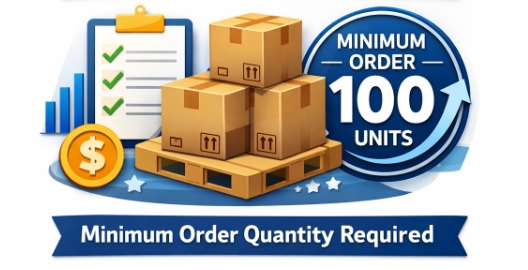
- 100–1,000 units minimum
- Custom packaging MOQs
- Higher MOQs for customization
AliExpress
- Buy 1 piece
- No negotiation required
- Ideal for testing or dropshipping
If you’re starting with a small budget, AliExpress offers lower risk.
Alibaba Vs Aliexpress: Customization & Private Labeling

If your goal is to build a long-term brand, this section matters most.
Alibaba
- OEM (Original Equipment Manufacturing)
- ODM (Original Design Manufacturing)
- Custom logo printing
- Custom packaging
- Product modification
- Private label support
AliExpress
- Limited customization
- Mostly generic products
- Branding usually unavailable
👉 Winner for branding: Alibaba
Shipping & Delivery Time
Alibaba
- Production time: 7–30 days
- Sea freight or air freight options
- Better for container shipments
- Higher logistics coordination
AliExpress
- Ready-to-ship inventory
- ePacket, AliExpress Standard Shipping
- 7–20 days delivery average
- Simplified checkout
👉 Winner for speed: AliExpress
Payment Security
Both platforms offer buyer protection, but the systems differ.
Alibaba Protection
- Trade Assurance
- Escrow payment system
- Contract-based protection
- Bulk transaction security
AliExpress Protection
- Escrow system
- Refund if item not delivered
- Easy dispute process
For large business transactions, Alibaba offers stronger contractual protection.
Supplier Quality: Which Is More Reliable?

Alibaba
- Direct factory access
- Verified supplier badges
- On-site audits available
- Trade show exhibitors
AliExpress
- Mostly resellers
- Limited factory transparency
- Higher risk of inconsistent quality
If you plan long-term sourcing relationships, Alibaba provides better supply chain stability.
Who Should Use Alibaba?
Alibaba is best for:
- Importers buying in bulk
- Vendedores de Amazon FBA
- Private label brands
- Retailers stocking inventory
- Businesses building custom products
- Companies importing containers
If your goal is scaling, branding, and higher profit margins — Alibaba is better.
Who Should Use AliExpress?
AliExpress is ideal for:
- Dropshippers
- Product testers
- Small startups
- Influencer brands testing demand
- Buyers with very small budgets
- Short-term sellers
If you’re experimenting or validating ideas — AliExpress is safer initially.
Risk Factors Comparison
Alibaba Risks
- Large upfront payments
- Longer production cycles
- Quality issues if no inspection
- Supplier miscommunication
AliExpress Risks
- Higher product cost
- Limited branding options
- Unstable stock levels
- Limited scalability
Both require due diligence.
When Deciding Between Alibaba Vs AliExpress?
When deciding between Alibaba and AliExpress, the real question isn’t just pricing or MOQ — it’s:
👉 Which platform supports your long-term business vision?
Your sourcing platform directly impacts scalability, branding power, supply chain control, and profit margins over time.
Let’s break this down strategically.
1️⃣ If Your Goal Is to Build a Real Brand
✅ Best Choice: Alibaba
Building a brand requires:
- Custom product development
- Private labeling
- Unique packaging
- Controlled quality standards
- Consistent supplier relationships
- Higher profit margins
Alibaba allows:
- OEM (Original Equipment Manufacturing)
- ODM (Original Design Manufacturing)
- Logo printing and packaging customization
- Long-term factory contracts
- Bulk cost reduction
Over time, this means:
- Stronger brand identity
- Better product differentiation
- Less price competition
- Higher resale value of your business
AliExpress, on the other hand, mostly sells generic items that many other sellers can access — which makes it difficult to stand out long-term.
Verdict: If you want brand equity and long-term growth, Alibaba wins.
2️⃣ If Your Strategy Is Dropshipping
✅ Best Choice: AliExpress
Dropshipping requires:
- No inventory holding
- Fast order processing
- No MOQ
- Low upfront capital
AliExpress is optimized for:
- Single-item purchases
- Direct-to-consumer shipping
- Easy checkout systems
- Built-in buyer protection
However, dropshipping using AliExpress has long-term limitations:
- Thin profit margins
- High competition
- Limited product customization
- Shipping delays affecting customer satisfaction
Many dropshippers eventually switch to bulk importing via Alibaba once they validate winning products.
Verdict: AliExpress is ideal for starting, but not always ideal for scaling.
3️⃣ If You Plan to Scale to 6 or 7 Figures
✅ Best Choice: Alibaba
Scaling requires:
- Lower cost per unit
- Reliable production capacity
- Repeat manufacturing runs
- Supply chain stability
- Bulk logistics planning
Alibaba allows you to:
- Negotiate long-term contracts
- Reduce costs as volume increases
- Customize packaging for retail
- Import containers
- Control inventory forecasting
AliExpress does not support:
- Container-level imports
- Dedicated production lines
- Custom molds or product improvements
As your revenue grows, margins matter more — and Alibaba provides better cost control.
Verdict: For serious scaling, Alibaba is the stronger long-term partner.
Alibaba Vs Aliexpress: Pros and Cons Summary
Choosing between Alibaba and AliExpress requires more than a quick comparison. Below is a deeper look at the real-world advantages and disadvantages importers experience when using each platform.
✅ Alibaba Pros (Expanded)
1. Lower Unit Costs for Bulk Orders
Alibaba connects buyers directly with manufacturers, allowing you to access factory-level pricing.
The more you order, the lower your cost per unit becomes. This is critical for:
- Vendedores de Amazon FBA
- Private label brands
- Retailers importing containers
- Businesses scaling internationally
Lower unit costs = higher profit margins.
2. Custom Manufacturing (OEM & ODM)
Alibaba allows full product customization, including:
- Logo printing
- Custom packaging
- Product modifications
- Material selection
- Color changes
- Private label development
This makes Alibaba ideal for building long-term brand equity rather than selling generic products.
3. Direct Access to Manufacturers
Unlike retail platforms, Alibaba gives access to:
- Real factories
- Production lines
- Bulk material sourcing
- Direct negotiations
Cutting out middlemen improves:
- Pricing
- Comunicación
- Production control
- Long-term stability
4. Negotiation Power
Prices are not fixed. You can negotiate:
- Unit price
- MOQ
- Payment terms
- Shipping terms (FOB, CIF, EXW)
- Free samples or discounted molds
Strong negotiation can significantly improve margins.
5. Scalable Supply Chain
Alibaba is built for growth:
- Container-level shipments
- Long-term manufacturing contracts
- Repeat production runs
- Dedicated account managers
If your goal is to scale to 6- or 7-figure importing volumes, Alibaba supports that infrastructure.
❌ Alibaba Cons (Expanded)
1. Higher Minimum Order Quantities (MOQs)
Many factories require:
- 100–1,000 units minimum
- Higher MOQs for customization
- Large packaging runs
This increases financial risk for beginners.
2. Larger Upfront Investment
Bulk orders require:
- Deposits (often 30%)
- Production payments
- Shipping costs
- Customs clearance fees
You must have working capital.
3. Longer Lead Times
Production may take:
- 7–30 days manufacturing
- 20–40 days sea shipping
This slows down inventory turnover.
4. Quality Control Responsibility
You are responsible for:
- Inspecting goods
- Hiring third-party inspectors
- Managing specifications
Without proper quality control, risks increase.
✅ AliExpress Pros (Expanded)
1. No Minimum Order Requirement
You can purchase:
- 1 piece
- Small quantities
- Mixed product variations
Perfect for:
- Product testing
- Dropshipping
- Influencer brands
- Small startups
2. Fast and Simple Ordering
AliExpress operates like a retail platform:
- Fixed pricing
- One-click checkout
- Built-in shipping options
- No negotiation required
Great for beginners.
3. Lower Initial Risk
Since you can order small quantities:
- Lower financial exposure
- Easier product validation
- Reduced inventory risk
This makes AliExpress ideal for testing demand before scaling.
4. Faster Delivery for Small Orders
Products are usually ready to ship:
- 7–20 days international shipping
- Standard logistics channels
- Simplified customs process
Useful for dropshipping models.
5. Built-In Buyer Protection
AliExpress offers:
- Escrow payment system
- Refund guarantees
- Easy dispute resolution
Good for small transactions.
❌ AliExpress Cons (Expanded)
1. Higher Product Cost Per Unit
Because AliExpress includes:
- Retail margin
- Platform fees
- Smaller order sizes
Your profit margins will be lower compared to Alibaba bulk sourcing.
2. Limited Customization Options
Most listings are:
- Generic products
- Pre-made designs
- Non-branded
Private labeling is rare and often expensive.
3. Harder to Scale Long-Term
AliExpress is not designed for:
- Container imports
- Custom product development
- Large wholesale distribution
You may outgrow the platform as your business expands.
4. Mostly Trading Companies
Many AliExpress sellers are:
- Resellers
- Middlemen
- Small traders
You rarely work directly with factories.
5. Inconsistent Inventory
Stock levels can fluctuate quickly, which is risky for:
- Fast-growing stores
- Viral products
- Repeat customers
Final Verdict: Which One Is Better?
There is no universal winner.
It depends on your business model.
| Business Goal | Best Platform |
|---|---|
| Test products | AliExpress |
| Build private label brand | Alibaba |
| Import bulk inventory | Alibaba |
| Dropshipping | AliExpress |
| Long-term scaling | Alibaba |
If you’re serious about building a sustainable importing business with better margins and control — Alibaba is usually the smarter long-term choice.
If you’re experimenting with minimal risk — AliExpress is easier to start with.
Conclusion
Choosing between Alibaba and AliExpress isn’t about which platform is “better” — it’s about which one aligns with your importing strategy.
Start small if needed. Validate demand. Then move toward bulk sourcing and branding when ready.
Smart importers don’t just buy products — they build supply chains.
FAQs About Alibaba vs AliExpress

Is Alibaba cheaper than AliExpress?
Yes, for bulk purchases. Alibaba offers lower unit prices but requires higher MOQs.
Can I dropship from Alibaba?
It’s possible, but AliExpress is more dropshipping-friendly due to no MOQ and ready inventory.
Which is safer for beginners?
AliExpress is easier and lower risk for beginners with small budgets.
Can I private label on AliExpress?
Rarely. Alibaba is much better for private labeling and custom branding.
Do both platforms offer buyer protection?
Yes. Both use escrow systems, but Alibaba provides stronger protection for large B2B transactions.