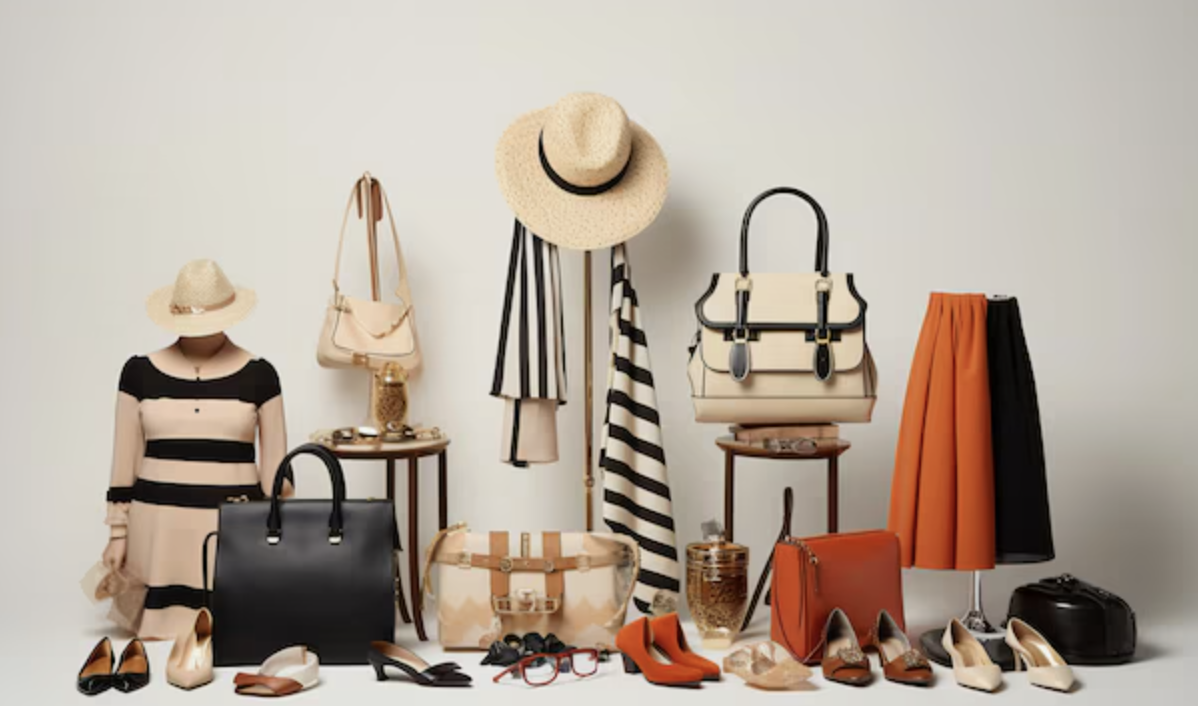
Sourcing apparel and fashion accessories from China has become a popular strategy for businesses, entrepreneurs, and even hobbyists looking to enter the fashion industry.
With a reputation for mass production, low costs, and quick turnaround times, China has earned its spot as the global hub for fashion manufacturing. For beginners, however, stepping into this world can feel overwhelming.
There’s an ocean of suppliers, a maze of shipping methods, and countless product variations to choose from.
Why should beginners even consider sourcing from China? The answer lies in the combination of affordability, variety, and potential for customization. You can find almost anything, from trendy streetwear and luxurious handbags to jewelry and watches, all under one roof.
More importantly, Chinese manufacturers are adaptable—they can help you bring your unique vision to life with private labeling, custom designs, and small-batch production that many other countries cannot match.
At the same time, sourcing from China is not without its challenges. Language barriers, quality inconsistencies, and logistics issues can trip up newcomers. Understanding the landscape, learning how to identify credible suppliers, and knowing what to look for in products are essential first steps.
This guide is designed to demystify the process, giving beginner users a clear, actionable roadmap for sourcing apparel and fashion accessories from China confidently.
By the end of this guide, you’ll understand the industry, know how to evaluate suppliers, and be prepared to place your first order while avoiding common pitfalls. Whether your goal is to sell online, open a boutique, or simply explore global fashion trends, sourcing from China offers incredible opportunities if approached correctly.
Table of contents
Understanding the Chinese Apparel & Fashion Industry
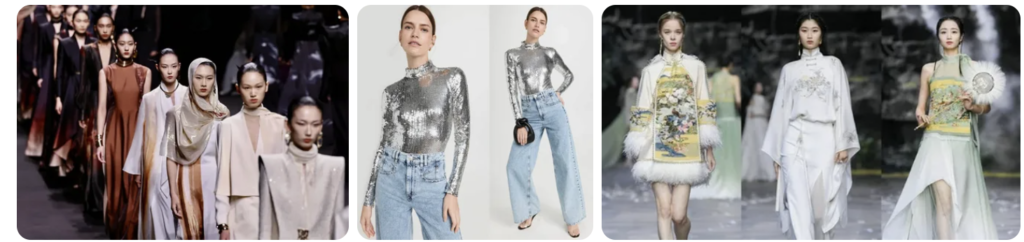
China’s apparel and fashion industry is a giant ecosystem that has grown and evolved dramatically over the past few decades. From humble beginnings as a local textile hub, China has transformed into the world’s largest exporter of clothing, accessories, and fashion-related products.
Cities like Guangzhou, Shenzhen, Yiwu, and Shanghai are central nodes in this massive network, each specializing in different aspects of the industry.
For instance, Guangzhou is famous for ready-made garments and wholesale markets, Shenzhen excels in fast fashion and accessories, Yiwu is known for small commodities and trendy items, while Shanghai leads in high-end fashion and designer collaborations.
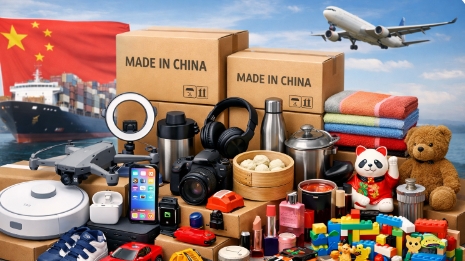
Understanding this industry starts with recognizing the diversity of products available. Chinese factories produce everything from basic T-shirts to intricate embroidered garments, high-fashion handbags, costume jewelry, watches, hats, scarves, and more.
Manufacturers are highly skilled at mass production, but many also cater to niche markets, offering customizable designs and low minimum order quantities (MOQs). For a beginner, this versatility means you can start small while experimenting with product types, styles, and brands before scaling up.
The industry thrives because of its ability to adapt to trends quickly. Chinese manufacturers often monitor global fashion trends, attending international trade shows and importing design concepts to replicate and innovate rapidly.
This speed-to-market advantage allows buyers worldwide to access the latest trends without investing heavily in design or development. For a beginner, this is golden—it means you can sell trendy products without waiting months for new collections.
Benefits of Sourcing from China

Sourcing apparel and fashion accessories from China comes with a range of benefits that make it highly attractive, especially for beginners. One of the most obvious advantages is cost-effectiveness.
Cost-Effectiveness
Chinese manufacturers can produce garments and accessories at significantly lower prices than many other countries due to economies of scale, efficient labor practices, and established supply chains.
This doesn’t mean compromising on quality; with the right supplier, you can find high-quality products at a fraction of the price you’d pay elsewhere.
Variety and Customization Options
Another major benefit is variety and customization options. China’s factories cater to virtually every style, material, and design you can imagine. From streetwear and casual clothing to high-end handbags and costume jewelry, there is no shortage of options.
Many manufacturers also offer customization services, which allows you to add your brand logo, custom tags, or even unique design elements. This is especially useful for beginners who want to establish a brand identity without investing heavily in designing and producing products from scratch.
Fast Production Capabilities
Fast production capabilities are another advantage. Unlike many other manufacturing hubs, Chinese suppliers can quickly adjust to trends, produce small batches, or scale up large orders without excessive delays. This agility is perfect for fashion entrepreneurs who want to capitalize on seasonal trends or viral fashion products. For example, if a certain style becomes popular, you could have products ready to ship in just a few weeks.
Trending Fashion Items
Access to trending fashion items is another reason buyers flock to China. Chinese manufacturers are highly attuned to global fashion trends, attending trade shows, monitoring e-commerce, and quickly replicating popular designs. For beginners, this means you can test trendy products in your local market without taking on massive upfront risks.
Challenges of Sourcing from China

While sourcing apparel and fashion accessories from China offers enormous advantages, it’s not without its challenges—especially for beginners. Understanding these hurdles before placing your first order can save you time, money, and frustration. One of the most common issues is quality control.
مراقبة الجودة
While many factories produce excellent products, others may cut corners, resulting in inconsistent stitching, poor materials, or defects. For beginners, spotting quality issues before bulk orders is critical, which is why requesting samples and inspecting them carefully is a non-negotiable step.
Communication Barriers
Another challenge is communication barriers. Although many Chinese suppliers speak English, misunderstandings can still happen, particularly regarding product specifications, timelines, or shipping details.
Miscommunication can lead to delays, wrong orders, or incorrect product customization. Beginners need to be clear and precise in their messages, use visuals when possible, and confirm details multiple times to avoid mistakes.
Shipping and Logistics
Shipping and logistics complexities are also significant. Importing products from China involves navigating shipping methods, customs clearance, import duties, and delivery timelines. Air freight is fast but costly, while sea freight is cheaper but slower. Miscalculating shipping times or costs can disrupt your business plans and budget, making it essential to plan carefully and work with suppliers who provide clear shipping guidance.
Intellectual Property Concerns
Intellectual property concerns are another challenge. Some manufacturers might unintentionally (or deliberately) copy designs, which can lead to copyright or trademark issues in your home country. Beginners must verify that their designs are protected and communicate clearly with suppliers to avoid any legal troubles.
Volume of Suppliers and Products
Additionally, the sheer volume of suppliers and products can be overwhelming. Without proper research, beginners may fall into scams or deal with unreliable suppliers. Knowing how to verify a supplier’s credibility, checking reviews, and asking for references are all crucial steps.
Despite these challenges, none of them are insurmountable. With careful planning, diligent research, and a proactive approach, beginners can navigate these obstacles successfully. Recognizing potential pitfalls upfront will make your sourcing journey smoother and increase your chances of building a profitable business.
Identifying Reliable Suppliers
Finding a trustworthy supplier is one of the most important steps for anyone sourcing apparel and fashion accessories from China. For beginners, this can feel like searching for a needle in a haystack—there are thousands of factories, trading companies, and individual suppliers, each claiming to offer the best products at the lowest prices. However, with the right approach, you can separate reliable suppliers from the risky ones.
Online platforms are a common starting point. Websites like Alibaba, Made-in-China, and Global Sources host thousands of verified suppliers. Alibaba, for instance, allows you to filter suppliers by “Gold Supplier” status, years of operation, verified business licenses, and customer reviews.
However, it’s important to dig deeper than the surface—check how responsive they are, request detailed product information, and ask for references from previous clients.
Trade shows and exhibitions offer another way to find credible suppliers. Events like the Canton Fair in Guangzhou showcase hundreds of manufacturers in one place, allowing you to inspect products in person and discuss your requirements face-to-face.
For beginners, trade shows are invaluable because you can see the quality of products firsthand and build relationships with manufacturers directly, which is often more reliable than online-only interactions.
Verifying supplier credibility is critical. Look for proof of business licenses, quality certifications (such as ISO or SGS), and years of experience. A supplier with a long history and positive customer reviews is often more trustworthy.
Ask specific questions about production capacity, lead times, and quality control processes. Reliable suppliers will answer these questions confidently and provide supporting documentation.
Red flags to avoid include suppliers who pressure you to pay upfront without proper contracts, offer prices that are far below market rates (which often signals low-quality products), or fail to provide clear product specifications.
Additionally, watch out for suppliers who have inconsistent communication or avoid answering detailed questions—this can lead to misunderstandings or poor-quality shipments.
By carefully researching suppliers, requesting samples, and maintaining clear communication, beginners can minimize risks and establish strong partnerships. The right supplier can make all the difference, ensuring that your products meet quality standards, are delivered on time, and help you build a reputable brand.
Types of Apparel & Fashion Accessories Available

When it comes to sourcing from China, the variety of apparel and fashion accessories available is honestly mind-blowing. If you can imagine it hanging in a store or scrolling past it on Instagram, chances are a factory somewhere in China is already producing it—probably in multiple variations. For beginners, this wide selection is both exciting and a little overwhelming. So let’s break it down in a practical way.
First, there’s clothing for men, women, and children. This includes everything from basic essentials like T-shirts, hoodies, leggings, and denim to more specialized items such as activewear, swimwear, formal dresses, and maternity wear. Many factories specialize in specific niches. For example:
- Sportswear manufacturers focusing on moisture-wicking fabrics
- Streetwear factories offering oversized cuts and graphic prints
- Children’s clothing suppliers emphasizing safety standards
- Boutique-style workshops producing small-batch fashion pieces
Then you have footwear and bags, which are massive categories on their own. From sneakers and sandals to leather handbags and backpacks, Chinese manufacturers offer both budget-friendly and premium options. Cities like Guangzhou are especially known for leather goods and footwear production.
Next comes jewelry and watches—a beginner-friendly category due to relatively low shipping costs and flexible MOQs. You’ll find:
- Stainless steel and alloy fashion jewelry
- Gold-plated and silver accessories
- Smartwatches and minimalist watches
- Hair accessories, clips, and headbands
Finally, there are the often-overlooked but highly profitable fashion accessories: hats, scarves, belts, sunglasses, gloves, and even socks. These items typically have lower production costs and can deliver strong profit margins.
For beginners, the key is not trying to sell everything at once. Think of it like walking into a massive buffet—you don’t pile everything onto your plate. Instead, you choose a niche, test a few products, and build from there. The diversity of options in China allows you to experiment strategically, refine your brand identity, and scale with confidence.
Understanding Product Quality & Standards
Let’s be honest—quality can make or break your business. You might find the perfect design at the perfect price, but if the stitching falls apart after one wash, customers won’t come back. That’s why understanding product quality standards is essential when sourcing apparel and fashion accessories from China.
Start with materials and fabric types. Different fabrics dramatically impact product feel, durability, and price. For clothing, common materials include:
- Cotton (breathable and soft)
- Polyester (durable and wrinkle-resistant)
- Spandex (stretch and flexibility)
- Blends (cost-effective and versatile)
Always ask suppliers for fabric composition percentages. A “cotton shirt” might actually be a 60/40 blend. If your target audience values sustainability, you might also explore organic cotton or recycled fabrics.
Next comes stitching and craftsmanship. Look closely at sample products. Are seams straight? Are threads loose? Is the zipper smooth? These small details speak volumes about factory standards. Examine inside seams, not just the outside appearance. Think of it like checking the foundation of a house—you don’t want hidden cracks.
For accessories like jewelry or bags, check plating thickness, clasp strength, and overall finish. Scratches, discoloration, or weak hardware are red flags.
Then there’s compliance with international safety standards. If you’re importing into the U.S. or Europe, certain products—especially children’s clothing—must meet safety regulations. This may include:
- CPSIA compliance (U.S.)
- CE marking (Europe)
- Testing for harmful chemicals
Ask suppliers whether they can provide test reports from recognized labs like SGS or Intertek.
Quality control doesn’t stop at samples. Consider third-party inspections before shipment, especially for large orders. Spending a few hundred dollars on inspection can save thousands in losses.
For beginners, the golden rule is simple: never skip sampling, never assume quality, and never rely solely on photos. Treat quality checks like a safety net. It might seem like extra effort, but it protects your brand reputation from day one.
Placing Your First Order
Placing your first order from China can feel like a big leap. It’s exciting, yes—but also nerve-wracking. You’re wiring money overseas, trusting a supplier you may have never met in person, and hoping everything arrives exactly as promised. The good news? With the right steps, you can minimize risk and move forward confidently.
First, always request samples. Think of samples as your dress rehearsal before the big show. Evaluate fabric quality, sizing accuracy, color consistency, and overall finish. If something feels off, speak up. This is the time to refine details, not after 500 units are already produced.
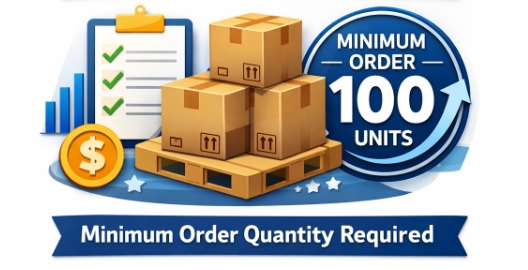
Next, understand Minimum Order Quantities (MOQs). Many suppliers set MOQs to keep production efficient. For beginners, high MOQs can feel intimidating. Don’t hesitate to negotiate. Some factories are willing to lower MOQs for first-time buyers, especially if they see long-term potential.
When it comes to negotiating prices and payment terms, approach it professionally. Ask for a breakdown of costs, including packaging and labeling. Common payment terms include:
- 30% deposit upfront
- 70% balance before shipment
Use secure payment methods such as Trade Assurance (on Alibaba), PayPal (for small orders), or a letter of credit for larger transactions. Avoid sending full payments via risky methods without buyer protection.
Be clear about production timelines. Ask:
- How many days for production?
- How long for shipping?
- What happens if there’s a delay?
Put everything in writing. A simple purchase agreement outlining specifications, delivery dates, and quality standards can prevent disputes later.
Finally, start small. Your first order is about testing—not maximizing profit. Think of it as planting seeds. Monitor customer feedback, track product performance, and refine your approach before scaling up.
Taking that first step may feel intimidating, but every successful fashion entrepreneur started exactly where you are—placing that first order and learning along the way.
Conclusion
Sourcing apparel and fashion accessories from China as a beginner might seem like stepping into a massive, fast-moving marketplace—and honestly, that’s exactly what it is. But here’s the thing: it’s not chaos. It’s opportunity. When you understand how the system works, who the key players are, and what steps to take before placing an order, the process becomes structured, manageable, and even exciting.
Throughout this guide, we’ve walked through the essentials: understanding China’s apparel ecosystem, identifying reliable suppliers, evaluating product quality, managing shipping logistics, and placing your first order with confidence. Each of these steps acts like a building block. Skip one, and the structure weakens. Follow them carefully, and you create a solid foundation for a profitable fashion business.
For beginners, the biggest advantage you have is flexibility. You don’t need massive inventory. You don’t need a warehouse full of products. You can start small, test designs, analyze customer feedback, and refine your niche. China’s manufacturing system allows you to scale gradually—almost like turning up a volume knob rather than flipping an on/off switch.
Yes, there will be learning curves. Maybe a shipment arrives later than expected. Maybe a sample doesn’t match your vision. But every order teaches you something valuable. Over time, you’ll develop supplier relationships, sharpen your negotiation skills, and understand your market more clearly.
Think of sourcing from China not as a one-time transaction but as a long-term strategy. Build trust with suppliers. Prioritize quality over the cheapest price. Stay updated with trends. Protect your brand. When you approach it strategically, you’re not just buying products—you’re building a fashion business with global reach.
If you’ve been waiting for the “right time” to start, this is it. Start small. Stay smart. Grow steadily.
FAQs نبذة عن Apparel and Fashion Accessories from China

1. Is it safe to buy apparel and fashion accessories from China?
Yes, it can be very safe—if you take the right precautions. The key is working with verified suppliers, requesting samples, and using secure payment methods such as Trade Assurance or letters of credit. Many global fashion brands manufacture in China, which shows that safety and quality are achievable. The risks usually come from rushing the process, skipping supplier verification, or choosing the cheapest option without checking credibility. Always research, communicate clearly, and confirm product specifications in writing.
2. What is the best platform to find Chinese fashion suppliers?
For beginners, Alibaba is often the easiest starting point because it offers supplier verification tools and buyer protection options. Other platforms like Made-in-China and Global Sources are also reputable. If possible, attending trade shows like the Canton Fair provides an even stronger advantage because you can inspect products and meet suppliers face-to-face. The best platform ultimately depends on your product niche and order size, but starting with established marketplaces is usually the safest route.
3. How much money should I budget for my first order?
Your budget depends on product type, MOQ, and shipping method. However, many beginners start with a few hundred to a few thousand dollars. Remember to calculate the full landed cost, which includes product price, shipping fees, customs duties, packaging, and inspection costs. It’s wise to start with a smaller test order rather than investing your entire budget upfront. Think of your first order as market research with profit potential.
4. Can I customize products with my own brand and logo?
Absolutely. Many Chinese manufacturers offer private labeling services, including custom tags, packaging, embroidery, screen printing, and logo stamping. Some even provide design assistance. Be clear about your branding requirements from the beginning and request digital mockups or pre-production samples before full manufacturing begins. Customization may slightly increase costs, but it significantly strengthens your brand identity and long-term profitability.
5. How long does shipping from China usually take?
Shipping time depends on the method you choose. Express shipping (DHL, FedEx, UPS) typically takes 3–7 days but is more expensive. Air freight usually takes 7–15 days. Sea freight is the most cost-effective for bulk orders but can take 20–45 days depending on destination and customs clearance. Always factor in production time before shipping. Planning ahead prevents inventory shortages and keeps your business running smoothly.