10 Best Products to Import from China in 2026
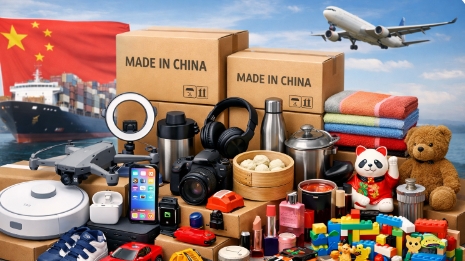
In recent years, China has firmly established itself as the global manufacturing hub, exporting a wide range of products to countries around the world.
With its robust supply chain infrastructure, technological innovations, and competitive pricing, China remains a prime source for businesses seeking to import products that are in demand.
As we look toward 2026, emerging trends in consumer preferences, technology, and sustainability will shape the types of products that are most profitable to import.
From electronic gadgets to renewable energy equipment, the opportunities for businesses to import products from China are vast.
This article explores ten products that are expected to see increased demand in 2026 and beyond, helping entrepreneurs and businesses stay ahead of the curve in a rapidly evolving global market.
Table of contents
1. Electric Vehicles (EVs) and EV Components
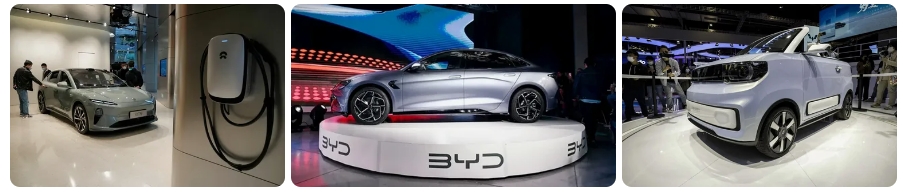
The global push for sustainable energy solutions and the growing awareness of environmental issues are driving the demand for electric vehicles (EVs). By 2026, the EV market is expected to experience exponential growth. China is already a dominant player in the EV industry, both in terms of production and the supply of EV components.
Why Import EVs and EV Components from China?
- Technology Advancements: Chinese manufacturers are at the forefront of EV innovation, producing vehicles with longer battery life, advanced autonomous driving features, and lower manufacturing costs.
- Government Support: The Chinese government has implemented favorable policies and subsidies to promote electric vehicle production, making it more cost-effective for international buyers.
- Diverse Product Range: From complete electric vehicles to individual components like lithium batteries, chargers, and electric motors, China offers a wide variety of EV-related products suitable for different markets.
Key Products to Import:
- Electric Cars: Many Chinese companies, such as BYD, NIO, and Xpeng, are producing high-quality electric vehicles that are becoming increasingly popular in global markets.
- EV Charging Stations: With the growth of electric vehicles, there will be a surge in demand for home and public EV charging stations.
- Batteries and Charging Modules: Lithium-ion batteries, battery management systems (BMS), and charging equipment are crucial components for the growing EV sector.
2. Solar Panels and Renewable Energy Equipment

Renewable energy is becoming a central focus for countries striving to meet climate goals and reduce reliance on fossil fuels. China, as the world’s largest producer of solar panels, is poised to continue its leadership in the renewable energy sector by 2026. See also our guide on shipping from China: a complete guide for importers.
Why Import Solar Panels and Renewable Energy Equipment from China?
- Global Demand for Clean Energy: Governments around the world are investing heavily in renewable energy infrastructure, creating a growing demand for high-quality, affordable solar panels and related equipment.
- Cost-Effectiveness: China’s scale of production allows it to offer solar products at highly competitive prices without compromising on quality.
- Technological Innovation: Chinese companies are investing heavily in research and development to improve the efficiency and longevity of solar panels and related products.
Key Products to Import:
- Solar Panels: China’s top manufacturers, such as Longi Solar, Jinko Solar, and Trina Solar, produce highly efficient solar panels that are suitable for residential, commercial, and industrial use.
- Solar Inverters: These are essential for converting the direct current (DC) electricity generated by solar panels into alternating current (AC) electricity.
- Solar Batteries and Storage Solutions: With energy storage solutions being a crucial component of renewable energy, importing solar batteries can be a lucrative opportunity.
3. Smart Home Devices
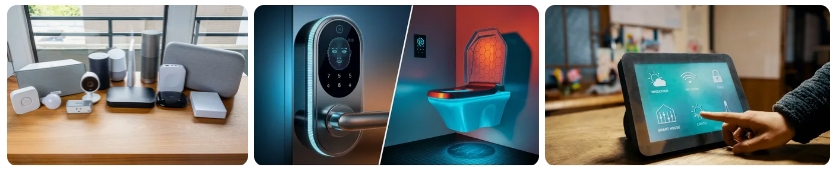
Smart home technology is gaining popularity as consumers increasingly look for ways to improve their home security, energy efficiency, and convenience. By 2026, the smart home market is expected to grow significantly.
Why Import Smart Home Devices from China?
- Cutting-Edge Technology: Chinese manufacturers are leading the development of AI-powered home automation systems, smart appliances, and other connected devices.
- Affordability: China is home to numerous companies that produce smart home devices at a fraction of the cost of Western counterparts, making them attractive for importers.
- Variety of Products: Whether it’s smart speakers, thermostats, lighting systems, or security cameras, there’s an extensive range of products for every niche in the smart home market.
Key Products to Import:
- Smart Speakers: Devices like Amazon Echo or Google Home have become household staples, and Chinese manufacturers such as Xiaomi and Alibaba are producing high-quality, affordable alternatives.
- Smart Security Systems: This includes smart cameras, doorbells, and locks that can be monitored remotely.
- Smart Appliances: Products like smart refrigerators, ovens, and washing machines are gaining traction in the market due to their ability to automate tasks and save energy.
4. Drones and UAVs
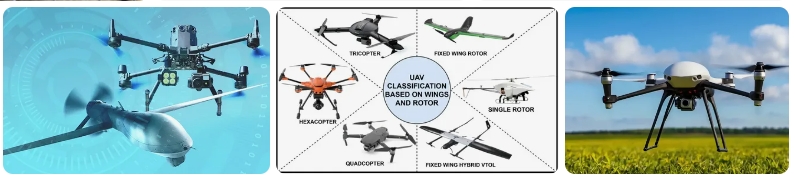
Unmanned Aerial Vehicles (UAVs), commonly known as drones, are increasingly being used across a variety of industries, from agriculture to film production to logistics. By 2026, the demand for drones is expected to soar.
Why Import Drones and UAVs from China?
- Industry Leadership: Chinese companies like DJI dominate the global drone market, providing a wide range of high-quality drones for both recreational and commercial use.
- Technological Advancements: Chinese drone manufacturers are at the cutting edge of drone technology, offering high-performance cameras, longer battery life, and enhanced flight stability.
- Diverse Use Cases: Drones are used in a variety of industries including agriculture (crop monitoring), film production (aerial shots), and even logistics (delivery drones).
Key Products to Import:
- Consumer Drones: For recreational and professional use, drones with high-definition cameras and advanced flight features are in demand.
- Industrial Drones: These are designed for commercial applications such as surveying, mapping, and infrastructure inspections.
- Drone Accessories: Batteries, propellers, and camera modules are essential accessories that will continue to see growing demand.
5. Wearable Technology

Wearable technology, particularly health-related devices, is experiencing explosive growth. The global market for wearables is expected to expand rapidly in the next few years, with China playing a central role in the manufacturing of these devices.
Why Import Wearable Technology from China?
- Technological Advancements: China has numerous companies developing cutting-edge wearable devices, from fitness trackers to smartwatches and health-monitoring gadgets.
- Consumer Demand: As consumers become more health-conscious and tech-savvy, the demand for wearable tech, especially those focused on fitness and health monitoring, will increase.
- Cost-Effectiveness: Many Chinese brands offer high-quality wearables at more competitive prices than Western brands, which makes them attractive for importers.
Key Products to Import:
- Smartwatches: Devices like the Apple Watch have proven the success of the smartwatch industry, and Chinese manufacturers such as Huami (Amazfit) and TicWatch are producing excellent alternatives.
- Fitness Trackers: Wearables like Fitbit and Xiaomi’s Mi Band are designed to track physical activity, sleep patterns, and heart rate.
- Health Monitoring Devices: These include blood pressure monitors, glucose level monitors, and other medical devices that can sync with mobile apps.
6. Mobile Phones and Accessories

Mobile phones are one of the most commonly imported products from China, and this trend is expected to continue through 2026. Chinese companies such as Huawei, Xiaomi, and Oppo have become major players in the global smartphone market.
Why Import Mobile Phones and Accessories from China?
- Innovation and Quality: Chinese phone manufacturers are leading the charge in terms of innovative features, such as foldable screens, AI-powered cameras, and high-quality displays.
- Affordability: Chinese phones often come at a fraction of the price of their Western counterparts, making them attractive to consumers looking for budget-friendly yet high-quality devices.
- High Demand for Accessories: Along with smartphones, there’s a growing market for phone accessories such as cases, screen protectors, wireless chargers, and Bluetooth earbuds.
Key Products to Import:
- Smartphones: Brands like Xiaomi, Realme, and OnePlus offer high-quality smartphones at competitive prices.
- Phone Accessories: Items such as power banks, wireless chargers, earphones, and protective cases are in constant demand.
- Mobile Parts: Importing mobile phone components like batteries, screens, and motherboards can also be a profitable venture.
7. Health and Wellness Products

The global demand for health and wellness products, including supplements, fitness equipment, and personal care items, is rapidly increasing. China is one of the leading suppliers of these products. For a detailed breakdown, see our guide on how to avoid common China import scams. See also our guide on China supplier red flags and warning signs.
Why Import Health and Wellness Products from China?
- Growing Consumer Interest: The global focus on health and fitness is driving demand for wellness products, especially those related to fitness and dietary supplements.
- Wide Product Range: China manufactures a vast range of health-related products, from vitamins to fitness equipment, all at affordable prices.
- Innovation in Personal Care: Chinese manufacturers are increasingly focusing on sustainable, organic, and innovative personal care products.
Key Products to Import:
- Fitness Equipment: Items like resistance bands, yoga mats, and compact home gym equipment are in demand.
- Dietary Supplements: China produces a wide range of affordable supplements, including vitamins, minerals, and herbal remedies.
- Skincare and Beauty Products: China is a major producer of skincare products, with a growing focus on natural and eco-friendly ingredients.
8. Toys and Educational Products

The global demand for educational toys and games is expected to grow, driven by an increasing focus on early childhood development and STEM education. China is one of the leading manufacturers of toys and educational products.
Why Import Toys and Educational Products from China?
- Large Production Capacity: Chinese toy manufacturers have the capacity to produce millions of units to meet global demand.
- Innovative Designs: Many Chinese manufacturers are creating toys that combine fun with learning, focusing on STEM (Science, Technology, Engineering, and Math) skills.
- Competitive Pricing: China’s ability to produce high-quality yet affordable educational products makes it an attractive market for importers.
Key Products to Import:
- STEM Toys: Toys that encourage learning in science, technology, engineering, and math are becoming increasingly popular.
- Interactive Games: Board games, puzzles, and interactive learning tools are in demand for educational purposes.
- Toys for Children of All Ages: Ranging from infant toys to toys for older children, there’s a wide variety of products in this category.
9. Fashion and Apparel

Fashion is a highly competitive and rapidly evolving industry. By 2026, China will remain a dominant player in the global fashion market, exporting a wide range of clothing and accessories.
Why Import Fashion and Apparel from China?
- Cost-Effective Manufacturing: China’s textile industry benefits from low labor costs, allowing for the production of fashion items at affordable prices.
- Variety and Trends: Chinese manufacturers are quick to adapt to changing fashion trends, making it possible to import trendy apparel at a competitive price.
- Focus on Sustainable Fashion: There is increasing demand for eco-friendly, sustainable clothing, and China’s manufacturers are beginning to meet this demand with organic materials and sustainable production practices.
Key Products to Import:
- Clothing: China produces a wide range of clothing, from basic t-shirts and dresses to high-end fashion.
- Accessories: Items like bags, scarves, and jewelry are also in demand, particularly for trendy fashion markets.
- Sustainable Fashion: Eco-friendly, organic, and upcycled clothing are gaining popularity, and China’s textile industry is responding to this demand.
10. Furniture and Home Décor

As global urbanization continues, the demand for stylish, functional furniture and home décor is on the rise. China is one of the largest producers of furniture, and the market for home goods is expected to continue expanding by 2026.
Why Import Furniture and Home Décor from China?
- Affordable Pricing: China’s furniture manufacturers offer competitive prices, making it an attractive market for importers.
- Innovative Designs: Chinese manufacturers are offering innovative and customizable furniture options, catering to modern and minimalist trends.
- Wide Range of Products: From high-end furniture to more affordable options, the variety of products available in China is vast.
Key Products to Import:
- الأثاث: From living room furniture to office furniture, China manufactures a broad range of home furnishings.
- Home Décor: Decorative items such as wall art, rugs, and lighting fixtures are also in demand.
- Outdoor Furniture: As the demand for outdoor living spaces increases, importing outdoor furniture like patio sets and garden chairs presents a lucrative opportunity.
The import market from China in 2026 will be shaped by a variety of factors, including technological innovations, sustainability trends, and shifting consumer preferences. The products listed above represent a diverse range of opportunities for businesses looking to capitalize on the latest global trends.
By strategically selecting products that are in high demand and offer good profit margins, importers can position themselves for success in the coming years.
In conclusion, the future of global trade will continue to be influenced by China’s manufacturing prowess. From electric vehicles to renewable energy solutions and smart home devices, the opportunities for businesses to import from China in 2026 are plentiful. Entrepreneurs who tap into these growing sectors will find themselves ahead of the curve in a competitive market.
Frequently Asked Questions (FAQs) About 10 Best Products to Import from China

1. Why is China such a dominant player in global manufacturing?
China has become a manufacturing powerhouse due to several factors:
- Cost Advantage: China has a competitive edge in labor costs and economies of scale.
- Infrastructure: The country has developed advanced logistics, ports, and transportation networks, enabling efficient production and distribution.
- Government Support: The Chinese government heavily invests in manufacturing technologies and offers incentives for companies in sectors like electronics, renewable energy, and EV production.
- Skilled Workforce: Over the years, China has developed a highly skilled labor force proficient in various manufacturing sectors, especially technology and electronics.
2. What are the best ways to find reliable suppliers in China?
When importing from China, it is crucial to find trustworthy suppliers to ensure product quality. Here are a few methods:
- Online Marketplaces: Websites like Alibaba, Global Sources, and Made-in-China allow you to connect with a wide range of suppliers. Always check reviews, certifications, and supplier ratings.
- Trade Shows: Attending trade shows such as the Canton Fair gives you the chance to meet suppliers in person, inspect products, and build relationships.
- Third-Party Inspections: Hire third-party inspection companies like SGS or Intertek to verify product quality before shipping.
- Supplier Verification: Make sure to perform due diligence, checking company backgrounds and ensuring that they have the necessary certifications (such as ISO or CE certifications).
3. How do I ensure product quality when importing from China?
Ensuring product quality involves: See also our guide on IRAM certification requirements for Argentina.
- Clear Communication: Define your product specifications clearly before production begins, and agree on quality standards.
- Sample Orders: Always order samples before making bulk purchases to check quality firsthand.
- Third-Party Inspections: Consider using an independent inspection agency to inspect products during production or before shipping.
- Contractual Agreements: Draft contracts that specify quality control measures and penalties for defects or delays.
4. What are the most common challenges when importing from China?
Some of the challenges include:
- مراقبة الجودة: Ensuring that products meet your standards, especially with mass production.
- Language and Cultural Barriers: Miscommunication can occur if you don’t have a clear understanding of local customs or speak the language. Hiring a translator or working with a local partner can help.
- Customs and Tariffs: Importing goods into your country involves compliance with customs laws, duties, and taxes, which can be confusing and costly.
- Shipping and Delivery Delays: Long shipping times and potential delays can affect your business operations. Consider working with reliable logistics providers.
5. What should I know about import duties and taxes when bringing products from China?
Import duties and taxes vary depending on:
- فئة المنتج: Different products may be subject to different rates of duty, and some may be exempt. For example, electronics may have higher duties than textiles.
- Country-Specific Regulations: Each country has its own tariff and tax system. It’s important to research or consult with a customs broker to understand the specific rates and regulations for your destination.
- Incoterms: The term “Incoterms” (International Commercial Terms) will help you understand whether the supplier or importer is responsible for shipping costs, insurance, and other fees.
6. How do I manage shipping logistics and avoid delays?
To avoid shipping delays, you should:
- Choose Reliable Freight Forwarders: Work with trusted logistics providers who can help with the entire shipping process, from freight management to customs clearance.
- Track Shipments: Use tracking services to monitor your goods as they move through different stages of shipping.
- Consider Different Shipping Methods: Depending on your product’s urgency, consider using air freight for faster delivery or sea freight for larger volumes.
- Plan Ahead: Factor in potential delays, especially during peak seasons like Chinese New Year or other holidays when factories may shut down.